
Tadalafil May Raise Glaucoma Risk, Study Finds
A new study in the British Journal of Ophthalmology links regular tadalafil use to a slightly higher glaucoma risk, though experts stress the absolute risk remains low and advise routine eye monitoring
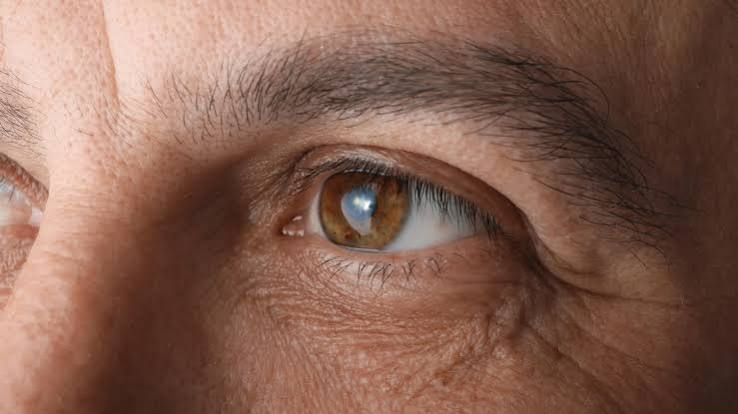
A new observational study published in the *British Journal of Ophthalmology* has identified a potential link between the regular, long-term use of tadalafil and a slightly increased risk of developing glaucoma, a leading cause of irreversible vision loss worldwide. However, researchers and medical experts are quick to emphasize that the absolute risk remains very low, and the findings do not suggest that occasional use of the medication leads to blindness.
Tadalafil, widely recognized under the brand name Cialis, belongs to a class of medications known as phosphodiesterase type 5 (PDE5) inhibitors. It is commonly prescribed to treat erectile dysfunction and urinary symptoms associated with benign prostatic hyperplasia (enlarged prostate). Sildenafil (Viagra) is another well-known drug in this same pharmacological class.
To investigate the potential ocular side effects of long-term use, researchers conducted a comprehensive retrospective analysis using anonymized health records from the TriNetX Analytics Network. The study cohort included 36,927 men aged 40 years and older who had no prior diagnosis of glaucoma but had been prescribed tadalafil regularly for a minimum of three months.
For rigorous comparison, the researchers matched these patients with an equal number of men (36,927) who had never used PDE5 inhibitors. The control group was carefully matched for critical confounding variables, including age, smoking status, pre-existing health conditions, and the use of other medications. The health records of both groups were then tracked for a period of up to five years.
The findings revealed that glaucoma was diagnosed in 3.93 percent of the tadalafil users during the five-year observation period, compared to 3.16 percent among the non-users. Statistically, this represents a 22 percent increase in relative risk. However, medical statisticians and the study authors stress the importance of interpreting this figure in context: the absolute difference in risk is less than one percentage point. In practical terms, this equates to approximately 77 additional cases of glaucoma for every 10,000 men taking the medication. Crucially, the vast majority of men in both groups did not develop the condition.
While the study establishes a correlation, it does not prove causation. Researchers have proposed plausible biological mechanisms for the association. The PDE5 enzyme, which tadalafil is designed to inhibit, is not exclusively located in tissues governing erectile and urinary function. It is also present in the retina, ocular blood vessels, the optic nerve, and the structures responsible for producing and draining eye fluid.
One prevailing hypothesis is that tadalafil may influence ocular blood flow or alter the dynamics of aqueous humour—the clear fluid in the front of the eye—potentially affecting intraocular pressure, a primary risk factor for glaucoma. However, the researchers noted that the biological effects are highly complex; the drug could theoretically promote fluid drainage as well, meaning the precise pathophysiological mechanism remains uncertain and requires further investigation.
The authors were also careful to outline the inherent limitations of their research. As an observational study, it relies on retrospective medical diagnosis codes rather than direct, prospective clinical measurements of participants’ eye pressure, visual fields, or optic nerve health. Furthermore, the dataset could not establish the exact dosages taken by individual patients or calculate their cumulative lifetime exposure to tadalafil. Researchers also acknowledged the possibility of "detection bias": men who regularly take prescription medications may have more frequent contact with healthcare services, thereby increasing the likelihood that asymptomatic glaucoma is detected during routine check-ups.
In light of these findings, medical experts are advising a measured, informed approach rather than alarm. Health professionals strongly caution that patients should not discontinue prescribed tadalafil without consulting their doctors, as the medication provides significant quality-of-life benefits for many.
Instead, the study serves as a prompt for proactive healthcare. Experts suggest that regular users of PDE5 inhibitors—particularly those with pre-existing risk factors such as elevated eye pressure, severe short-sightedness (myopia), a family history of glaucoma, or advancing age—should discuss appropriate, routine eye monitoring with their healthcare providers. Regular comprehensive eye exams remain the most effective defense against vision loss, ensuring that any potential complications are identified and managed early.
Sponsored

Related stories
 Health
Borno Hires 2,000 Health Workers, Still Faces Staff Shortage
Borno State has recruited nearly 2,000 doctors, nurses and other health professionals in two years, but the head of its contributory health agency says manpower gaps persist as demand grows under the state health insurance scheme.
 Health
Lassa Fever Kills 268 in Nigeria as Cases Hit 1,138
Nigeria has recorded 1,138 confirmed Lassa fever cases and 268 deaths across 24 states in 2026, with the case fatality rate rising to 23.6 per cent—significantly higher than the 18.6 per cent recorded during the same period in 2025. The NCDC has identified five states accounting for 88 per cent of all confirmed cases, as it intensifies preparedness efforts ahead of the peak transmission season.
 Health
MSF Calls for Routine Noma Surveillance in Nigeria
Doctors Without Borders says noma, a fast-moving and often fatal facial infection linked to malnutrition and poverty, remains largely missing from Nigeria's routine child health programmes despite its 2023 recognition as a neglected tropical disease.
 Health
Oyo Rejects Diphtheria Outbreak Claims, Accuses APC
The Oyo State Government has dismissed claims by the Senator Sharafadeen Alli Campaign Organisation that diphtheria has affected 16 local government areas, describing the allegation as false and politically motivated. Commissioner for Health Dr. Oluwaserimi Ajetunmobi confirmed that while suspected cases have been recorded in 10 LGAs, none have been confirmed, and accused the APC campaign group of distorting immunisation data to score political points.
Comments (0)
Leave a comment
All comments are moderated before publishing. Your email is never published.