
From the Diaspora to the Hometown: How Nigerians Abroad Can Join GNA, Onboard Their Local Governments and Lead the Transformation of Their Communities
Nigerians in the diaspora can drive hometown transformation through GNA membership, leadership, professional expertise, CCR sponsorship and structured Local Government development.
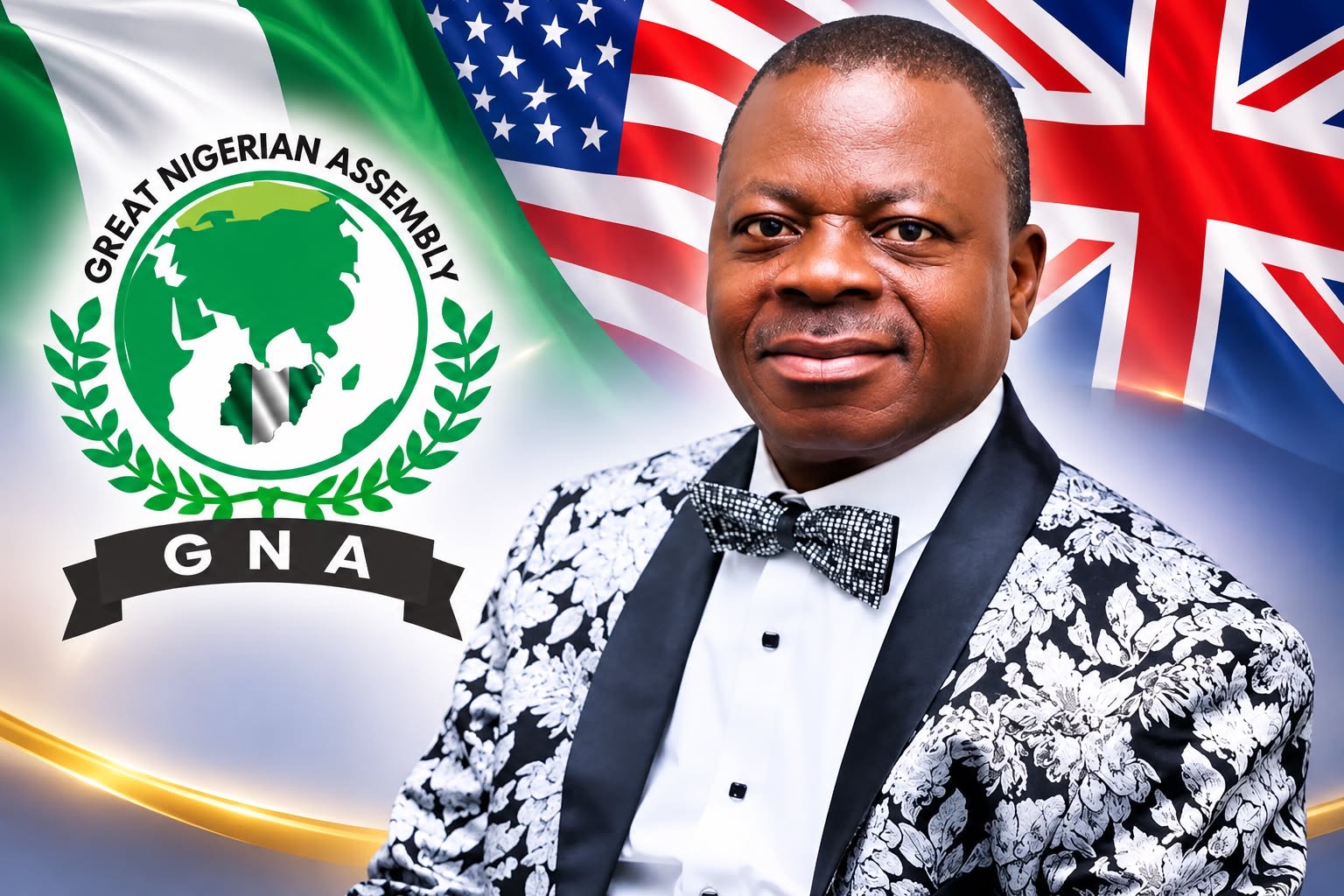
By Dr. Kayode Elusoji
Today, I write to my own people: Nigerians in the diaspora. I write as one of you.
I built my career in Lagos. In 1996, I founded Computer Powerhouse International and spent twenty years building a company that provided world-class IT services to global organisations. Circumstances later forced my relocation to the United States. CPI came with me. While maintaining its presence and operations in Nigeria, it was also registered in the United States as CPI Technologies Inc., the company that today powers GNA’s operations.
I know what it feels like to arrive in a new country while your heart remains at home. I know the late-night calls, the WhatsApp appeals for hospital bills and school fees, and the hometown meetings where we raise money with great love, only to wonder months later what became of our contributions.
I also understand the frustration of wanting to do more but not knowing how. That frustration led a group of us to establish the Nigeria Diaspora Foundation on November 10, 2018. We had the skills, networks and goodwill. What we lacked was a structure. Today, through the Great Nigerian Assembly and the GNA Coverage Area Administrator (CAA) Governance Model, that structure exists. I want to show you exactly where you fit into it.
“You do not have to relocate to Nigeria to take an active part in transforming your hometown.”
The diaspora must become an active partner
Nigerians abroad have distinguished themselves in medicine, engineering, education, technology, finance, agriculture and research. We send money to relatives, fund scholarships and respond generously to appeals. These efforts are commendable. Yet, countless communities continue to struggle with deteriorating infrastructure, inadequate healthcare and limited opportunities.
The problem has rarely been a lack of love. It has been the absence of a structured, transparent and sustainable framework through which we can participate directly in community development.
The GNA CAA Governance Model offers something beyond the opportunity to donate. It invites you to become a member of GNA, take up leadership roles in your Local Government, contribute your professional expertise, sponsor young people and help coordinate and monitor meaningful interventions.
Joining GNA is not simply joining another association. It is becoming part of an organised movement committed to practical community transformation.
1. Join the Great Nigerian Assembly
The first step is membership.
GNA is non-political, non-governmental, non-religious, not-for-profit and people-driven. By joining, you become part of an international network working towards one objective: improving lives across Nigeria’s 774 Local Government Areas.
Membership provides access to structured participation, subject to GNA’s eligibility requirements and governance procedures.
2. Help onboard your Local Government
This is one of the most impactful contributions a diaspora association can make.
A hometown association in London can mobilise its members to bring their Local Government onto the Model. A township organisation in Chicago can work with community leaders at home to establish the necessary structures. A group of professionals in Canada can sponsor the training and certification of young people from their Local Government.
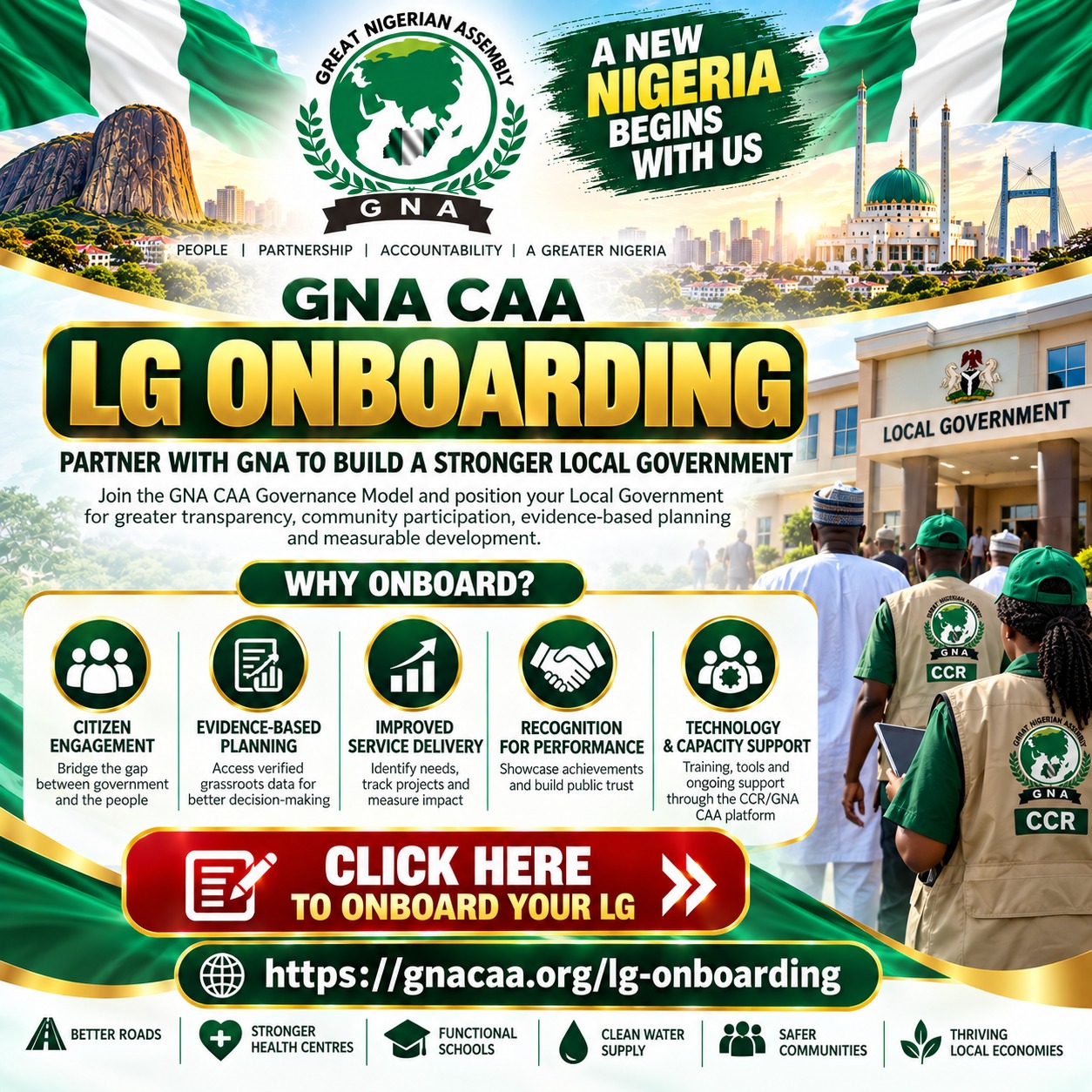
Onboarding goes beyond registering the name of a Local Government. It involves mobilising committed individuals, establishing governance structures, identifying qualified committee members, training and certifying Certified Citizen Reporters (CCRs), and preparing the Local Government to document and respond to community needs through the Digital Platform.
The objective is to establish a functioning civic development structure, not merely to add a Local Government’s name to a list.
3. Serve in Local Government leadership
Nigerians abroad are not restricted to the role of financial contributors. Qualified diaspora members can be considered for leadership and advisory positions, including:
- The Local Government CAA Committee: The central coordinating body, comprising seven members and expandable to nine, responsible for leading implementation, stakeholder engagement and reporting oversight within the Local Government.
- The Local Government Advisory Council: A body of experienced professionals and community leaders providing strategic guidance, expertise and valuable connections. A retired professor can advise on education, a healthcare executive on community health, an engineer on infrastructure, and a business leader on partnerships.
- Other governance bodies: These include Ward Management, the Local Government Pacesetter Committee, which recognises verified contributions, the Conflict Resolution Committee, and approved development funding, media and professional initiatives.
All appointments are subject to GNA’s non-partisan principles, integrity requirements and approval procedures. Some responsibilities, particularly those involving ward management, require regular physical presence. Diaspora members can therefore work alongside residents and locally based representatives to ensure effective coordination.
4. Bring your profession to a Special Development Committee
The Special Development Committees (SDCs) provide an opportunity to connect professional expertise with community needs. There are five committees:
- Infrastructure Development: Engineers, architects, builders and urban planners can advise on roads, drainage, water supply, schools and public facilities.
- Health Development: Doctors, nurses, pharmacists, researchers and health administrators can support improved healthcare access, training and professional partnerships.
- Agriculture and Food Security: Agronomists, food scientists and agribusiness investors can contribute to initiatives supporting farmers, food production and agricultural development.
- Youth Empowerment and Education: Educators, technologists, entrepreneurs and mentors can support skills development, training and the One Million Youth project.
- Security and Community Safety: Professionals in risk management, emergency preparedness, cybersecurity and public safety can contribute to prevention strategies and community awareness. This committee does not exercise police or law-enforcement powers.
Your professional knowledge and experience can become valuable resources for addressing challenges in your hometown.
5. Sponsor Certified Citizen Reporters: The foundation of onboarding
If you remember only one thing from this article, let it be this: no Local Government can be approved for operational onboarding without an adequate number of trained and certified CCRs on the ground.
The CAA Committee provides leadership. The Advisory Council provides guidance. The SDCs contribute professional expertise. But CCRs are responsible for continuously identifying and documenting the conditions of roads, schools, healthcare facilities and water infrastructure, bringing verified community needs to the attention of Responsible Parties.
CCRs are not government agents, police officers, judges or political operatives. Their responsibility is to document community needs objectively and help make constructive interventions possible.
Without CCRs, the Model risks becoming another administrative structure. With them, it becomes a living community development network.
On October 24, 2026, I watched our first 30 CCRs from Ife Central and Ife East take their places at the inauguration of the Model, with the royal blessing of His Imperial Majesty, the Ooni of Ife. I saw in those young people what every Local Government in Nigeria could have. Now, I am asking every diaspora association to give that same opportunity to its own Local Government.
The journey towards one million Certified Citizen Reporters has already begun. GNA’s ten-year goal is to train and certify one million young Nigerians as CCRs across all 774 Local Government Areas.
The training covers civic foundations, field documentation, ethics, infrastructure grading, digital reporting, verification and digital journalism, with certification through the i3Cert examination framework.
From there, qualified participants can progress into pathways in artificial intelligence, data, cybersecurity, agriculture and healthcare.
Our young people should not have to leave the country to find a future. With your support, they can build that future at home.
6. Register your association as a Responsible Party
Many diaspora associations, township organisations and professional bodies are already making meaningful contributions to Nigeria. They build classrooms, equip clinics, fund scholarships and organise medical missions.
Too often, however, these efforts are recorded only through a few photographs on social media, with little documentation of their long-term impact. Within a year, much of that record may be forgotten.
Under the Model, your association, township organisation or professional body can register on the GNA CAA Platform as a Non-Statutory Responsible Party (RP).
Once registered, interventions carried out in response to documented community needs can be verified and tracked. Every completed and verified project is credited to your Record of Performance (RoP), creating a permanent, factual record of your contributions and giving your organisation global recognition for the difference it makes at home.
“Good work done in silence deserves to be seen. Registration turns your association’s love for home into a verified record the whole world can recognise.”
Ten steps to onboard your Local Government
- Join GNA. Register as a member and familiarise yourself with the mission, governance principles and CAA framework.
- Choose your Local Government. Identify the Local Government you intend to support and contact the GNA onboarding team.
- Mobilise stakeholders. Bring together committed professionals, community leaders and young people both at home and abroad.
- Establish the governance structures. Support the selection of eligible members for the CAA Committee, Advisory Council and SDCs, following GNA’s approval procedures.
- Recruit and sponsor CCR candidates. Identify young people willing to undertake the training, ensuring adequate coverage across wards and communities.
- Complete CCR training and certification. Support the selected candidates through the approved training programme and certification examination.
- Complete platform onboarding and approval. Fulfil the requirements for verification, committee approval, CCR readiness and platform activation.
- Begin documenting community needs. Certified CCRs start recording infrastructure conditions and identifying community needs on the Platform.
- Mobilise development partners. Work with the CAA structures to engage Statutory and Non-Statutory Responsible Parties.
- Monitor and sustain progress. Follow up on projects, support youth participation and promote transparent reporting. This is a lasting structure, not a one-off registration exercise.
From scattered donations to structured ownership
Many of us contribute substantial personal resources to family and community needs. However, uncoordinated giving rarely produces lasting, community-wide results.
The Model encourages a more effective approach: identify needs through evidence, review proposed interventions, engage qualified implementers and monitor outcomes.
The Local Government Global Development Fund framework is designed to support properly governed contributions, with transparency, documented expenditure, independent review and reliable reporting at its centre.
You deserve to know how your contribution was used and what it achieved.
What if?
What if every Nigerian hometown association abroad adopted its Local Government?
What if each association sponsored enough young people to establish a functional CCR network?
What if our doctors, engineers, teachers and entrepreneurs became an organised resource for addressing documented community needs?
And what if every naira and dollar we sent home could be tracked through transparent project reporting rather than informal assurances?
None of this is beyond our reach. It requires organisation, commitment, credible leadership and sustained cooperation.
This is the central message of my forthcoming book, Stop Waiting, Start Building: A Citizen’s Blueprint for Nigeria and the Rise of the Fourth Tier.
In the book, I argue that organised citizens, both at home and in the diaspora, constitute a Fourth Tier that stands alongside the federal, state and local governments.
The diaspora is not a spectator in that tier. We are one of its strongest pillars.
Your hometown still needs your leadership
You do not need to abandon your career abroad. You do not need to relocate. You do not need to become a politician.
What you need is a genuine commitment to improving the lives of others and a willingness to work within an organised structure.
Your knowledge, experience, relationships and leadership may be among the most valuable contributions you can make to your hometown.
“Do not merely send help home. Become part of the structure that helps your hometown develop.”
Do not wait until retirement to contribute what you know. Your community needs you today.
The journey begins with joining GNA. The next step is onboarding your Local Government. The lasting reward is the difference you make in the lives of others.
Stop Waiting. Start Building. A New Nigeria Starts With YOU!
• GN (Dr.) Kayode Elusoji
Executive Director, Great Nigerian Assembly (GNA)
Chairman, GNA TV & News · GNA Weekly · GNA
Global Pacesetter
Sponsored
Related stories
 News
Tinubu Approves Ibom Deep Seaport, Victor Attah Airport Upgrade
President Bola Tinubu has approved the development of the Ibom Deep Seaport and the upgrade of Victor Attah International Airport to international standards.
 News
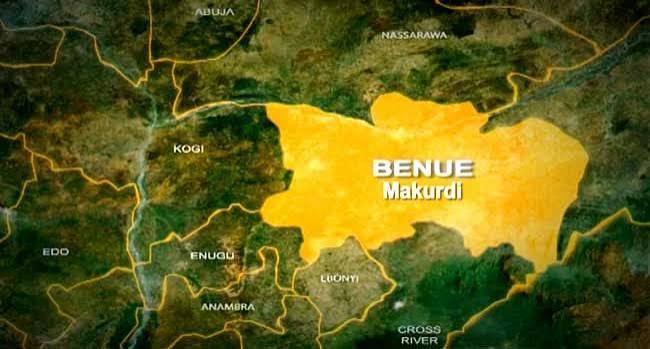
Three Feared Dead, 14 Hospitalised Over Suspected Herbal Mixture Poisoning in Benue
Three people have reportedly died and 14 others hospitalised after consuming suspected poisonous herbal mixtures sold at a market in Oju Local Government Area of Benue State. Four of the hospitalised victims are said to be in critical condition.
 News
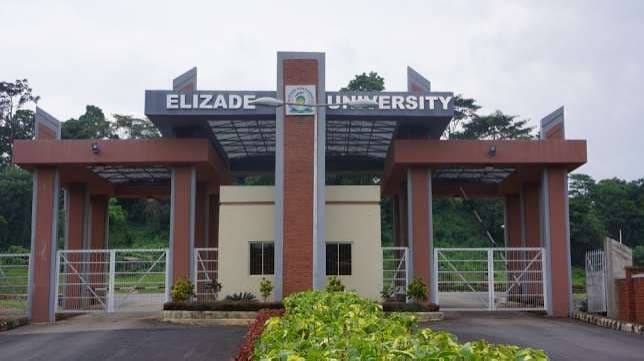
116 Bag First-Class Degrees as Elizade University Graduates 964
Elizade University has announced that 116 students earned first-class degrees among 964 undergraduate and postgraduate graduands from the 2024/2025 and 2025/2026 academic sessions.
 News
FG Unlocks $600m to Finance Creative, Digital Enterprises
The Federal Government is making available more than $600m in financing for Nigeria’s creative and digital industries through the Investment in Digital and Creative Enterprises programme, as part of efforts to attract investment, create jobs and strengthen the sector.
Comments (0)
Leave a comment
All comments are moderated before publishing. Your email is never published.