
Stagnation Warning: WHO Report at 79th World Health Assembly Reveals Healthcare Costs Have Pushed 1.6 Billion People Into Poverty
Stagnation Warning: WHO Report at 79th World Health Assembly Reveals Healthcare Costs Have Pushed 1.6 Billion People Into Poverty
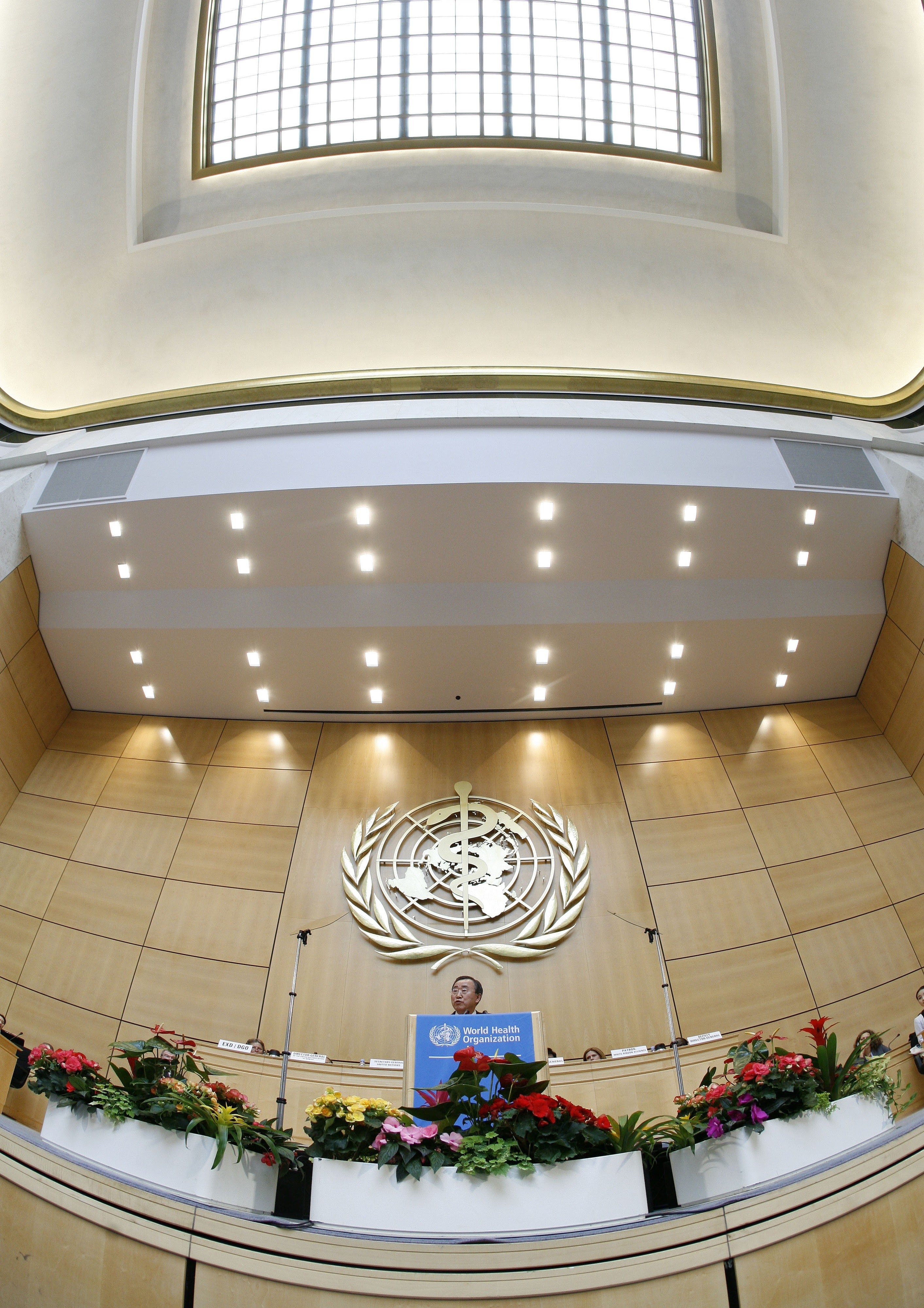
A stark and unsettling warning has been delivered to international diplomats, health ministers, and global experts gathered in Switzerland for the opening of the 79th World Health Assembly (WHA79). The World Health Organization (WHO) formally unveiled its comprehensive World Health Statistics 2026 report, uncovering a dangerous, decade-long stagnation in global medical equity and universal healthcare access.
The core data compiled in the global report reveals that the momentum toward achieving Universal Health Coverage (UHC) by the year 2030 has ground to a near-complete halt. Most alarming to economic and public health analysts is the revelation that skyrocketing out-of-pocket medical costs—exacerbated by worsening macroeconomic inflation, currency devaluations, and fractured local supply chains—have pushed an estimated 1.6 billion people worldwide directly into extreme poverty. Instead of shielding populations, weak health systems have effectively turned basic medical needs into a leading driver of global financial vulnerability.
The report also provides a harrowing look back at the prolonged, structural devastation left in the wake of recent global pandemics. Between 2020 and 2023, the global health crisis was directly linked to an estimated 22.1 million excess deaths worldwide. This figure is a staggering three times higher than the total number of deaths officially recorded and reported during the period, highlighting the massive gaps in national diagnostic data and reporting infrastructure. The sheer volume of these losses effectively wiped out nearly a decade of steady progress in global life expectancy gains.
Addressing the assembly floor, Dr. Yukiko Nakatani, the WHO Assistant Director-General for Health Systems, Access, and Data, delivered a passionate plea to the gathered delegations. She noted that humanity is currently facing a compounding intersection of climate-driven disease migration, economic instability, and widening immunization gaps. In many regions, routine childhood vaccinations against preventable killers like polio and measles have slipped to historic lows, creating dangerous vulnerabilities for sudden community resurgences.
"We can no longer afford to treat public health as a reactive luxury," Dr. Nakatani warned. She stated that the data proves that isolated, top-down funding models controlled by distant international entities are failing to insulate local populations. The WHO is urging member nations to aggressively pivot away from foreign-aid dependency and instead invest heavily in rebuilding domestic primary healthcare architectures.
The publication of the report has added massive urgency to the high-stakes negotiations occurring on the sidelines of WHA79 regarding the creation of a unified "WHO Pandemic Agreement." Delegations from lower- and middle-income nations, particularly across Africa and Latin America, are using the session to demand binding structural reforms. The primary friction points center around pathogen-sharing protocols and intellectual property.
Developing nations are pushing for a legal framework that guarantees immediate, equitable access to diagnostics, therapeutics, and vaccine manufacturing blueprints during localized outbreaks. This is intended to prevent a repeat of past crises, where wealthier nations monopolized global medical supply chains while developing regions were left waiting for months for basic emergency donations. The consensus among assembly leaders is clear: without a legally binding commitment to local medical self-reliance and transparent domestic funding, the global population remains dangerously unprepared for the next inevitable pandemic cycle.
Sponsored

Related stories
 Health
Diri Orders Free Quarterly Health Checks for All Bayelsa Residents at Secondary Facilities
Governor Douye Diri has directed Bayelsa's Ministry of Health to begin free quarterly medical check-ups across all eight local government areas, aimed at helping residents who cannot afford routine screening and promoting early detection of diseases.
 Health
‘Priceless Gift of Sight’ Reaches 400,000 Beneficiaries
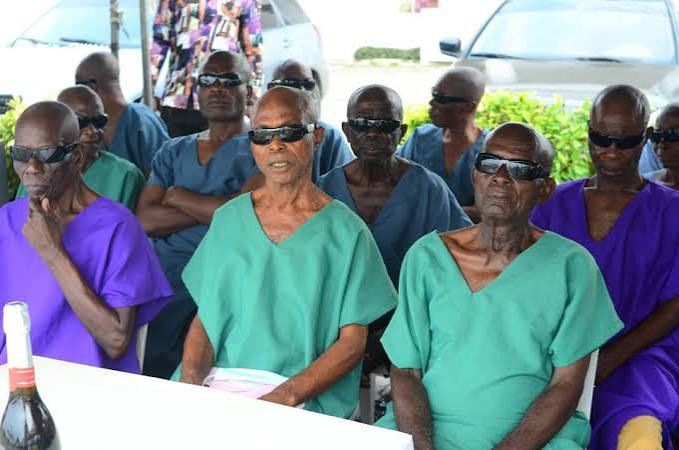
FCMB and the Tulsi Chanrai Foundation say their 15-year eye care partnership has reached over 400,000 Nigerians, as a World Sight Day roundtable in Abuja pushes for private-sector funding to sustain and expand care.
 Health
FUNAAB Launches Africa’s First AI Disease Surveillance System
Researchers at the Federal University of Agriculture, Abeokuta, have developed IDS-Master, a groundbreaking AI-powered surveillance system that detects infectious disease outbreaks in real time by analysing reports from community leaders, health agents, and ordinary residents. Described as Africa's first fully AI-driven event-based surveillance platform, the innovation promises to bridge critical gaps in outbreak detection across underserved rural communities where delays in reporting can cost l
 Health
NAFDAC Seeks Global Partners for Local Vaccine Production
The Director-General of the National Agency for Food and Drug Administration and Control (NAFDAC), Prof. Mojisola Adeyeye, has called on international partners to support the establishment of vaccine manufacturing facilities in Nigeria, saying local production is the missing link in the agency’s push to attain World Health Organisation Maturity Level 4 for vaccine lot release. She spoke at the 8th Nigeria Pharma Manufacturers’ Expo in Lagos, where she commended President Bola Tinubu’s Executive
Comments (0)
Leave a comment
All comments are moderated before publishing. Your email is never published.