
Reps Panel Recommends Special Court to Prosecute Crude Oil Theft
A House of Representatives panel has recommended the establishment of a special court to prosecute crude oil theft and related offences, in a bid to strengthen Nigeria's response to the persistent menace affecting its oil sector.
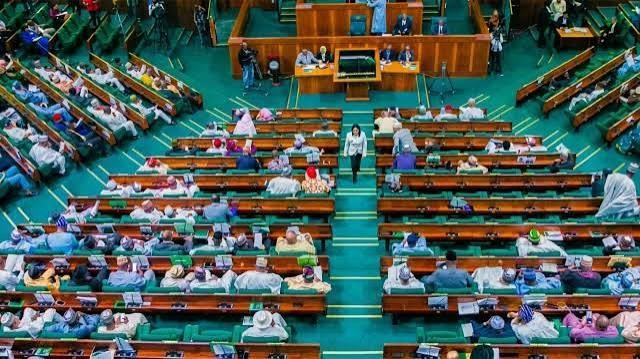
A House of Representatives panel has recommended the establishment of a dedicated special court to prosecute cases of crude oil theft, pipeline vandalism, illegal refining, and other related offences, in a bid to strengthen the country's response to the persistent menace crippling the petroleum sector.
The recommendation forms part of the panel's broader efforts to address the significant losses being incurred by the country as a result of crude oil theft, which has continued to undermine national revenue, environmental sustainability, and the overall performance of the oil and gas sector.
The panel argued that the establishment of a special court dedicated to handling crude oil theft and related offences would help fast-track the prosecution of such cases, ensure that perpetrators are effectively brought to justice, and serve as a strong deterrent to would-be offenders.
According to the lawmakers, the current arrangement, in which crude oil theft cases are prosecuted through the regular court system, has proven inadequate, given the complex, technical, and often protracted nature of such cases.
The panel noted that a special court, staffed with judges and prosecutors trained in the technical aspects of the oil and gas sector, would be better positioned to handle the various cases efficiently and deliver justice in a timely manner.
The lawmakers also emphasised that the establishment of the special court should be accompanied by broader reforms in the country's approach to tackling crude oil theft, including the strengthening of security around oil infrastructure, the deployment of advanced monitoring technology, and improved coordination among the various agencies responsible for petroleum sector security.
The recommendation is being viewed against the backdrop of the significant losses that Nigeria has continued to record due to crude oil theft, with various estimates indicating that the country loses billions of dollars annually to the menace.
The impact of crude oil theft on the country's economy has been severe, affecting government revenue, foreign exchange earnings, and the overall performance of the oil and gas sector, which remains a critical component of the Nigerian economy.
Various stakeholders, including oil producers, industry regulators, host communities, and civil society organisations, have consistently called for stronger measures to address crude oil theft and its various dimensions.
The Federal Government, through the Nigerian National Petroleum Company Limited (NNPCL), the Nigerian Upstream Petroleum Regulatory Commission (NUPRC), the Nigerian Midstream and Downstream Petroleum Regulatory Authority (NMDPRA), the Armed Forces, and other agencies, has continued to engage with the challenge.
Various interventions have been implemented, including the deployment of security forces around oil infrastructure, the use of private security contractors, the deployment of surveillance technology, and various operations targeting illegal refining sites.
Despite these efforts, crude oil theft has continued to pose significant challenges to the country's oil and gas sector, prompting calls for more comprehensive and effective interventions.
The House of Representatives panel's recommendation is being seen as a significant contribution to the ongoing conversations about how best to address the menace, with the proposed special court expected to strengthen the country's response.
Legal experts have welcomed the recommendation, noting that specialised courts have proven effective in various jurisdictions in handling complex, sector-specific cases.
They have called for the effective implementation of the recommendation, including the appointment of judges with the necessary expertise, the provision of adequate resources, and the deployment of appropriate procedures for handling the various cases.
Civil society organisations, host communities, and industry stakeholders have also welcomed the recommendation, expressing hope that the proposed special court would help address the various challenges relating to crude oil theft and its impact on affected communities.
The recommendation is expected to be considered by the leadership of the House of Representatives, with further deliberations and consultations likely to shape the specific form of the proposed special court.
The Federal Ministry of Justice, the National Judicial Council, and other relevant bodies are expected to be engaged in the process, providing their perspectives and support for the eventual establishment of the court.
Various stakeholders have called for the recommendation to be pursued expeditiously, given the urgent need to address the crude oil theft menace and its impact on the country's economy.
The recommendation also aligns with broader efforts by the current administration to reform the country's oil and gas sector, address the various challenges affecting the industry, and strengthen the sector's contributions to national development.
President Bola Ahmed Tinubu has, on various occasions, reaffirmed his commitment to strengthening the country's oil and gas sector, including through the implementation of reforms and the address of long-standing challenges.
The Petroleum Industry Act (PIA) 2021, which introduced significant reforms to the country's petroleum sector, has continued to be implemented, with various initiatives being rolled out to strengthen the industry.
The implementation of the PIA, along with the establishment of new regulatory bodies, has provided a stronger framework for engaging with the various challenges affecting the sector, including crude oil theft.
The proposed special court is expected to complement these various initiatives, providing a dedicated judicial mechanism for handling the specific challenges relating to crude oil theft and its various dimensions.
Various observers have called for continued engagement with the broader reforms needed to address crude oil theft, including addressing the underlying socio-economic factors that drive the menace in various affected communities.
They have emphasised the importance of addressing poverty, unemployment, environmental degradation, and other issues in the Niger Delta and other oil-producing areas as part of a comprehensive response to the challenge.
The Federal Government has continued to engage with these various issues, with various initiatives being implemented to support affected communities and address the broader challenges.
The Ministry of Environment, the Niger Delta Development Commission (NDDC), and other agencies have been engaged in these efforts, working with various stakeholders to advance the country's development agenda.
The recommendation for the establishment of a special court is being viewed against this broader context, with implications for the country's oil and gas sector, the broader economy, and affected communities.
As the recommendation is considered by the relevant authorities, various stakeholders will continue to engage with the ongoing conversations, offering perspectives and contributions to shape the eventual outcome.
Related stories
 News
News
Court Orders Final Forfeiture of ₦150m Linked to Delta Reps Member
A Federal High Court has ordered the final forfeiture of the sum of ₦150 million linked to a member of the House of Representatives from Delta State, in a significant development in the ongoing efforts to recover suspected illicit funds
 News
News
Oyo Govt Denies Paying Ransom to Kidnappers, Insists on No-Payment Policy
The Oyo State Government has denied paying any ransom to kidnappers for the release of victims of recent abduction incidents in the state, insisting that no public funds were used for such payments.
 News
News
Court of Appeal Rules Against Hijab Use at UI International School
The Court of Appeal has ruled against the use of hijab by Muslim female students at the University of Ibadan International School, in a landmark judgment that has stirred significant public discourse.
 News
News
Court Awards Widow N200m Damages Over Police Killing of Husband in Osun
A court has awarded the sum of N200 million in damages to a widow whose husband was killed by police officers in Osun State, in a significant judgment on police accountability and the protection of citizens' rights.
Comments (0)
Leave a comment
All comments are moderated before publishing. Your email is never published.