
Court Awards Widow N200m Damages Over Police Killing of Husband in Osun
A court has awarded the sum of N200 million in damages to a widow whose husband was killed by police officers in Osun State, in a significant judgment on police accountability and the protection of citizens' rights.
A court has awarded a widow the sum of N200 million in damages over the killing of her husband by police officers in Osun State, in a landmark ruling that has been widely welcomed as a significant step in the fight against police brutality and extrajudicial killings.
The court's decision came following a case filed by the widow, who had sought justice for the death of her husband, allegedly caused by the unlawful actions of police officers in the state.
According to the details of the case, the widow's husband was reportedly killed in circumstances that raised serious questions about the conduct of the police officers involved, prompting the family to pursue legal action to demand justice and appropriate compensation.
The court, after considering the evidence presented, the arguments of both sides, and the applicable laws, found that the widow's husband was unlawfully killed by the police officers and awarded the significant damages against the police.
The presiding judge, in delivering the ruling, emphasised that the police, as an institution responsible for protecting lives and property, has a fundamental duty to respect the rights and dignity of all citizens.
The judge stressed that any deviation from this duty, particularly through acts of extrajudicial killings, unlawful use of force, or other forms of misconduct, would attract appropriate legal consequences.
The court's ruling has been welcomed by civil society organisations, human rights groups, families of victims of police brutality, and members of the public, who have long called for stronger accountability measures within the Nigeria Police Force.
Various stakeholders have described the ruling as a significant step in the ongoing efforts to hold the police accountable for their actions and ensure that victims and their families receive appropriate justice and compensation.
The N200 million damages awarded to the widow represents one of the significant compensation figures ever awarded in cases of police brutality in Nigeria, sending a strong signal about the courts' commitment to protecting citizens' rights.
Legal experts have highlighted the ruling as an important precedent that could shape future cases involving police brutality and extrajudicial killings, providing hope for other families seeking justice.
They have called on the Nigeria Police Force to embrace the lessons from the ruling, strengthen internal accountability mechanisms, and ensure that its officers adhere to the highest standards of professionalism and respect for citizens' rights.
The ruling comes against the backdrop of longstanding concerns about police brutality, extrajudicial killings, and other forms of misconduct within the Nigeria Police Force.
Various reports, including those from local and international human rights organisations, have documented cases of police brutality in various parts of the country, with calls for comprehensive reforms of the force.
The 2020 #EndSARS protests, which drew global attention to the issue of police brutality in Nigeria, particularly the activities of the disbanded Special Anti-Robbery Squad (SARS), highlighted the depth of public concerns about the conduct of the police.
Following the protests, the Federal Government initiated various reforms aimed at addressing the issues raised, including the establishment of judicial panels of inquiry to investigate cases of police brutality across the states.
Various states, including Osun State, established panels that received petitions, conducted hearings, and made recommendations regarding cases of police misconduct.
The current court ruling awarding N200 million to the widow is part of the broader ongoing engagement with these issues, with implications for the various reforms being pursued.
The Osun State Police Command is yet to formally respond to the ruling, with observers expecting an official statement in the coming days.
Various stakeholders have called on the police command to comply with the court's ruling, honour the payment of the damages awarded, and take steps to prevent similar incidents in the future.
Civil society organisations, human rights groups, and legal experts have also called for accountability against the police officers involved in the killing, stressing that individual responsibility should not be lost in the broader institutional response.
They have called on the Inspector-General of Police, Kayode Egbetokun, to ensure that the officers involved face appropriate disciplinary and criminal proceedings, including possible dismissal from the force and prosecution for their alleged actions.
The Nigeria Police Force has, in recent times, engaged with various initiatives aimed at strengthening its operations, improving its relationship with citizens, and addressing the various concerns about its conduct.
Various reforms have been introduced, including the deployment of body cameras for officers, the training of personnel on human rights, the strengthening of internal disciplinary mechanisms, and the establishment of complaint response units.
However, various stakeholders have called for more comprehensive reforms, including the strengthening of accountability mechanisms, the implementation of community policing, and the improvement of the welfare and training of police officers.
The proposed establishment of state police, which is currently under consideration by the National Assembly, has also been highlighted as a potential measure that could improve policing across the country.
The Federal Government has continued to reaffirm its commitment to reforming the police, with various interventions being rolled out to support the transformation of the force.
Various international partners, including foreign governments, multilateral institutions, and international human rights organisations, have also engaged with Nigeria's police reform efforts, providing technical support, training, and other forms of assistance.
The court's ruling in the current case is being viewed against this broader context, with implications for the ongoing efforts to strengthen police accountability and protect citizens' rights.
The widow, whose husband was killed by the police, has been through a long and difficult journey in seeking justice for her loss, with the court's ruling providing significant recognition of her loss and the wrong she suffered.
Various stakeholders have expressed solidarity with the widow and her family, commending her for her courage and determination in pursuing justice through the legal system.
They have also called on other victims of police brutality and their families to seek legal remedies where appropriate, stressing the importance of accountability in strengthening the country's justice system.
Legal aid organisations, human rights groups, and pro bono lawyers have continued to support various victims of police brutality in pursuing legal remedies, with the current ruling expected to encourage more victims to come forward.
The National Human Rights Commission (NHRC) and other relevant bodies have also engaged with cases of police brutality, offering support to victims and advocating for reforms.
The current ruling represents another important step in the ongoing engagement with issues of police brutality, with implications for the broader conversations about human rights, accountability, and the protection of citizens.
The Nigerian judicial system, through its various rulings and decisions, has continued to play a critical role in shaping the country's engagement with these various issues.
Various court decisions have contributed to the strengthening of the country's human rights framework, providing important protections for citizens and setting precedents for future cases.
The current ruling awarding N200 million to the widow of a victim of police brutality in Osun State adds to this important body of judicial decisions, contributing to the broader efforts to strengthen accountability and protect citizens' rights.
As the various stakeholders continue to engage with the developments, attention will remain on the actions of the police command, the responses of the various institutions responsible for accountability, and the broader implications for the country's justice system.
Related stories
 News
News
Court Orders Final Forfeiture of ₦150m Linked to Delta Reps Member
A Federal High Court has ordered the final forfeiture of the sum of ₦150 million linked to a member of the House of Representatives from Delta State, in a significant development in the ongoing efforts to recover suspected illicit funds
 News
News
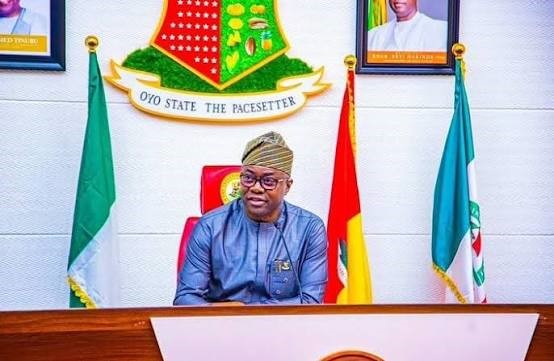
Oyo Govt Denies Paying Ransom to Kidnappers, Insists on No-Payment Policy
The Oyo State Government has denied paying any ransom to kidnappers for the release of victims of recent abduction incidents in the state, insisting that no public funds were used for such payments.
 News
News
Court of Appeal Rules Against Hijab Use at UI International School
The Court of Appeal has ruled against the use of hijab by Muslim female students at the University of Ibadan International School, in a landmark judgment that has stirred significant public discourse.
 News
News
NDC Demands Sack of Chief of Staff Femi Gbajabiamila Over PFIPC Scandal
The Nigeria Democratic Congress (NDC) has called for the immediate sack of the Chief of Staff to the President, Femi Gbajabiamila, over his alleged involvement in the Presidential Fiscal Policy and Implementation Committee (PFIPC) scandal.
Comments (0)
Leave a comment
All comments are moderated before publishing. Your email is never published.