
NDC Demands Sack of Chief of Staff Femi Gbajabiamila Over PFIPC Scandal
The Nigeria Democratic Congress (NDC) has called for the immediate sack of the Chief of Staff to the President, Femi Gbajabiamila, over his alleged involvement in the Presidential Fiscal Policy and Implementation Committee (PFIPC) scandal.
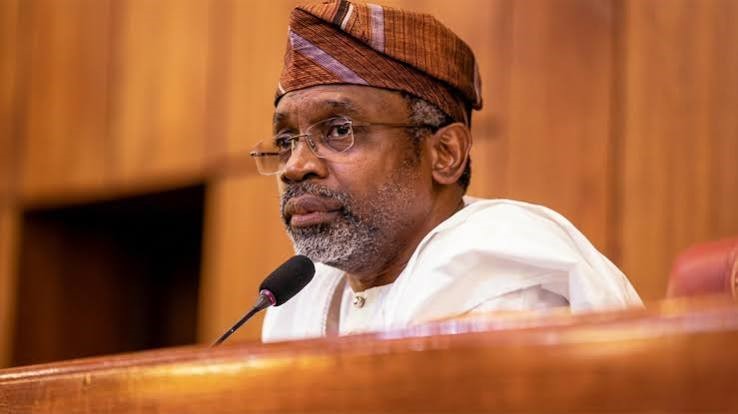
Nigeria Democratic Congress (NDC) has demanded the immediate removal of the Chief of Staff to the President, Femi Gbajabiamila, over what it described as his alleged involvement in the Presidential Fiscal Policy and Implementation Committee (PFIPC) scandal.
The party, in a strongly worded statement, called on President Bola Ahmed Tinubu to sack the Chief of Staff, arguing that his continued stay in office would undermine public confidence in the administration and its stated commitment to accountability and transparency.
The NDC alleged that the scandal, which has continued to attract public attention, raises serious questions about the conduct, integrity, and management of the PFIPC, with implications for the administration's fiscal policy framework and the country's broader economic governance.
The party maintained that the seriousness of the allegations, coupled with the profile of the individuals involved, warrants decisive action from the President to demonstrate his administration's commitment to accountability and the fight against corruption.
The NDC argued that allowing Gbajabiamila to remain in office in the face of the allegations would send the wrong signal about the administration's tolerance for alleged misconduct by top officials.
The party called on President Tinubu to institute a comprehensive investigation into the PFIPC scandal, ensure that all those found culpable are held accountable, and take decisive action to protect the integrity of the office of the Chief of Staff.
The NDC also called for the strengthening of the country's public financial management framework, including the introduction of reforms aimed at preventing similar scandals in the future.
The party urged the National Assembly, the Economic and Financial Crimes Commission (EFCC), the Independent Corrupt Practices and Other Related Offences Commission (ICPC), and other relevant institutions to engage with the scandal and ensure that appropriate actions are taken.
The NDC further called on civil society organisations, the media, and members of the public to remain vigilant, demand accountability from public officials, and support the various efforts aimed at strengthening the country's governance framework.
The Nigeria Democratic Congress (NDC), which has been positioning itself as a major opposition platform ahead of the 2027 general elections, has continued to engage with various issues affecting the country's political, economic, and social landscape.
The party's demand for the sack of the Chief of Staff represents its latest engagement with issues relating to the current administration, with implications for the broader political conversations in the country.
Various stakeholders, including political observers, civil society organisations, and members of the public, are expected to weigh in on the party's demand, offering perspectives on the specific allegations and the broader implications.
The Presidential Fiscal Policy and Implementation Committee (PFIPC) was established by the current administration to advise the President on fiscal policy matters, coordinate the implementation of fiscal reforms, and address various issues relating to the country's public financial management.
The committee has, over the past period, engaged with various issues affecting the country's fiscal framework, including tax reforms, expenditure management, revenue enhancement, and other critical matters.
The specific allegations that have given rise to the current scandal are yet to be fully clarified, with observers expecting more details to emerge as the various stakeholders engage with the matter.
The Federal Government is yet to formally respond to the NDC's demand, with observers expecting official communications in the coming days.
The Office of the Chief of Staff to the President is one of the most important offices in the executive arm of government, providing strategic advice and coordination support to the President in various matters relating to governance.
Femi Gbajabiamila, a former Speaker of the House of Representatives, assumed the position of Chief of Staff to President Tinubu at the beginning of the current administration.
His tenure has been characterised by significant engagement with various policy initiatives, coordination of the administration's activities, and interactions with various stakeholders across the country and internationally.
The current allegations relating to the PFIPC scandal have introduced significant discussions about his tenure, with implications for the broader conversations about the administration's stewardship.
Various stakeholders have called for the matter to be handled with due professionalism, ensuring that appropriate investigations are conducted and that the various parties involved are given the opportunity to respond to the specific allegations.
They have also emphasised the importance of the various institutions responsible for accountability, including the National Assembly, the anti-graft agencies, and the judiciary, engaging with the matter effectively.
Civil society organisations, anti-corruption advocates, and other stakeholders have continued to engage with issues relating to public accountability, offering support and advocacy for the strengthening of the country's governance framework.
The NDC's demand for the sack of the Chief of Staff is being viewed as part of the party's broader engagement with issues affecting the country, with implications for its positioning ahead of the 2027 general elections.
Various observers have noted that opposition parties often engage with such issues as part of their political strategy, with implications for the broader political conversations in the country.
The specific outcome of the current controversy remains to be seen, with the various stakeholders expected to continue to engage with the developments in the coming days and weeks.
The Federal Government, various institutions responsible for accountability, civil society organisations, and members of the public will all play significant roles in shaping the eventual outcome.
Nigerians are, meanwhile, being encouraged to remain informed about the developments, engage constructively with the issues at stake, and support the various efforts aimed at strengthening the country's governance framework.
Related stories
 News
News
Court Orders Final Forfeiture of ₦150m Linked to Delta Reps Member
A Federal High Court has ordered the final forfeiture of the sum of ₦150 million linked to a member of the House of Representatives from Delta State, in a significant development in the ongoing efforts to recover suspected illicit funds
 News
News
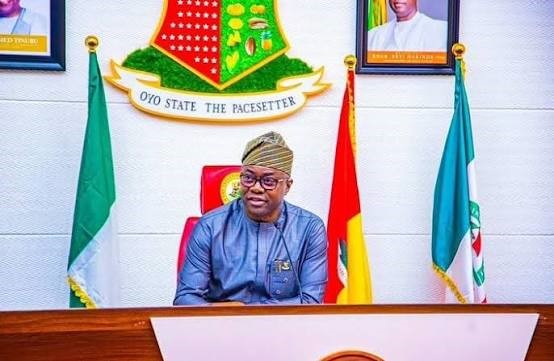
Oyo Govt Denies Paying Ransom to Kidnappers, Insists on No-Payment Policy
The Oyo State Government has denied paying any ransom to kidnappers for the release of victims of recent abduction incidents in the state, insisting that no public funds were used for such payments.
 News
News
Court of Appeal Rules Against Hijab Use at UI International School
The Court of Appeal has ruled against the use of hijab by Muslim female students at the University of Ibadan International School, in a landmark judgment that has stirred significant public discourse.
 News
News
Court Awards Widow N200m Damages Over Police Killing of Husband in Osun
A court has awarded the sum of N200 million in damages to a widow whose husband was killed by police officers in Osun State, in a significant judgment on police accountability and the protection of citizens' rights.
Comments (0)
Leave a comment
All comments are moderated before publishing. Your email is never published.