
Post-Harvest Mitigation Gains Traction as New Processing Hubs Open Across Nigeria
Post-Harvest Mitigation Gains Traction as New Processing Hubs Open Across Nigeria

Nigeria’s multi-pronged strategy to reduce post-harvest losses and drive domestic value-addition saw major progress this week with significant advancements at both state and federal levels.
In Anambra State, the government officially commissioned the Afrirootz processing facility in Akwaeze. The plant boasts an initial capacity of 15 tonnes per month and is engineered to process locally harvested cassava, yams, and sweet potatoes into export-grade organic flour. Local agricultural cooperatives have lauded the development, which guarantees a reliable off-taker market for smallholders whose perishable root crops frequently spoil before reaching urban consumers.
Concurrently, the Federal Ministry of Agriculture and Food Security convened a critical strategy meeting in Abuja to accelerate the rollout of its Special Agro-Industrial Processing Zones (SAPZ) program. Funded through a joint framework involving the African Development Bank (AfDB) and the International Fund for Agricultural Development (IFAD), the SAPZ initiative targets the establishment of fully integrated infrastructure zones.
The ministry emphasized that the long-term goal remains a definitive shift away from exporting raw agricultural commodities, building domestic processing clusters to shield the local economy from volatile global supply chain shocks.
Sponsored

Related stories
 Agriculture
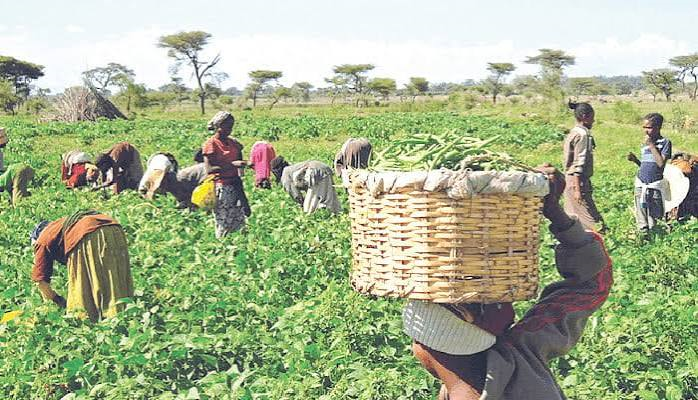
Poor Harvest May Worsen Nigeria's Food Crisis, AFAN Warns
The All Farmers Association of Nigeria has warned that poor harvests caused by devastating floods, insecurity and farmer displacement could plunge the country into a severe food crisis, with millions facing famine-like conditions in early 2027. AFAN President Kabir Ibrahim says the situation could mirror the 2024 hardship protests unless urgent interventions are made to support farmers and stabilise food production.
 Agriculture
Abakaliki Rice Mill: Ebonyi’s N171bn Neglected Goldmine
Nigeria's largest rice mill, operating since 1967, processes 132,000 tonnes of rice annually—worth over N171 billion—yet operates without power, safe working conditions, or good roads. As the state's entire IGR sits at just N17.18 billion, analysts ask how a facility generating ten times that amount has been allowed to decay into a "prostrate goldmine."
 Agriculture
Seaweed Could Transform Nigeria’s Agricultural Energy Sector
SMEFUNDS CEO Dr. Femi Oye advocates for seaweed as a renewable energy source to power Nigeria’s food production, offering a circular solution for farmers and small businesses.
 Agriculture
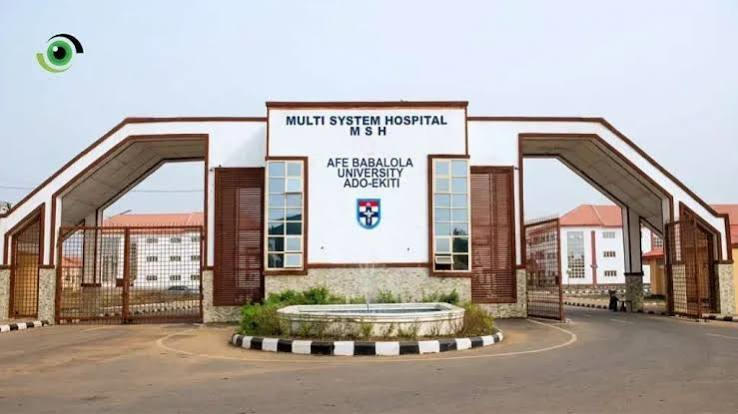
Babalola’s Farmer Support Hits N98m
Legal icon Aare Afe Babalola has disbursed N11.2 million to 81 outstanding farmers across Ekiti State's 16 local government areas, bringing total awards under his annual agricultural scheme since 2015 to N98 million.
Comments (0)
Leave a comment
All comments are moderated before publishing. Your email is never published.