
Alleged Drug Trafficking: Why US Hasn’t Arrested Tinubu — President’s Lawyer
Tinubu’s lawyer says US authorities would have prosecuted the President if credible evidence linked him to drug trafficking.
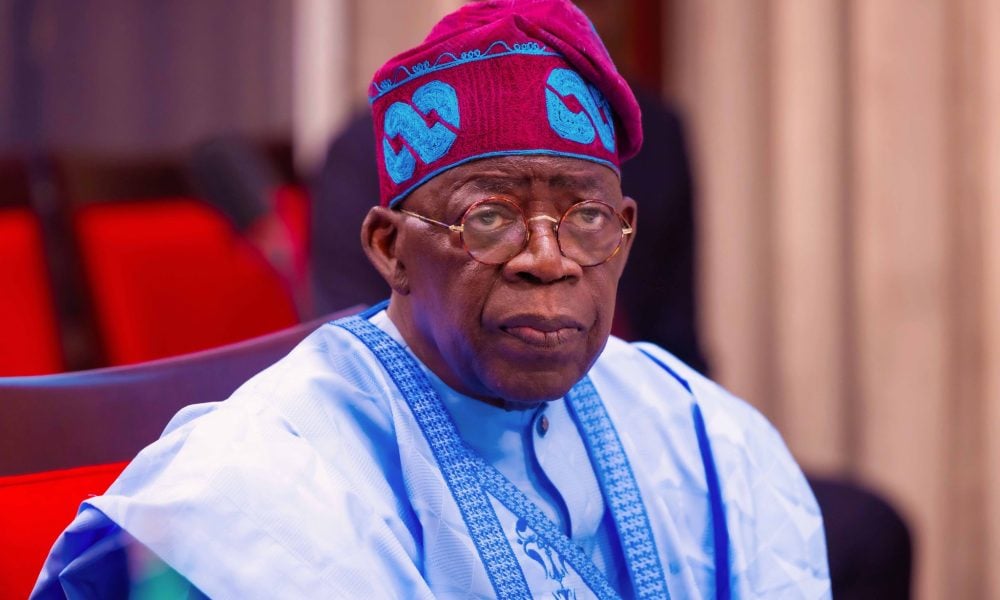
A member of President Bola Tinubu’s legal team in the United States, Senior Advocate of Nigeria Wole Afolabi, has explained why American authorities have not arrested or prosecuted the Nigerian President over allegations linking him to drug trafficking.
Afolabi said US authorities treat drug trafficking as a serious offence and argued that Tinubu would have faced criminal proceedings if credible evidence existed against him.
The lawyer made the comments while discussing an ongoing legal battle over the release of records held by the US Department of Justice, Federal Bureau of Investigation and Drug Enforcement Administration.
The records are the subject of a Freedom of Information Act lawsuit filed by Aaron Greenspan, who is seeking access to documents relating to Tinubu and previous investigations.
According to Afolabi, thousands of pages of documents have already been released, while US authorities are seeking to keep some portions redacted.
He said the redactions were intended to protect confidential sources, investigative methods and law enforcement personnel, rather than shield the President from damaging information.
Afolabi argued that Tinubu’s legal team would be failing in its professional duty if it did not use the legal rights available to its client to challenge the release of information that could be protected under US law.
He also questioned why Tinubu had repeatedly travelled to and from the United States without being arrested, detained or prosecuted if American authorities possessed evidence linking him to drug trafficking.
The lawyer cited cases involving prominent foreign officials who faced US action over drug-related allegations, arguing that the absence of an indictment against Tinubu remained significant.
Afolabi further stressed that the President is presumed innocent unless proven guilty.
The controversy has also drawn attention to a $460,000 sum forfeited to US authorities in the 1990s in a civil forfeiture proceeding involving accounts linked to Tinubu.
Afolabi maintained that civil forfeiture should not be interpreted as a criminal conviction or indictment, stressing that the two legal processes are fundamentally different.
He declined to disclose confidential information concerning Tinubu’s account of the matter, citing attorney-client privilege.
The lawyer also defended the decision to challenge the release of some records, saying the legal action was not intended to prevent the disclosure of all documents.
He maintained that the case would ultimately be determined according to US law and that the existence of investigative records alone should not be interpreted as proof of criminal wrongdoing.
Sponsored

Related stories
 News
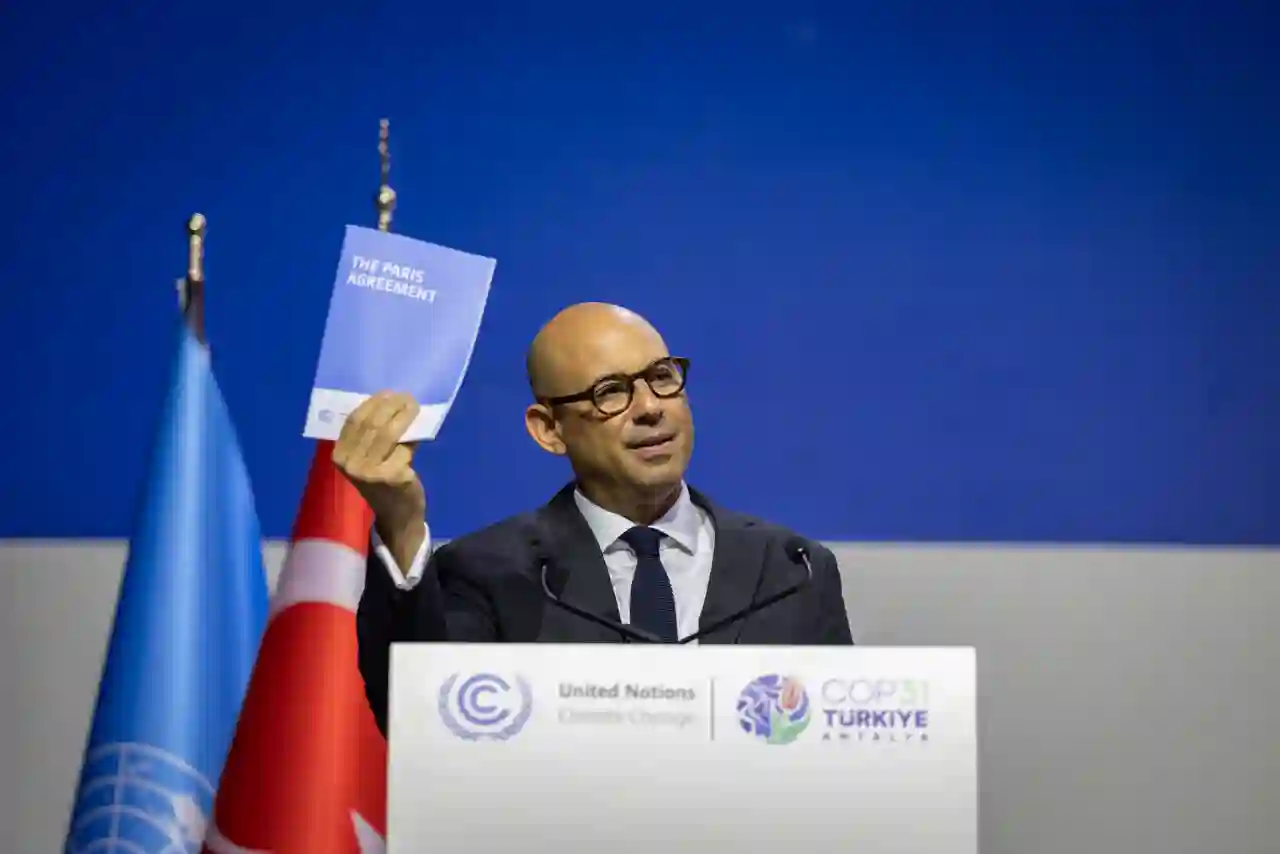
Global Warming Indicators Hit Record Levels as COP31 Calls for Urgent Action
The World Meteorological Organization says rising global temperatures, ocean heat and greenhouse gases underscore the urgent need for stronger climate action.
 News
Vulnerable Island Nations Demand More Climate Finance at COP31
Small island nations at COP31 have called for stronger climate financing, warning that storms, floods and rising seas threaten livelihoods and development.
 News
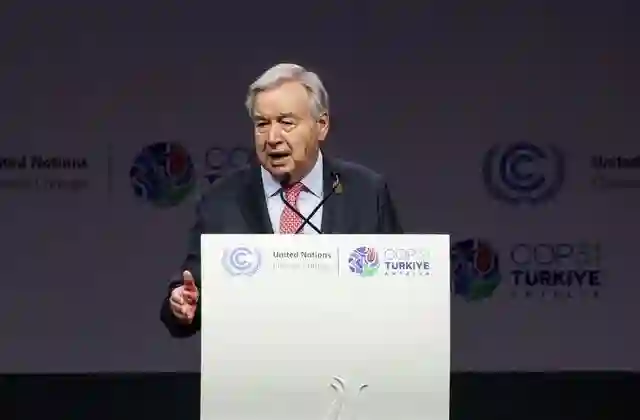
War, Conflicts Must Not Distract World From Climate Action — Leaders Warn at COP31
Brazil and Türkiye have urged world leaders to maintain climate commitments despite wars, trade disputes and competing global political and economic crises.
 News
COP31: Energy Transition Takes Centre Stage as Countries Map Path Beyond Fossil Fuels
Countries at COP31 are pushing for faster electrification, renewable energy investment and practical roadmaps to reduce dependence on fossil fuels.
Comments (0)
Leave a comment
All comments are moderated before publishing. Your email is never published.