
Poor Harvest May Worsen Nigeria's Food Crisis, AFAN Warns
The All Farmers Association of Nigeria has warned that poor harvests caused by devastating floods, insecurity and farmer displacement could plunge the country into a severe food crisis, with millions facing famine-like conditions in early 2027. AFAN President Kabir Ibrahim says the situation could mirror the 2024 hardship protests unless urgent interventions are made to support farmers and stabilise food production.
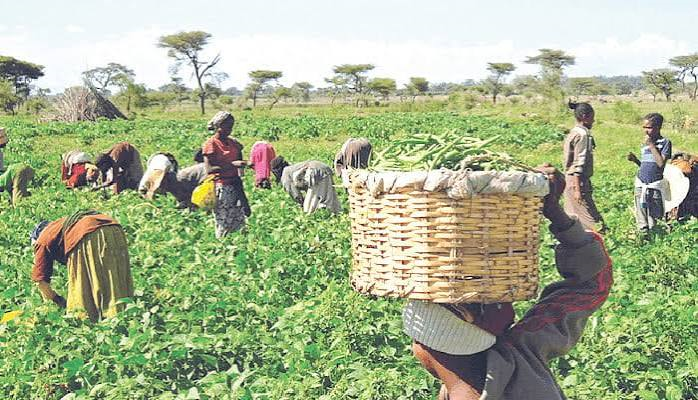
The All Farmers Association of Nigeria (AFAN) has warned that poor harvests across the country could worsen Nigeria's food crisis, with the situation potentially mirroring the 2024 hardship protests that rocked several states over the cost of living.
AFAN National President, Kabir Ibrahim, gave the warning in an interview with the News Agency of Nigeria (NAN) on Monday in Abuja, stating that the combined effects of flooding, insecurity and displacement of farmers from their farmlands had severely impacted food production and could trigger a crisis by early 2027. Ibrahim, who spoke against the backdrop of the 2026 World Food Day celebration, said the country's food security was at risk if urgent steps were not taken to support farmers and stabilise production.
"The situation is dire. Floods have destroyed thousands of hectares of farmland across the country, particularly in the North, while insecurity has forced many farmers to abandon their farms," Ibrahim said. "We are looking at a situation where the harvest will be significantly lower than expected, and if nothing is done urgently, we could face a food crisis that will make the 2024 protests look like a minor skirmish."
The AFAN president's warning comes amid growing concerns over food inflation, which has remained stubbornly high despite the Federal Government's various interventions. According to the National Bureau of Statistics, food inflation stood at over 30 per cent in September 2026, with staple items such as rice, beans, maize, millet and sorghum recording significant price increases. The rising cost of food has placed immense pressure on Nigerian households, with millions of families struggling to afford three square meals a day.
Ibrahim identified the recent floods as one of the most significant threats to food production in 2026. The Nigerian Meteorological Agency and the National Emergency Management Agency had warned earlier in the year that several states were at risk of severe flooding, particularly communities along the River Benue and River Niger. Those warnings materialised in September and October, with devastating consequences for farmers in Adamawa, Taraba, Benue, Kogi, Niger, Anambra, Bayelsa, Delta and other states. Thousands of hectares of rice, maize, cassava and yam farms were submerged, and many farmers lost not just their crops but also their homes and livestock.
Beyond the floods, Ibrahim said insecurity remained a major obstacle to food production. He noted that banditry, kidnapping and farmer-herder conflicts had forced many farmers in the North-West and North-Central regions to abandon their farms, reducing cultivated land and disrupting the food supply chain. The displacement of farming communities has also created a humanitarian crisis, with thousands of farmers living in internally displaced persons camps, unable to access their land or earn a livelihood. He warned that the combination of flooding and insecurity had created a perfect storm that threatened to push millions more Nigerians into food insecurity.
The AFAN president also expressed concern over the high cost of farm inputs, including fertiliser, seeds, pesticides and diesel. He said many farmers had been unable to cultivate as much land as they had planned because they could not afford the inputs, while others had been forced to reduce the number of hectares they planted. He urged the Federal Government to intervene by subsidising farm inputs, providing credit facilities to farmers and investing in irrigation infrastructure to reduce dependence on rain-fed agriculture.
Ibrahim called on the government to declare a state of emergency on food security, arguing that the current approach was inadequate to address the scale of the crisis. He said AFAN had been engaging with the Federal Ministry of Agriculture and Food Security on measures to support farmers, including the distribution of improved seeds, fertiliser and other inputs, but added that the interventions had not reached enough farmers to make a meaningful difference. He also urged state governments to invest in agricultural extension services and to support farmers in adopting climate-smart practices that could improve yields and resilience.
The AFAN warning has been echoed by other stakeholders in the agricultural sector. The Nigerian Stored Products Research Institute has warned of post-harvest losses, which account for about 30 per cent of the country's food production. The institute has called for greater investment in storage facilities, particularly in rural areas where farmers lack access to modern silos and warehouses. Similarly, the Nigerian Economic Summit Group has warned that food inflation could push more Nigerians into poverty and undermine the government's economic growth targets.
The Federal Government has acknowledged the challenge and has introduced several initiatives aimed at boosting food production, including the National Agricultural Growth Scheme and the Green Imperative Programme. However, critics say the interventions have been slow to materialise and have not reached the farmers who need them most. The government has also been criticised for its response to flooding, with many states complaining that relief materials have been inadequate and slow to arrive.
As Nigeria approaches the 2026 harvest season, the outlook is deeply concerning. The combination of flooding, insecurity, high input costs and inadequate support for farmers has created conditions that could lead to a significant shortfall in food production. For a country that is already grappling with high food prices and widespread hunger, the consequences could be devastating. Ibrahim's warning is a stark reminder that food security is not just an agricultural issue; it is a matter of national security and social stability. The government must act urgently to support farmers, address insecurity and invest in the infrastructure needed to ensure that Nigeria can feed itself. The alternative is a crisis that no one can afford.
Sponsored

Related stories
 Agriculture
Abakaliki Rice Mill: Ebonyi’s N171bn Neglected Goldmine
Nigeria's largest rice mill, operating since 1967, processes 132,000 tonnes of rice annually—worth over N171 billion—yet operates without power, safe working conditions, or good roads. As the state's entire IGR sits at just N17.18 billion, analysts ask how a facility generating ten times that amount has been allowed to decay into a "prostrate goldmine."
 Agriculture
Seaweed Could Transform Nigeria’s Agricultural Energy Sector
SMEFUNDS CEO Dr. Femi Oye advocates for seaweed as a renewable energy source to power Nigeria’s food production, offering a circular solution for farmers and small businesses.
 Agriculture
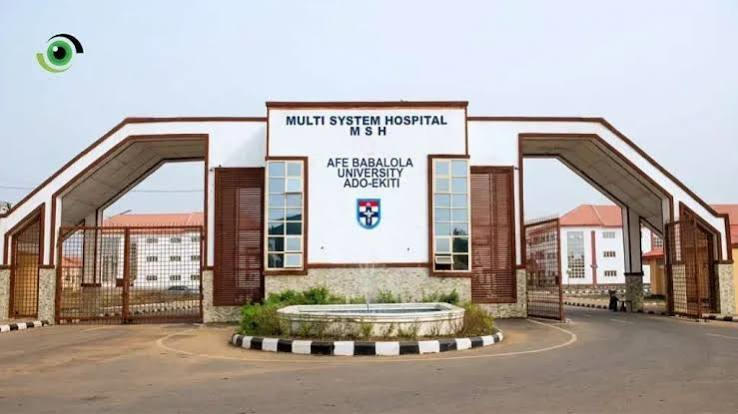
Babalola’s Farmer Support Hits N98m
Legal icon Aare Afe Babalola has disbursed N11.2 million to 81 outstanding farmers across Ekiti State's 16 local government areas, bringing total awards under his annual agricultural scheme since 2015 to N98 million.
 Agriculture
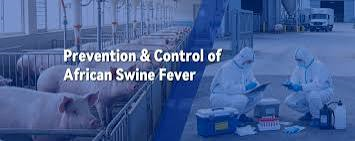
FG Launches African Swine Fever Control Campaign in Southwest
The Federal Government has launched a major African Swine Fever control and biosecurity campaign at the Oke-Aro Pig Farm Estate, distributing protective kits to farmers and pledging comprehensive training to prevent future outbreaks. The intervention by the Livestock Productivity and Resilience Support Project (L-PRES) targets one of Nigeria's largest pig production clusters, which has suffered devastating losses from the highly contagious disease in the past.
Comments (0)
Leave a comment
All comments are moderated before publishing. Your email is never published.