
Abakaliki Rice Mill: Ebonyi’s N171bn Neglected Goldmine
Nigeria's largest rice mill, operating since 1967, processes 132,000 tonnes of rice annually—worth over N171 billion—yet operates without power, safe working conditions, or good roads. As the state's entire IGR sits at just N17.18 billion, analysts ask how a facility generating ten times that amount has been allowed to decay into a "prostrate goldmine."
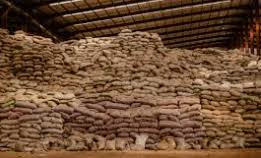
The Abakaliki Rice Mill, arguably the largest rice processing facility in Nigeria, has been described as a "prostrate goldmine" whose deplorable condition stands in stark contrast to the immense economic value it generates, with analysts questioning how a facility worth over N171 billion annually has been allowed to decay while successive administrations prioritised vanity projects over agricultural infrastructure.
Writing for The Nation, Kel Armstrong Amobi detailed the heart-breaking state of the mill, which has operated since 1967 and supports over 8,000 workers across the value chain. According to Amobi, the mill processes up to 11,000 metric tonnes of rice monthly, translating to 132,000 tonnes annually, or approximately 2.64 million 50kg bags. With a 50kg bag selling for between N65,000 and N80,000 this year, the rice moving through the mill is worth about N171.6 billion annually at the lowest price—approximately ten times Ebonyi State's entire internally generated revenue of N17.18 billion in 2025.
The facility, which is privately owned by millers and cooperatives, has been left to operate without government support despite the state collecting royalties and levies from it. "The gate and the road looked like the path to a village shrine," Amobi wrote. "Yet the rice that comes out of that place is the most famous rice in Nigeria." The mill lacks power, with each cluster of up to 14 machines burning about 109,200 litres of diesel annually at a cost of N136.5 million. Thousands of women work in a permanent haze of rice dust and machine smoke without protective gear, prompting universities to run free outreach programmes for workers with respiratory symptoms.
Amobi's analysis highlights the broader paradox of Nigeria's food import bill. Despite being home to the most famous rice in the country, Nigeria produces 5.23 million tonnes of milled rice against consumption of over 7.6 million tonnes, leaving a gap of about 2.4 million tonnes annually. To fill this gap, the country spends an estimated $2 billion yearly importing rice, and spent a record N7.65 trillion importing food and beverages in 2025. If Ebonyi supplied just 10 per cent of the deficit—about 237,000 tonnes—it would be selling roughly N308 billion worth of rice annually, or 18 times the state's IGR.
The article traced a pattern of abandoned promises. The Elechi administration built three modern rice mills at Ikwo, Iboko and Oso Edda, but by 2018, two had remained idle since installation. In 2018, the Umahi government announced three new mills across the three zones, and around 2019 promised to modernise the Abakaliki Rice Mill with new machines, water, good roads and better buildings. The state acquired 250,000 hectares of arable land and trained over 540,000 farmers with a N2 billion commercial loan, targeting over 500,000 tonnes of rice. Estimates of actual production since then range from 134,000 to 260,000 tonnes. A 5.5-megawatt biomass plant acquired from Germany to turn rice husks into electricity remains unused, while the mill still runs on diesel.
Amobi contrasted the neglect of the mill with spending on other projects. Over N36 billion went into building an airport, and another N17.3 billion into fixing its runway—N53.3 billion for an airport that has stayed inactive for over 1,200 days since commissioning. The Vanco flyover is described as a N28.5 billion project. For comparison, a private company built a N10 billion rice mill in Kebbi in 2017 with a capacity of 100,000 tonnes annually. "The money sunk into one airport and one flyover could have built modern mills, powered the Abakaliki cluster, and paved the farm roads that farmers walk every season. Instead, we built flyovers on lonely roads, while farmers carry paddy on their heads through mud," Amobi wrote.
The article posed a series of unanswered questions: How much has the state collected in levies from the Abakaliki Rice Mill in the last 10 years, and what has been spent on the mill in return? What happened to the three Elechi-era mills and the three Umahi-era mills? Where is the 5.5-megawatt biomass plant, and why doesn't it power the mill? What happened to the 250,000 hectares and the target of 500,000 tonnes of rice?
Amobi concluded that Ebonyi's poverty was not an act of God but a consequence of misplaced priorities. "Ebonyi isn't poor because God forgot us. Ebonyi is poor because our leaders keep building things to look at, instead of things that make money," he wrote. He urged the Francis Ogbonna Nwifuru administration to reverse the trend, warning that otherwise, the state would continue wasting money it does not have on things it does not need.
Sponsored

Related stories
 Agriculture
Seaweed Could Transform Nigeria’s Agricultural Energy Sector
SMEFUNDS CEO Dr. Femi Oye advocates for seaweed as a renewable energy source to power Nigeria’s food production, offering a circular solution for farmers and small businesses.
 Agriculture
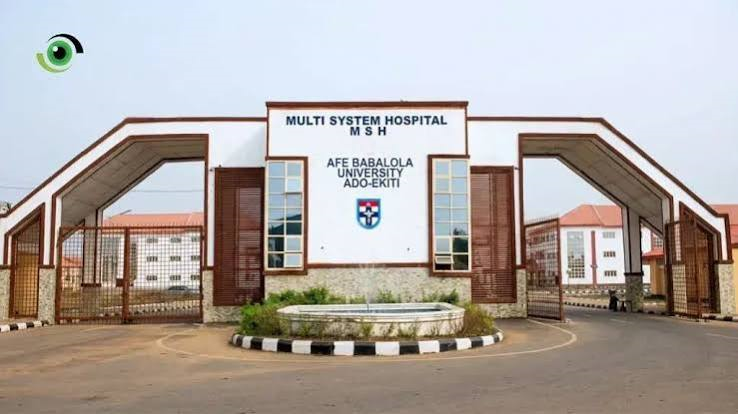
Babalola’s Farmer Support Hits N98m
Legal icon Aare Afe Babalola has disbursed N11.2 million to 81 outstanding farmers across Ekiti State's 16 local government areas, bringing total awards under his annual agricultural scheme since 2015 to N98 million.
 Agriculture
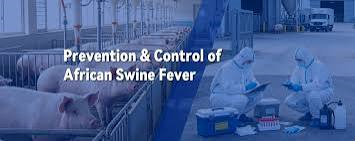
FG Launches African Swine Fever Control Campaign in Southwest
The Federal Government has launched a major African Swine Fever control and biosecurity campaign at the Oke-Aro Pig Farm Estate, distributing protective kits to farmers and pledging comprehensive training to prevent future outbreaks. The intervention by the Livestock Productivity and Resilience Support Project (L-PRES) targets one of Nigeria's largest pig production clusters, which has suffered devastating losses from the highly contagious disease in the past.
 Agriculture
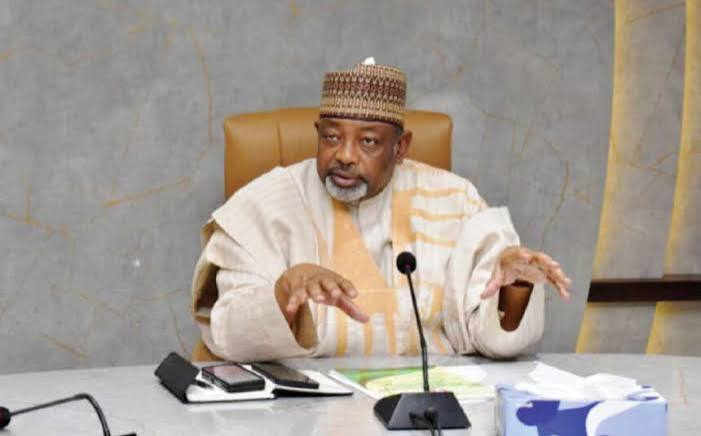
Kyari: More Farmland Won’t Feed 400 Million Nigerians
Agriculture Minister Abubakar Kyari says Nigeria must treat agricultural extension as critical infrastructure, disclosing that over 100,000 farmers already receive weekly digital advisories as the country's population heads toward 400 million by 2050.
Comments (0)
Leave a comment
All comments are moderated before publishing. Your email is never published.