
Plateau Govt Opposes Medical Treatment Request by Angwa Rukuba Massacre Suspect
The Plateau State Government has opposed a request for medical treatment made by one of the suspects standing trial for the Angwa Rukuba massacre, insisting that the prosecution must proceed without further delay
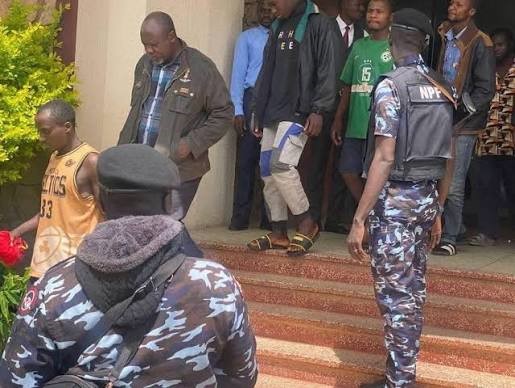
Plateau State Government has firmly opposed a request by one of the suspects being prosecuted for the Angwa Rukuba massacre for medical treatment, insisting that the trial should proceed without further interruptions.
The state government's opposition to the medical treatment request has been formally communicated to the court, with prosecutors arguing that the request appeared to be a delay tactic aimed at frustrating the ongoing prosecution of the suspects.
The Angwa Rukuba massacre, which occurred in Jos, the Plateau State capital, resulted in the deaths of several persons and left many others injured, drawing widespread condemnation and calls for justice from various quarters.
The incident, which was one of the most tragic events witnessed in the state in recent times, sparked significant grief, outrage, and demands for the perpetrators to be brought to justice.
Following extensive investigations by security agencies, several suspects were arrested and formally charged before the court for their alleged roles in the massacre.
The ongoing trial has been closely followed by various stakeholders, including families of the victims, civil society organisations, human rights groups, community leaders, and the wider public.
The Plateau State Government has consistently reaffirmed its commitment to ensuring that justice is served for the victims and their families, stressing that the perpetrators of the massacre must be held accountable.
The government's opposition to the medical treatment request is being viewed against the backdrop of these commitments, with prosecutors arguing that any delay in the trial could undermine the pursuit of justice.
According to the prosecution, the request for medical treatment, if granted, could disrupt the trial and provide an opportunity for the suspect to potentially evade justice or seek other means of manipulating the process.
The prosecution has, however, indicated its readiness to consider legitimate medical concerns, provided they are properly established and do not compromise the integrity of the ongoing trial.
The court is expected to consider the arguments from both the prosecution and the defence before making a determination on the medical treatment request.
Legal experts have noted that such requests are common in criminal trials, particularly in high-profile cases, and require careful consideration to balance the rights of the accused with the demands of justice.
They have also emphasised the importance of the courts handling such requests professionally, with due regard for medical evidence, the seriousness of the charges, and the overall interests of justice.
The Angwa Rukuba massacre trial has, in recent months, generated significant public attention, with various stakeholders following the proceedings and calling for expeditious handling of the case.
Families of the victims have expressed hope that the trial would lead to justice being served, providing them with a measure of closure after the tragic incident.
Civil society organisations, human rights groups, and community leaders have also called for the trial to be handled expeditiously, transparently, and in line with the principles of due process and fair hearing.
The Plateau State Government has continued to engage with security agencies, the judiciary, and other stakeholders in ensuring that the trial is properly prosecuted and that the perpetrators of the massacre face the full weight of the law.
The state has also engaged with various initiatives aimed at addressing the underlying causes of the security challenges in Plateau State, including inter-communal disputes, farmer-herder conflicts, and other forms of violence.
Governor Caleb Mutfwang's administration has consistently emphasised its commitment to promoting peace, security, and reconciliation in the state, working with security agencies, traditional rulers, religious leaders, and community stakeholders.
Various initiatives have been rolled out to support these efforts, including engagement with the Federal Government on security matters, the deployment of state resources for community peace-building, and support for affected communities.
The Plateau State Peace Building Agency (PPBA), the Plateau State Emergency Management Agency (PSEMA), and other relevant bodies have been engaged in various interventions aimed at supporting affected communities and promoting sustainable peace in the state.
The Federal Government, through the Ministry of Interior, the Nigeria Police Force, the Armed Forces, and other relevant agencies, has continued to provide support to the state in addressing security challenges.
The proposed establishment of state police, which is currently under consideration by the National Assembly, has also been highlighted as a potential measure that could enhance the state's capacity to address its unique security challenges.
The Nigerian judicial system has, in recent times, been the subject of significant public discourse, particularly with respect to the handling of high-profile cases, the pace of adjudication, and the effectiveness of criminal prosecutions.
Various stakeholders have called for reforms in the judicial system, including improvements in case management, the deployment of technology, and the strengthening of judicial capacity to handle the growing number of cases before the courts.
The judiciary has, over the years, embarked on various reforms aimed at improving the efficiency of the courts, including the introduction of electronic case management systems, the deployment of virtual court hearings, and improvements in court administration.
The Supreme Court of Nigeria and other superior courts have also engaged in various initiatives aimed at modernising the country's judicial processes and ensuring that justice is delivered promptly and effectively.
The Federal High Court and other courts of first instance across the country have similarly implemented various reforms aimed at improving their operations and enhancing public confidence in the judicial system.
The Angwa Rukuba massacre trial is one of many high-profile cases currently being handled by the courts, each contributing to the broader tapestry of the country's judicial developments.
The outcome of the case, when it is eventually determined, will provide important context for understanding the specific issues at stake and the broader implications for the pursuit of justice in the country.
Various stakeholders have called for the case to be handled with the seriousness it deserves, given the significant loss of lives and the impact on affected communities.
They have also called for the protection of the rights of all parties involved, adherence to due process, and the delivery of justice in line with the principles of fairness and equity.
The Plateau State Government has, on its part, reaffirmed its commitment to ensuring that the trial is prosecuted expeditiously, with all necessary resources deployed to support the process.
The government has also engaged with the families of the victims, providing support and assurance that justice would be pursued vigorously through the courts.
Various community leaders, religious authorities, and civil society organisations in Plateau State have also engaged with the affected families, providing support and advocating for the swift resolution of the case.
The role of the courts in delivering justice for the victims and their families, holding the perpetrators accountable, and setting appropriate precedents for future cases remains critical to the broader efforts to address security challenges in the state.
Legal experts have called for the various stakeholders involved in the case to respect the court process, allow the matter to be handled according to established legal procedures, and refrain from making comments that could influence the proceedings.
They have also emphasised the importance of maintaining a professional and dignified approach to the trial, particularly given the significant public attention the case has attracted.
The Plateau State Government's opposition to the medical treatment request is part of its broader efforts to ensure that the trial proceeds without unnecessary delays, in line with the principles of justice.
The court is expected to consider the arguments presented by both sides and make a determination that balances the rights of the accused with the demands of justice.
As the trial continues, attention will remain on the actions of the court, the responses of the parties, and the broader implications for the pursuit of justice in Plateau State.
Various stakeholders, including families of the victims, civil society organisations, human rights groups, community leaders, and members of the general public, are expected to continue to follow the case closely.
The delivery of justice in the Angwa Rukuba massacre case is being viewed as an important step in the broader efforts to address the security challenges facing Plateau State and promote peace, reconciliation, and stability in the region.
The state government has also engaged with various programmes aimed at supporting affected communities, including the provision of humanitarian assistance, medical care, psychological support, and economic empowerment initiatives.
Various stakeholders, including federal agencies, international partners, and non-governmental organisations, have contributed to these efforts, providing critical support to affected communities.
The rebuilding of affected communities, the restoration of livelihoods, and the promotion of peaceful coexistence remain central to the state government's agenda for addressing the aftermath of security incidents.
Plateau State, which is part of Nigeria's mineral-rich Middle Belt, has continued to be a focal point of security concerns, with the state experiencing recurring incidents of violence over the years.
The state's diverse ethnic and religious composition, coupled with disputes over land, resources, and access to economic opportunities, has often contributed to the complex security dynamics in the area.
Successive administrations have rolled out various initiatives aimed at addressing these challenges, including peace-building efforts, security deployments, economic interventions, and dialogue-driven reconciliation programmes.
However, despite these efforts, the state has continued to witness incidents of violence, with each incident underscoring the urgent need for sustained, comprehensive, and effective approaches to addressing the underlying causes of the conflicts.
The Angwa Rukuba massacre was one such incident, with far-reaching implications for affected communities and the broader security landscape in the state.
The successful prosecution of the suspects in the case is expected to send a strong signal about the state government's commitment to holding perpetrators of violence accountable and pursuing justice for victims.
It is also expected to contribute to the broader efforts to promote peace, reconciliation, and stability in Plateau State and the wider Middle Belt region.
The Plateau State Government, security agencies, the judiciary, and other stakeholders are expected to continue to work closely in advancing these objectives, with the ongoing trial serving as a critical component of the broader agenda.
As the trial progresses, various stakeholders will continue to closely follow the developments, with the ultimate goal of ensuring that justice is served and that the affected communities receive the support they need to rebuild their lives.
The judiciary's role in delivering fair, timely, and effective justice remains critical to the broader efforts to address the country's security challenges and promote sustainable peace and development.
GNA will continue to monitor developments in the Angwa Rukuba massacre trial, providing updates on the progress of the case, the responses of the parties, and the broader implications for justice, peace, and security in Plateau State.
Nigerians are being encouraged to remain informed about the case, engage constructively with the issues at stake, and support the various efforts aimed at strengthening the country's judicial and security institutions.
The pursuit of justice for the victims of the Angwa Rukuba massacre, along with the broader efforts to address the country's security challenges, remains a shared responsibility that requires the collective engagement of all stakeholders.
As the trial continues, GNA joins in the call for adherence to due process, respect for the rights of all parties, and the effective delivery of justice in line with the principles of fairness and equity.
The delivery of justice for the victims and their families is not only a matter of legal accountability but also a critical component of the broader efforts to promote healing, reconciliation, and lasting peace in Plateau State and the country as a whole.
Related stories
 News
News
Court Grants N5 Million Bail to Social Media Critic Accused of Insulting Akpabio
A court has granted N5 million bail to a social media critic who was arrested and charged for allegedly insulting the Senate President, Godswill Akpabio, on various online platforms
 News
News
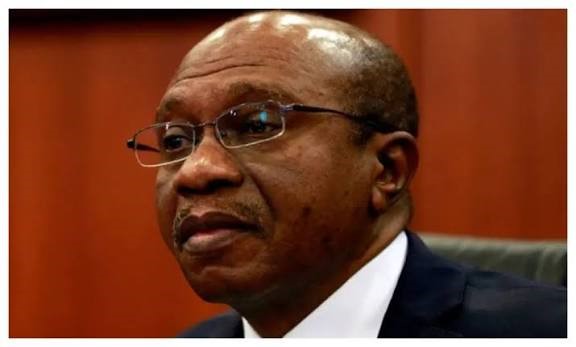
Emefiele Did Not Personally Benefit from $6.2m Stolen CBN Funds — EFCC Witness
A witness for the Economic and Financial Crimes Commission (EFCC) has told the court that former Central Bank of Nigeria (CBN) Governor, Godwin Emefiele, did not personally benefit from the $6.2 million alleged to have been stolen from the CBN
 News
News
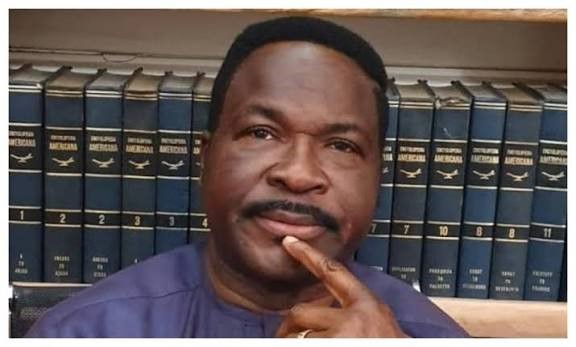
Court Grants Chief Mike Ozekhome (SAN) Permission for Six-Week Medical Trip to UK
A court has granted senior lawyer, Chief Mike Ozekhome (SAN), permission to travel to the United Kingdom for a six-week medical trip, following an application by his legal team.
 News
News
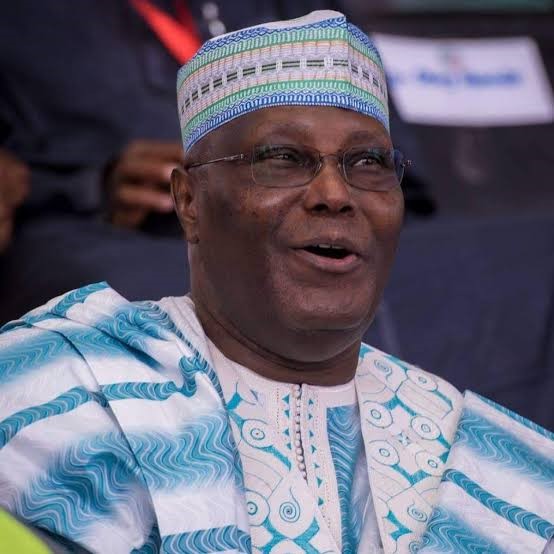
Atiku Commends Judiciary's Courage for Upholding David Mark's ADC Leadership
Former Vice President Atiku Abubakar has commended the judiciary for what he described as its courage in upholding the leadership of the African Democratic Congress (ADC) under former Senate President, Senator David Mark
Comments (0)
Leave a comment
All comments are moderated before publishing. Your email is never published.