
Emefiele Did Not Personally Benefit from $6.2m Stolen CBN Funds — EFCC Witness
A witness for the Economic and Financial Crimes Commission (EFCC) has told the court that former Central Bank of Nigeria (CBN) Governor, Godwin Emefiele, did not personally benefit from the $6.2 million alleged to have been stolen from the CBN
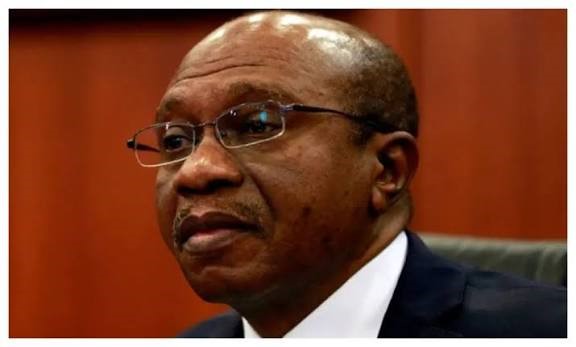
A witness testifying on behalf of the Economic and Financial Crimes Commission (EFCC) has stated that former Central Bank of Nigeria (CBN) Governor, Mr. Godwin Emefiele, did not personally benefit from the $6.2 million said to have been stolen from the apex bank, in a significant development in the ongoing corruption trial against him.
The testimony, which was given during proceedings before the court, has been described as a major development in the various legal proceedings surrounding the former CBN Governor, with implications for the specific charges being prosecuted against him.
According to the witness, the funds in question, though allegedly diverted from the CBN, did not end up in the personal accounts, possession, or use of Mr. Emefiele, based on the findings of the investigation conducted by the anti-graft agency.
The witness, who was called to testify as part of the prosecution's case, provided details about the specific transactions, the flow of the funds, and the identified beneficiaries, based on the findings of the EFCC's investigation.
The testimony has drawn significant attention from various stakeholders, including legal experts, political observers, civil society organisations, and members of the public, who have been closely following the various legal proceedings involving the former CBN Governor.
The revelation is expected to have implications for the specific charges being prosecuted against Mr. Emefiele in relation to the $6.2 million, with the defence team likely to leverage the testimony in its arguments.
The court proceedings have continued to unfold, with various witnesses being called by both the prosecution and the defence to provide testimony and evidence relating to the various allegations against the former CBN Governor.
Mr. Godwin Emefiele served as the Governor of the Central Bank of Nigeria from 2014 to 2023, a period that spanned two administrations and was marked by various developments in the country's monetary policy, financial sector regulation, and broader economic management.
His tenure was characterised by various policy initiatives, including the introduction of the currency redesign policy, the implementation of foreign exchange management interventions, the promotion of financial inclusion, and various other engagements with the country's economic landscape.
Following the end of his tenure, Mr. Emefiele has been the subject of various legal proceedings, with the EFCC and other anti-graft agencies investigating and prosecuting him on various allegations relating to his stewardship at the apex bank.
The various legal proceedings have drawn significant public attention, with the developments being closely followed by observers, analysts, and members of the public.
The trial of the former CBN Governor is being handled by various courts, with the proceedings unfolding in accordance with the established legal procedures and principles of due process.
The EFCC, as the prosecuting agency, has been engaged in presenting its case, calling witnesses, and providing evidence to support the various charges brought against Mr. Emefiele.
The defence team, on its part, has been actively engaged in challenging the prosecution's case, presenting alternative arguments, and defending the former CBN Governor against the various allegations.
The specific case involving the alleged $6.2 million stolen from the CBN is one of several matters being prosecuted against Mr. Emefiele, with various other charges also under consideration in different courts.
The witness's testimony that the former CBN Governor did not personally benefit from the alleged stolen funds is expected to be a significant factor in the court's consideration of the specific case.
Legal experts have noted that such testimonies, particularly from prosecution witnesses, can significantly influence the outcome of criminal cases, with the courts giving due consideration to all relevant evidence and testimony.
They have also emphasised the importance of the courts handling such matters with professionalism, objectivity, and adherence to due process, stressing that these principles are critical to the integrity of the criminal justice system.
The Economic and Financial Crimes Commission (EFCC), as the primary anti-graft agency in the country, has been at the forefront of investigating and prosecuting various cases of corruption, financial crimes, and other economic offences.
The commission has, over the years, engaged with various high-profile cases, including those involving former public officials, businessmen, and other prominent figures.
The prosecution of the former CBN Governor represents one of the most significant cases undertaken by the commission in recent times, given the profile of the accused and the amounts involved in the various allegations.
Various stakeholders have called on the commission to handle the case with the seriousness it deserves, while also ensuring that the rights of the accused are respected and due process is followed.
Civil society organisations, human rights groups, and pro-democracy advocates have continued to engage with issues relating to the fight against corruption, calling for the strengthening of the country's anti-graft institutions and the effective prosecution of corruption cases.
The Federal Government has, on various occasions, reaffirmed its commitment to the fight against corruption, with various initiatives being rolled out to strengthen the country's anti-graft framework.
President Bola Ahmed Tinubu's administration has continued to emphasise its commitment to promoting accountability, transparency, and the prudent management of public resources.
Various interventions have been implemented, including the strengthening of the country's anti-graft agencies, the improvement of asset recovery mechanisms, the reform of the public financial management system, and the promotion of ethical standards in public service.
The EFCC, the Independent Corrupt Practices and Other Related Offences Commission (ICPC), the Code of Conduct Bureau (CCB), and other agencies have continued to play significant roles in these various initiatives.
The current trial of the former CBN Governor is being viewed by many observers as an important test case for the country's anti-graft efforts, with the outcome expected to have significant implications for the broader fight against corruption.
Various stakeholders have called for the case to be handled with due diligence, professionalism, and adherence to the principles of fair hearing, natural justice, and the rule of law.
They have also called on the various parties involved in the case, including the prosecution, the defence, and the court, to work together in ensuring that the trial is conducted in a manner that upholds the integrity of the criminal justice system.
The Nigerian judicial system has continued to engage with various reforms aimed at improving the effectiveness of the courts, particularly in handling high-profile cases involving corruption and financial crimes.
Various initiatives have been undertaken, including the establishment of specialised courts, the deployment of technology to support case management, and the training of judicial officers on complex financial crimes.
The Supreme Court of Nigeria, the Court of Appeal, and other courts at various levels have engaged in these various reforms, with implications for the delivery of justice in complex cases.
The trial of the former CBN Governor is one of many cases benefiting from these various reforms, with the courts working to ensure that such cases are handled in a manner that upholds the principles of justice and due process.
The witness's testimony that Mr. Emefiele did not personally benefit from the alleged stolen funds is being viewed as an important development in the specific case involving the $6.2 million.
However, various stakeholders have cautioned against drawing premature conclusions from the testimony, stressing that the court would consider all the evidence, testimonies, and legal arguments before making its final determination.
The trial is expected to continue with the presentation of further evidence, the calling of additional witnesses, and the various legal arguments being made by the prosecution and the defence.
The court will ultimately be responsible for weighing all the evidence, considering the applicable laws, and delivering a judgment based on the merits of the case.
Legal experts have called on all parties involved in the case to allow the court to determine the matter without undue influence, respecting the court process and the principles of due process.
They have also emphasised the importance of the media handling the case with objectivity and professionalism, ensuring that public discourse does not unduly influence the court's deliberations.
Various stakeholders have continued to engage with the developments in the case, offering perspectives, analyses, and contributions to the ongoing discussions.
The various legal proceedings involving the former CBN Governor have generated significant public discourse, with various observers weighing in on the specific allegations, the legal proceedings, and the broader implications for the country's anti-graft efforts.
Some observers have called for the case to be resolved expeditiously, stressing that prolonged legal proceedings could undermine public confidence in the criminal justice system.
Others have emphasised the importance of thorough investigations, comprehensive presentations, and careful consideration of all relevant evidence, arguing that the pursuit of justice should not be rushed.
The courts, on their part, have continued to engage with the various cases involving the former CBN Governor, applying the established legal procedures and principles in handling the matters before them.
The Federal Government has, through the Office of the Attorney-General of the Federation and Minister of Justice, continued to support the effective prosecution of various corruption cases, in line with the administration's commitment to the fight against corruption.
Various international partners, including foreign governments, multilateral institutions, and international organisations, have also engaged with Nigeria's anti-graft efforts, providing technical support, capacity building, and other forms of assistance.
The role of international cooperation in the fight against corruption has continued to be emphasised, particularly given the transnational nature of many financial crimes and the importance of collaboration in asset recovery and prosecution.
Various stakeholders have called for sustained investment in the country's anti-graft framework, including the strengthening of the anti-graft agencies, the reform of relevant laws, and the improvement of institutional capacity.
The Attorney-General of the Federation and the Minister of Justice have engaged with various initiatives aimed at strengthening the country's legal and prosecutorial framework, with implications for the effective handling of corruption cases.
The Federal Ministry of Justice, the various anti-graft agencies, and other relevant bodies have continued to work together in advancing the country's anti-graft agenda.
Civil society organisations, human rights groups, and other stakeholders have continued to engage with these efforts, offering support, monitoring developments, and advocating for reforms.
The witness's testimony in the case involving the former CBN Governor is being viewed against this broader context, with implications for the specific case and the broader conversations about the country's anti-graft efforts.
Various observers have called for the case to be handled with due diligence and professionalism, ensuring that the outcome reflects the merits of the case, the applicable laws, and the principles of justice.
They have also emphasised the importance of the courts maintaining their independence, integrity, and objectivity in handling the various cases before them, particularly those involving high-profile figures.
The court proceedings will continue in the coming days, with further witnesses expected to be called and various legal arguments to be made by both the prosecution and the defence.
The public and various stakeholders will continue to closely follow the developments, with the outcome of the case expected to have significant implications for the country's anti-graft efforts and the broader conversations about accountability and public integrity.
The former CBN Governor's legal team is expected to continue its engagement with the case, presenting its arguments, calling witnesses, and defending Mr. Emefiele against the various allegations.
The prosecution, led by the EFCC, is also expected to continue its engagement with the case, presenting its case, calling additional witnesses, and providing further evidence to support the various charges.
The court will ultimately be responsible for determining the outcome of the case based on the merits, the applicable laws, and the principles of justice.
Various stakeholders will continue to engage with the developments, offering perspectives, analyses, and contributions to the ongoing discussions.
GNA will continue to monitor the developments in the case, providing updates on the various proceedings, testimonies, and other significant developments as they unfold.
The witness's testimony that Mr. Emefiele did not personally benefit from the alleged stolen funds is one of many developments in the ongoing trial, with various other developments expected in the coming weeks and months.
The Nigerian judicial system, the EFCC, the defence team, and other stakeholders will continue to engage with the case, working towards its resolution in accordance with the established legal procedures.
Various observers, including legal experts, political analysts, civil society organisations, and members of the public, are expected to continue to engage with the developments in the case, contributing to the broader conversations about the country's anti-graft efforts.
The outcome of the case, whenever it is determined, will provide important context for understanding the specific issues at stake and the broader implications for the country's fight against corruption.
Until then, all parties involved in the case are expected to respect the court process, allow the matter to be handled according to the established legal procedures, and refrain from making comments that could unduly influence the proceedings.
The role of the courts in delivering fair, timely, and effective justice remains critical to the broader efforts to strengthen the country's institutions, promote accountability, and build public confidence in the criminal justice system.
Various stakeholders have called for continued support for the country's anti-graft institutions, the effective prosecution of corruption cases, and the strengthening of the overall framework for combating financial crimes.
The current trial of the former CBN Governor is one of many high-profile cases being handled by the courts, each contributing to the broader tapestry of Nigeria's legal and judicial developments.
The outcome of the case, when it is eventually determined, will provide important context for understanding the specific issues at stake and the broader implications for the country's anti-graft efforts.
Until then, GNA joins in the call for adherence to due process, respect for the court process, and the effective delivery of justice in line with the principles of fairness and equity.
The delivery of justice in the case is not only a matter of legal accountability but also a critical component of the broader efforts to strengthen the country's institutions, promote transparency, and build public confidence in the fight against corruption.
Various stakeholders will continue to engage with the developments, offering support for the country's anti-graft efforts and contributing to the broader conversations about accountability and public integrity.
The Federal Government, the various anti-graft agencies, the judiciary, civil society organisations, the media, and citizens all have important roles to play in advancing the country's anti-graft agenda.
The collective efforts of these various stakeholders remain critical to the success of the country's anti-graft efforts and the broader project of building a stronger, more accountable, and more prosperous Nigeria.
GNA will continue to provide updates on the developments in the case involving the former CBN Governor, keeping Nigerians informed and engaged with the ongoing conversations and developments.
The trial represents an important test for the country's anti-graft framework, with the outcome expected to have significant implications for the broader fight against corruption and the strengthening of accountability in public service.
As the trial continues, various stakeholders will remain closely engaged with the developments, contributing to the ongoing conversations and offering perspectives on the various issues at stake.
The witness's testimony, the various other developments in the case, and the eventual outcome will all form part of the broader story of Nigeria's fight against corruption and the ongoing efforts to strengthen the country's institutions and systems.
Related stories
 News
News
Court Grants N5 Million Bail to Social Media Critic Accused of Insulting Akpabio
A court has granted N5 million bail to a social media critic who was arrested and charged for allegedly insulting the Senate President, Godswill Akpabio, on various online platforms
 News
News
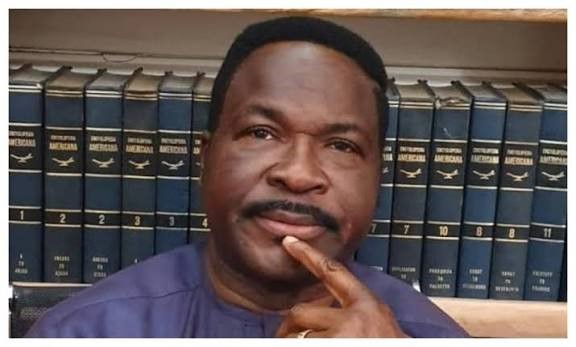
Court Grants Chief Mike Ozekhome (SAN) Permission for Six-Week Medical Trip to UK
A court has granted senior lawyer, Chief Mike Ozekhome (SAN), permission to travel to the United Kingdom for a six-week medical trip, following an application by his legal team.
 News
News
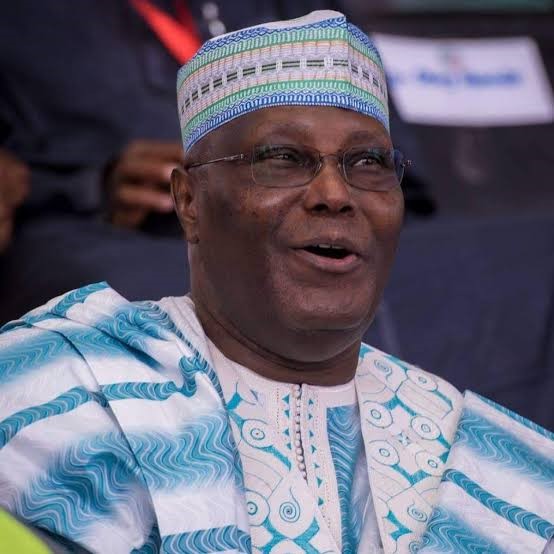
Atiku Commends Judiciary's Courage for Upholding David Mark's ADC Leadership
Former Vice President Atiku Abubakar has commended the judiciary for what he described as its courage in upholding the leadership of the African Democratic Congress (ADC) under former Senate President, Senator David Mark
 News
News
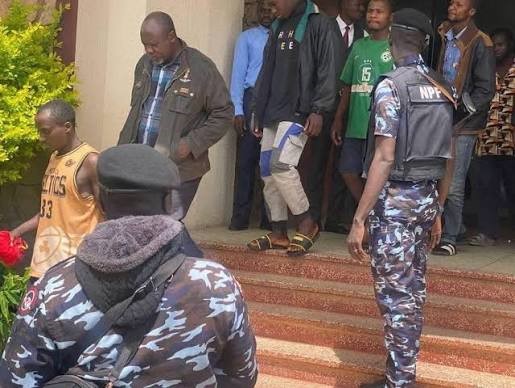
Plateau Govt Opposes Medical Treatment Request by Angwa Rukuba Massacre Suspect
The Plateau State Government has opposed a request for medical treatment made by one of the suspects standing trial for the Angwa Rukuba massacre, insisting that the prosecution must proceed without further delay
Comments (0)
Leave a comment
All comments are moderated before publishing. Your email is never published.