
Petrol at N1,350 Still Cheaper in Nigeria Than Neighbouring Countries — Dangote
Dangote says petrol selling at N1,350 per litre in Nigeria remains cheaper than prices in neighbouring countries, despite recent increases.
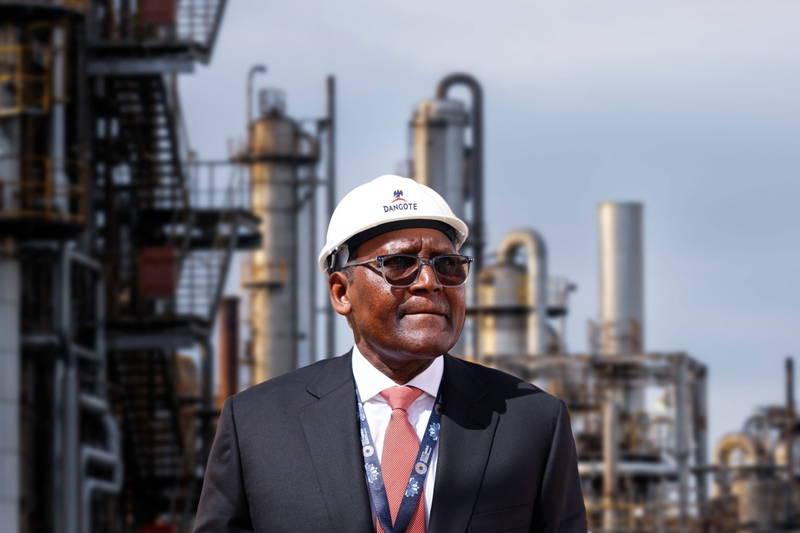
The President of Dangote Industries Limited, Aliko Dangote, has said petrol selling at about N1,350 per litre in Nigeria remains cheaper than the prevailing price of the commodity in neighbouring countries.
Dangote made the remark while speaking on developments in Nigeria’s downstream petroleum sector and the impact of market reforms on fuel pricing.
He said the current price should be considered in the context of prices being paid by consumers in countries surrounding Nigeria, where petrol is reportedly more expensive.
The businessman also highlighted the importance of domestic refining in reducing Nigeria’s dependence on imported petroleum products and strengthening energy security.
The commencement of operations at the Dangote Petroleum Refinery has significantly changed the structure of Nigeria’s fuel supply market, with the refinery producing refined petroleum products locally.
Dangote has repeatedly maintained that increased domestic refining capacity would reduce pressure on foreign exchange and help Nigeria retain more value within the economy.
The refinery, located in Lagos, has a processing capacity of 650,000 barrels of crude oil per day and is designed to produce products including petrol, diesel and aviation fuel.
The development comes amid continuing debates over petrol pricing following the removal of fuel subsidies and changes in the downstream petroleum market.
Fuel prices have remained a major concern for households and businesses because of their effect on transportation, food prices and the overall cost of living.
Dangote’s comments are likely to renew discussions about the competitiveness of petrol prices in Nigeria and the potential benefits of increased domestic production.
He stressed the need for policies that would encourage local refining and ensure that Nigeria fully benefits from its crude oil resources.
The businessman also maintained that developments in the refining sector could contribute to greater stability in the domestic fuel market.
As Nigeria continues to adjust to the post-subsidy era, the government, refiners and other industry stakeholders are expected to remain focused on improving supply, reducing costs and ensuring reliable access to petroleum products.
Sponsored

Related stories
 News
News
FAAC Shares N2.428trn Among FG, States, LGs as Statutory Revenue Rises
Nigeria’s FAAC has distributed N2.428 trillion in September revenue, with the Federal Government, states and local councils receiving their allocations.
 News
News
NPHCDA Completes Renovation of 3,526 Primary Healthcare Centres
The National Primary Health Care Development Agency says it has renovated and handed over 3,526 healthcare centres nationwide, with work continuing at 908 others to improve access to essential medical services.
 News
News
Army Destroys Lakurawa Camps in Sokoto, Kills Terrorists
Nigerian Army troops have destroyed Lakurawa terrorist camps in Waria Forest, Sokoto State, killing several fighters and recovering weapons and five motorcycles during a military operation.
 News
News
NHIA Raises Fee-for-Service Payments to Hospitals by 373 Per Cent
The National Health Insurance Authority has increased reimbursements to healthcare providers by 373 per cent and doubled capitation payments, as part of efforts to improve care quality, expand insurance coverage and restore public confidence.
Comments (0)
Leave a comment
All comments are moderated before publishing. Your email is never published.