
Peter Obi Blasts FG Over Education Crisis, Says Leadership Failure Is Nigeria's Biggest Problem
Peter Obi has criticised the Federal Government over Nigeria's education challenges, blaming weak leadership and poor spending priorities. He called for greater investment in education and human capital development as a pathway to national growth and poverty reduction.

Former presidential candidate Peter Obi has criticised the Federal Government over what he described as the worsening crisis in Nigeria's education sector, arguing that poor leadership and misplaced priorities continue to undermine the country's development. He said meaningful investment in education remains essential for reducing poverty and driving economic growth.
Speaking at a public lecture in Enugu, Obi lamented that Nigeria continues to allocate insufficient resources to education despite facing one of the highest numbers of out-of-school children in the world. He argued that government spending priorities do not reflect the critical role education plays in national development and human capital growth.
Obi expressed concern that education funding remains far below internationally recommended benchmarks, warning that inadequate investment in schools, teachers and learning infrastructure would continue to limit opportunities for millions of young Nigerians. He maintained that countries that have achieved rapid economic progress did so by prioritising human capital development alongside physical infrastructure.
According to the former Anambra State governor, Nigeria's persistent challenges in education, healthcare and other social sectors are symptoms of a broader leadership problem. He argued that competent and accountable leadership is necessary to ensure public resources are directed towards projects that improve the lives of citizens and create long-term national prosperity.
Obi called on leaders at all levels of government to place greater emphasis on education, innovation and youth development, insisting that sustained investment in people remains the most effective path to national transformation. He urged policymakers to adopt a long-term vision that prioritises learning and skills development as foundations for economic competitiveness.
Related stories
 News
News
Cape Verde Eyes Historic World Cup Upset Against Messi's Argentina
Cape Verde will look to continue its fairy-tale 2026 FIFA World Cup campaign when it faces defending champions Argentina in the quarter-finals. The underdogs are hoping to produce one of the biggest upsets in World Cup history against Lionel Messi's side.
 News
News
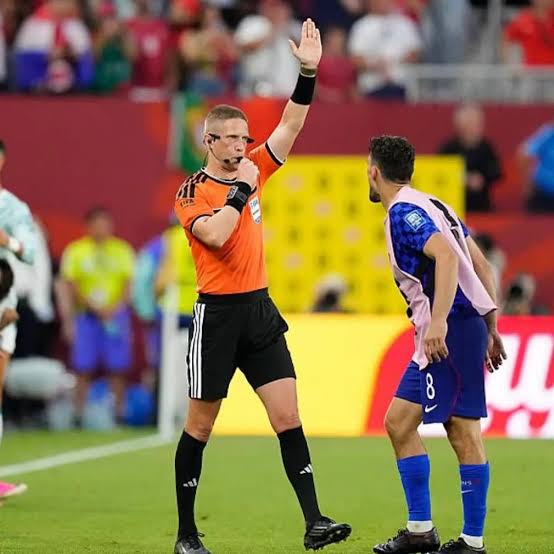
VAR Sparks Debate After Portugal's Quarter-Final Victory Over Croatia
Portugal reached the 2026 FIFA World Cup semi-finals after defeating Croatia, but the match was overshadowed by a controversial VAR decision that denied Croatia a late penalty, reigniting debate over the use of video technology in football.
 News
News
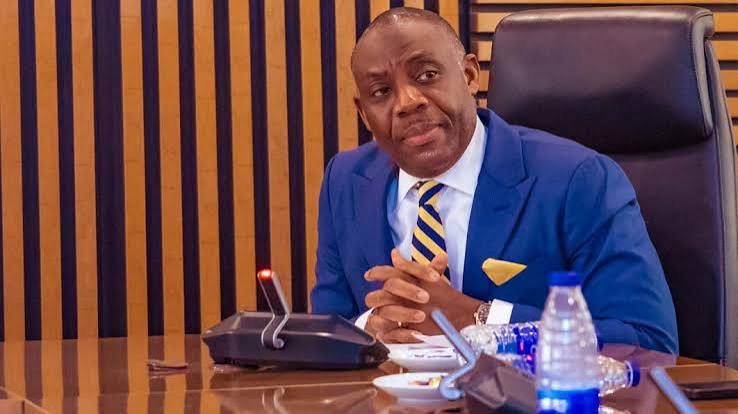
Ronaldo Marches On as Modrić Bows Out of the World Cup
Cristiano Ronaldo and Portugal advanced to the FIFA World Cup semi-finals, keeping their title hopes alive, while Luka Modrić's illustrious World Cup career came to an emotional end after Croatia's quarter-final exit.
 News
News
FG Unveils Programme to Boost University Funding, Global Competitiveness
The Federal Government has launched the National University Advancement Programme to improve university funding through alumni engagement, fundraising and strategic partnerships, with the goal of making Nigerian universities more financially sustainable and globally competitive.
Comments (0)
Leave a comment
All comments are moderated before publishing. Your email is never published.