
Pentagon Informs Legislators It Requires $80 Billion to Offset Middle East Military Operations, Domestic Priorities
The U.S. Pentagon has informed lawmakers that it requires an $80 billion supplemental funding package to cover the expenditures of the recent war with Iran and clear other domestic legislative bills.
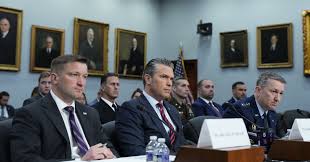
The United States Department of Defense has notified congressional leaders that it requires an additional $80 billion to balance its books, looking for funds to cover the extensive operational costs of the military conflict with Iran alongside several critical non-defense bills. The fiscal notification comes as lawmakers push the Trump administration for a thorough accounting of the war's total financial impact.
According to a report from the Wall Street Journal citing individuals close to the matter, Deputy Defense Secretary Stephen Feinberg outlined the urgent funding requirements in a series of direct phone calls to Capitol Hill lawmakers this week.
The defense chief indicated that a comprehensive supplemental spending bill, which will package the Pentagon’s urgent military requests together with vital domestic provisions such as agricultural aid and emergency disaster relief, is expected to be formally submitted to Congress within the coming days.
While a senior defense official had previously estimated in April that direct battlefield operations in the Middle East had consumed roughly $25 billion, the total long-term price tag of the conflict initiated by the administration on February 28 has remained heavily contested.
An initial, massive White House request seeking $200 billion in extra funding previously faced fierce pushback from a bipartisan coalition of lawmakers. Capitol Hill representatives have increasingly expressed concern that the prolonged operations have heavily depleted valuable American weapon stockpiles and conventional ammunition reserves that are critically needed to maintain strategic readiness in other global theaters.
The emerging $80 billion compromise bill arrives at a highly sensitive diplomatic moment, following the recent announcement of a tentative, 60-day interim truce brokered in Switzerland between Washington and Tehran.
Despite the fragile agreement mandating a mutual cessation of hostilities and a lifting of naval blockades to reopen the economically vital Strait of Hormuz, top budget officials emphasize that the requested supplemental funds remain absolutely necessary to restock depleted naval assets, cover ongoing troop deployment overheads, and fund the domestic emergency packages bound to the legislation.
Related stories
.jpeg) News
News
UNILAG Confirms Water Contamination In Female Hostel, Assures Students Of Action
The University of Lagos has confirmed cases of water contamination in one of its female hostels, sparking health concerns. The management assured students that urgent steps are being taken to address the situation and provide clean, safe water.
 News
News
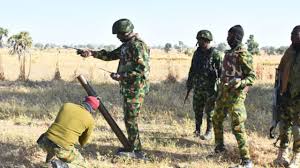
Military Offensive Neutralizes Bandit Enclaves in Katsina, Liberating Abductees Held in Forest Camp
A joint military operation involving the 17 Brigade Strike Group and special forces has successfully overran an enclave belonging to bandit kingpin Kachalla Muhammadu Fulani in Fafu Village, Katsina State.
 News
News
Factional Feud Triggers Legal Standoff as Dual Legal Teams Claim Representation for PDP in Suit Against INEC
A federal court hearing stalled in confusion after two separate legal teams showed up, both claiming to be the authentic counsel representing the Peoples Democratic Party (PDP) in a lawsuit against INEC.
 News
News
"We're Here for a Religious Crusade," Claim 25 Foreign Nationals Arrested by Lagos Police for Lacking Legal Residency
The Lagos State Police Command has arrested 25 undocumented immigrants during a targeted intelligence-led raid on an illegal residential hub in the state.
Comments (0)
Leave a comment
All comments are moderated before publishing. Your email is never published.