
No Vaccine For Latest Ebola Outbreak, DRC Warns As Death Toll Hits 80
No Vaccine For Latest Ebola Outbreak, DRC Warns As Death Toll Hits 80
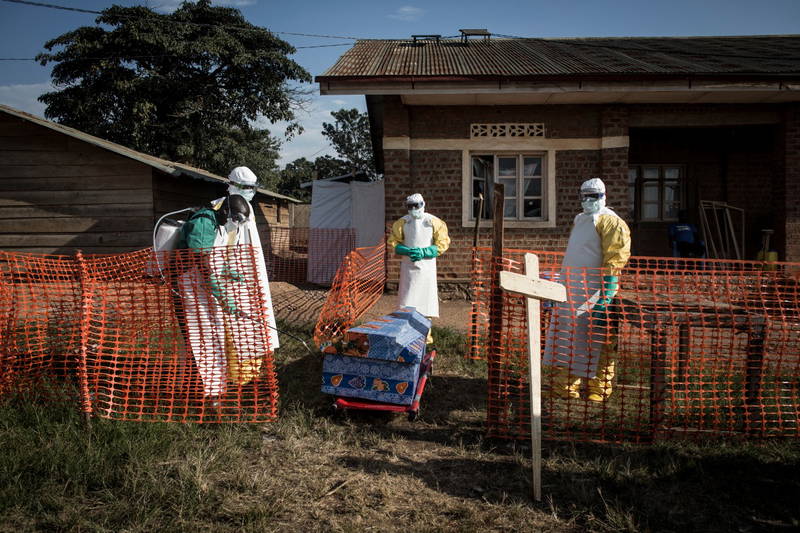
Health authorities in Democratic Republic of the Congo have raised fresh concerns over a new Ebola outbreak after confirming that there is currently no vaccine or specific treatment for the Bundibugyo strain responsible for the latest infections.
The country’s Health Minister, Samuel-Roger Kamba, disclosed this during a press briefing in Kinshasa on Saturday.
According to him, the strain has a “very high lethality rate” which could reach 50 percent.
“The Bundibugyo strain has no vaccine, no specific treatment,” Kamba stated while addressing journalists.
Officials also confirmed that the death toll from the outbreak had risen to 80, up from the 65 deaths initially reported a day earlier.
The latest outbreak has already spread beyond the DRC, with neighbouring Uganda recording one fatality linked to the virus.
Ugandan health authorities said the victim, a 59-year-old Congolese national, died in Kampala after being admitted earlier in the week. His body was later repatriated to the DRC.
Medical tests reportedly confirmed that the deceased was infected with the Bundibugyo strain of Ebola, first identified in 2007.
Health experts explained that existing Ebola vaccines are only effective against the Zaire strain, which was first discovered in 1976 and has an even higher fatality rate ranging between 60 and 90 percent.
The latest outbreak was officially confirmed in Ituri Province in northeastern DRC, a region bordering Uganda and South Sudan.
The Africa Centres for Disease Control and Prevention had earlier warned about the outbreak, citing concerns over significant cross-border movement in the affected region.
According to Kamba, the index patient was a nurse who visited a health facility in Bunia, the provincial capital of Ituri, on April 24 with symptoms associated with Ebola.
Authorities fear the movement of people across borders could increase the risk of wider regional transmission if urgent containment measures are not strengthened.
Health officials in both countries have intensified surveillance, contact tracing and emergency response efforts to contain the spread of the deadly virus.
Sponsored
Related stories
 Health
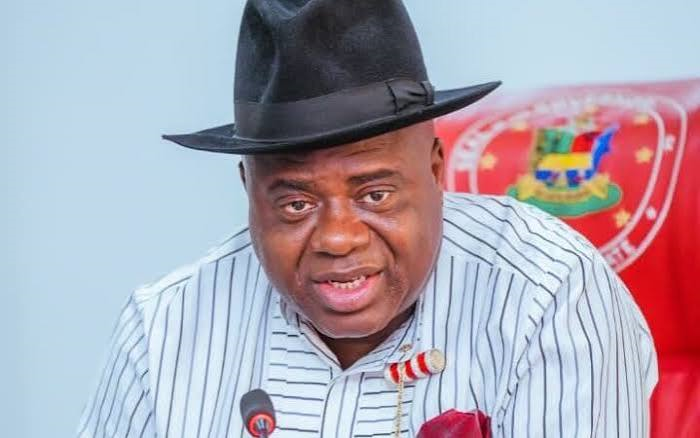
Diri Orders Free Quarterly Health Checks for All Bayelsa Residents at Secondary Facilities
Governor Douye Diri has directed Bayelsa's Ministry of Health to begin free quarterly medical check-ups across all eight local government areas, aimed at helping residents who cannot afford routine screening and promoting early detection of diseases.
 Health
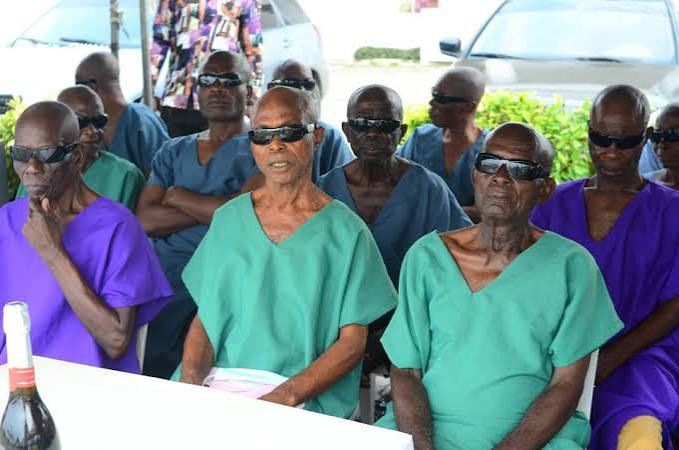
‘Priceless Gift of Sight’ Reaches 400,000 Beneficiaries
FCMB and the Tulsi Chanrai Foundation say their 15-year eye care partnership has reached over 400,000 Nigerians, as a World Sight Day roundtable in Abuja pushes for private-sector funding to sustain and expand care.
 Health
FUNAAB Launches Africa’s First AI Disease Surveillance System
Researchers at the Federal University of Agriculture, Abeokuta, have developed IDS-Master, a groundbreaking AI-powered surveillance system that detects infectious disease outbreaks in real time by analysing reports from community leaders, health agents, and ordinary residents. Described as Africa's first fully AI-driven event-based surveillance platform, the innovation promises to bridge critical gaps in outbreak detection across underserved rural communities where delays in reporting can cost l
 Health
NAFDAC Seeks Global Partners for Local Vaccine Production
The Director-General of the National Agency for Food and Drug Administration and Control (NAFDAC), Prof. Mojisola Adeyeye, has called on international partners to support the establishment of vaccine manufacturing facilities in Nigeria, saying local production is the missing link in the agency’s push to attain World Health Organisation Maturity Level 4 for vaccine lot release. She spoke at the 8th Nigeria Pharma Manufacturers’ Expo in Lagos, where she commended President Bola Tinubu’s Executive
Comments (0)
Leave a comment
All comments are moderated before publishing. Your email is never published.