
Nigerian Farmers Say Climate Change Made 2025 Their Worst Year Yet
Nigerian farmers are warning that 2025 was their hardest farming year in decades, blaming climate change‑driven heat, drought and flooding for devastating yields, rising costs and deepening rural poverty, and calling for urgent government support and adaptation measures.
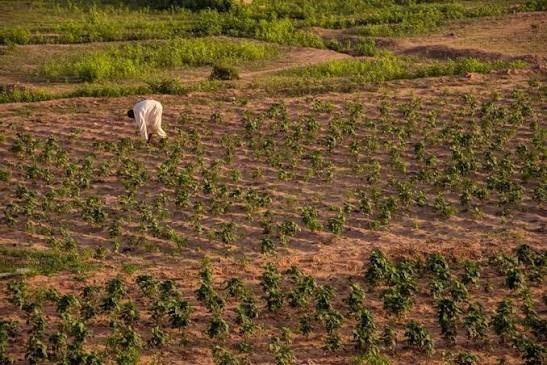
The article you shared reports that many farmers now see 2025 as their worst year because climate change has turned once‑predictable seasons into a sequence of extremes. They describe how planting and harvest calendars they relied on for generations no longer match what actually happens on their land: rains arrive too late or too early, dry spells are longer, and sudden floods wipe out fields in a matter of days. For them, climate change is no longer an abstract global issue; it is a daily, local crisis that decides whether their families eat, whether loans can be repaid, and whether they stay in farming at all.
Across 2025, farmers faced a combination of record heat, extended drought and episodes of intense rainfall that together hammered crop yields. Reports from broader agricultural analyses show that in some regions harvests fell by around 20–25% compared with the long‑term average, particularly for cereals and oilseeds. For Nigerian farmers in the article, the story is similar: maize, rice, cassava and vegetables suffered stress at key growth stages, while livestock producers struggled with dried‑up water sources and poor pasture quality. Lower yields meant less produce to sell at market, weakening household income even as input prices—seeds, fertiliser, fuel—continued to rise.
Farmers also highlight how back‑to‑back extreme years have compounded the damage. In many countries, analyses show that 2024 was marked by heavy rains and flooding that ruined fields, followed by 2025’s searing heat and drought. The article echoes this pattern: land that was waterlogged one season became parched the next, leaving farmers unable to recover. When fields are flooded, they lose seed and labour; when the next year is dry, they lose the chance to rebuild savings and restore soil health. This cumulative pressure is persuading some to question whether they can still make a living from agriculture in a fast‑changing climate.
Economically, 2025’s climate shocks translated into sharp revenue losses. In wider research, arable producers have seen estimated income drops of about 20% overall, with some crops—such as oilseed rape—losing more than a third of expected revenue. For Nigerian farmers, the article suggests a parallel reality: reduced harvests, damaged infrastructure (like rural roads and storage), and greater reliance on expensive emergency measures (such as buying feed or replanting) all eroded profitability. Many farmers took on new debt just to get through the season, making them more vulnerable to the next climate shock.
The psychological toll is clear in the way farmers talk about 2025. Surveys and interviews in similar contexts show more than 80% of farmers are now worried about climate change’s impact on their ability to make a living. The article captures this mood: farmers describe fear each time clouds form or disappear, frustration at watching carefully nurtured crops fail, and anger that they feel largely unsupported despite warnings about climate risks for years. Some speak of younger family members leaving rural areas entirely because continued farming seems too uncertain.
At the same time, the piece points to possible paths forward. Agricultural climate‑impact guides emphasise adaptation strategies such as shifting to more climate‑resilient crop varieties, improving irrigation and water harvesting, diversifying income sources, and using better climate information services to guide planting decisions. Farmers in the article call on government and private actors to help fund and disseminate such measures—through extension services, credit for climate‑smart technologies, insurance schemes, and investments in rural infrastructure that can withstand floods and heat. They argue that without this support, the country’s food security will remain at risk as climate extremes intensify.
Ultimately, the article’s core message is that for farmers, climate change turned 2025 from just “a bad year” into a warning that the old normal is gone. Their experience matches wider evidence that extreme weather—floods, droughts, heatwaves—is already reshaping harvests and food prices, not at some distant future date, but right now. They are urging leaders to treat this as a national priority: protect farmers, invest in adaptation, and build a food system that can survive a climate that is no longer stable.
Sponsored

Related stories
 Agriculture
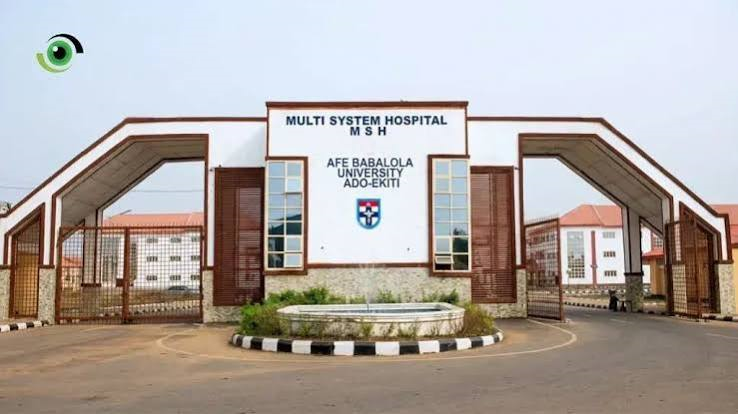
Babalola’s Farmer Support Hits N98m
Legal icon Aare Afe Babalola has disbursed N11.2 million to 81 outstanding farmers across Ekiti State's 16 local government areas, bringing total awards under his annual agricultural scheme since 2015 to N98 million.
 Agriculture
FG Launches African Swine Fever Control Campaign in Southwest
The Federal Government has launched a major African Swine Fever control and biosecurity campaign at the Oke-Aro Pig Farm Estate, distributing protective kits to farmers and pledging comprehensive training to prevent future outbreaks. The intervention by the Livestock Productivity and Resilience Support Project (L-PRES) targets one of Nigeria's largest pig production clusters, which has suffered devastating losses from the highly contagious disease in the past.
 Agriculture
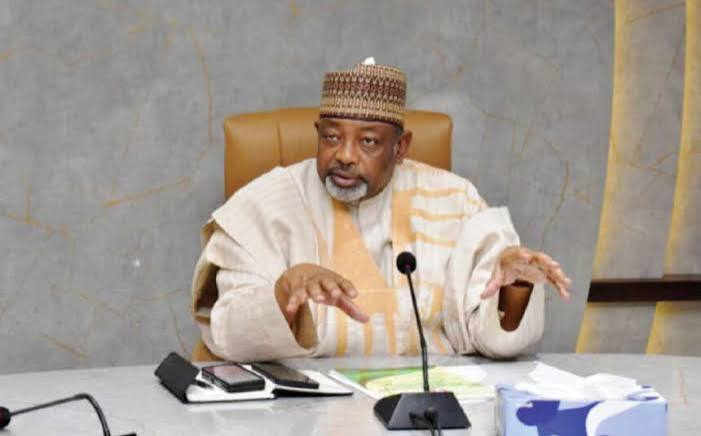
Kyari: More Farmland Won’t Feed 400 Million Nigerians
Agriculture Minister Abubakar Kyari says Nigeria must treat agricultural extension as critical infrastructure, disclosing that over 100,000 farmers already receive weekly digital advisories as the country's population heads toward 400 million by 2050.
 Agriculture
Farmland Expansion Alone Won’t Feed Nigeria
Agriculture Minister Abubakar Kyari says Nigeria must shift to demand-driven, AI-enabled agricultural extension services to boost farm yields, warning that expanding farmland alone can no longer feed the country's growing population.
Comments (0)
Leave a comment
All comments are moderated before publishing. Your email is never published.