
Nigeria Unveils 10-Year Agrifood Roadmap Targeting Food Sovereignty, Poverty Reduction and $100bn Investment
Nigeria has unveiled a 10-year agrifood roadmap that aims to strengthen food sovereignty, reduce poverty, attract $100 billion in investment and align national agriculture policy with the African Union’s Kampala Declaration for 2026–2035
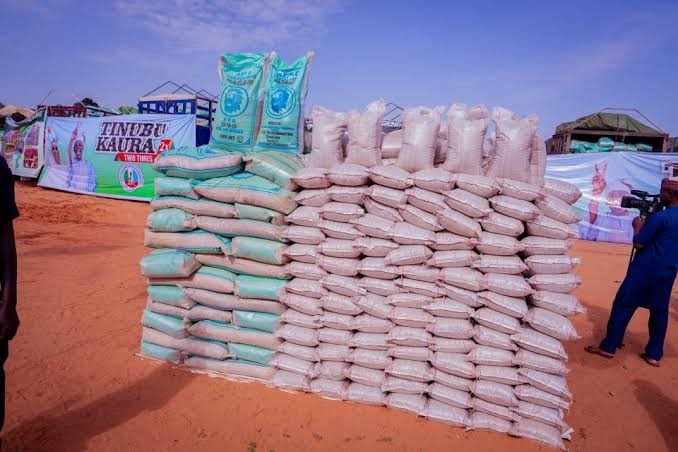
Nigeria is setting out a much broader agricultural reform agenda with a new 10-year agrifood strategy that goes beyond farming alone. The plan is designed to reshape the country’s food system from production and processing to marketing, nutrition, climate resilience and value addition, while linking national policy to the African Union’s Kampala Declaration for 2026–2035.
The roadmap was presented as a long-term framework for moving Nigeria away from subsistence agriculture and toward a more competitive, integrated and investment-driven agrifood economy. Officials say it is intended to serve as a national guide for coordinated planning, budgeting and implementation across federal and state levels, so that agricultural interventions are tied to measurable results instead of scattered, short-term programmes.
A central goal is food sovereignty, which in practical terms means improving Nigeria’s ability to feed itself with stronger domestic production and less dependence on imported food. The strategy also targets poverty reduction by making agriculture more productive and profitable for farmers, agribusinesses and rural communities. That matters because millions of Nigerians still rely on agriculture for income, yet many producers remain trapped in low-yield, low-profit systems.
The investment ambition is striking. Reports on the roadmap say Nigeria wants to mobilise about $100 billion in agrifood investment over the next decade. The idea is not simply to spend more public money, but to use policy clarity, infrastructure, climate-smart practices and value-chain development to attract private capital into farming, processing, storage, logistics and trade.
The strategy also places a strong emphasis on food systems rather than only crop output. That means focusing on the full chain: seeds, irrigation, mechanisation, production, processing, transport, markets, nutrition and waste reduction. Such a systems approach is important because Nigeria’s food problems are not caused only by low farm output; they are also tied to post-harvest losses, poor storage, weak infrastructure and market inefficiencies.
Climate resilience is another major pillar. The roadmap recognises that drought, flooding, land degradation and weather volatility are now central risks to food security, so future agricultural growth must be climate-smart and adaptable. The plan therefore aims to improve irrigation, reduce post-harvest losses and make production more resilient to shocks.
Youth and innovation are also part of the picture. The agrifood strategy is expected to create opportunities for younger Nigerians by making agriculture more attractive as a business, not just a traditional livelihood. That could include digital tools, modern logistics, agribusiness services and value-added processing, all of which offer entry points for people who may not want to farm in the old subsistence model.
The broader policy significance is that Nigeria is trying to align itself with continental commitments under the CAADP Kampala Declaration while building a uniquely Nigerian implementation plan. That makes the roadmap more than a domestic policy paper; it is also part of a regional push for agricultural transformation, food security and stronger trade across Africa.
For farmers and consumers, the success of the plan will depend on execution. If the roadmap leads to better infrastructure, cheaper inputs, stronger extension services and more investment in storage and processing, food could become more available and more affordable over time. If not, it may remain another ambitious policy document with limited impact on prices, yields and rural incomes.
Even so, the direction is clear: Nigeria is trying to treat agriculture as a national development engine rather than a survival sector. If the 10-year roadmap is implemented seriously, it could reshape food production, reduce poverty and strengthen the country’s long-term food security.
Sponsored
Related stories
 Agriculture
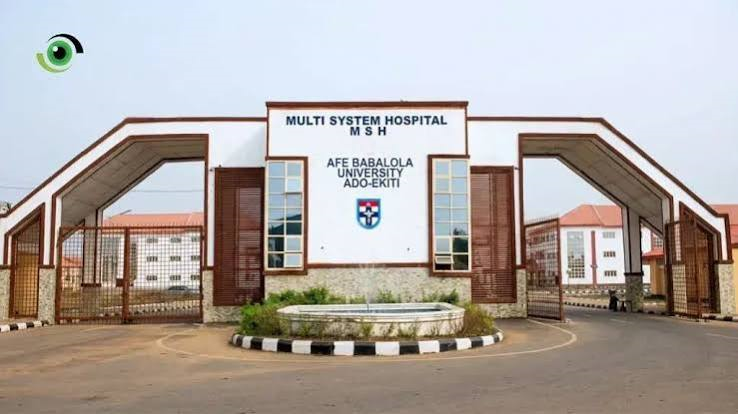
Babalola’s Farmer Support Hits N98m
Legal icon Aare Afe Babalola has disbursed N11.2 million to 81 outstanding farmers across Ekiti State's 16 local government areas, bringing total awards under his annual agricultural scheme since 2015 to N98 million.
 Agriculture
FG Launches African Swine Fever Control Campaign in Southwest
The Federal Government has launched a major African Swine Fever control and biosecurity campaign at the Oke-Aro Pig Farm Estate, distributing protective kits to farmers and pledging comprehensive training to prevent future outbreaks. The intervention by the Livestock Productivity and Resilience Support Project (L-PRES) targets one of Nigeria's largest pig production clusters, which has suffered devastating losses from the highly contagious disease in the past.
 Agriculture
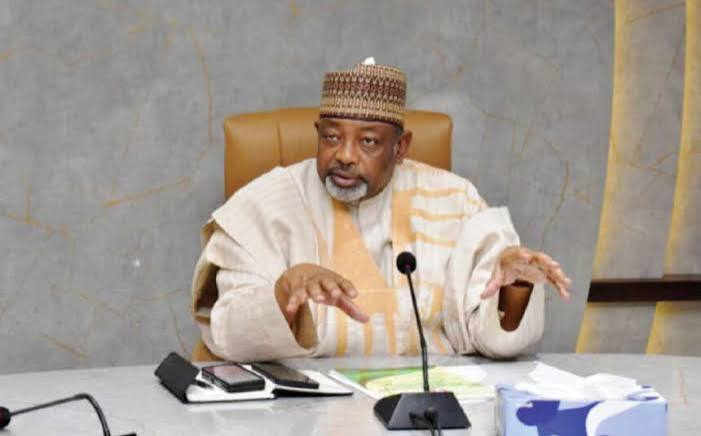
Kyari: More Farmland Won’t Feed 400 Million Nigerians
Agriculture Minister Abubakar Kyari says Nigeria must treat agricultural extension as critical infrastructure, disclosing that over 100,000 farmers already receive weekly digital advisories as the country's population heads toward 400 million by 2050.
 Agriculture
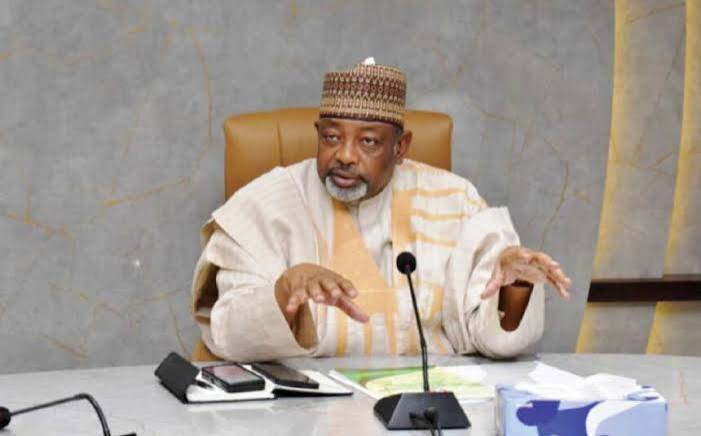
Farmland Expansion Alone Won’t Feed Nigeria
Agriculture Minister Abubakar Kyari says Nigeria must shift to demand-driven, AI-enabled agricultural extension services to boost farm yields, warning that expanding farmland alone can no longer feed the country's growing population.
Comments (0)
Leave a comment
All comments are moderated before publishing. Your email is never published.