
Nigeria Says It Has 42 Million Smallholder Farmers
The federal government says Nigeria has over 42 million agricultural households, mostly smallholder family farms, underscoring their central role in the country’s food system and the need for stronger support.
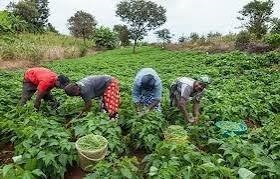
Nigeria’s federal government says the country has more than 42 million agricultural households, and most of them are smallholder family farms. That figure shows just how central small-scale farmers are to food production, rural livelihoods and the wider agrifood economy.
The disclosure was made at the 2nd Biannual Meeting of the Agrifood Systems Working Group in Abuja, where Minister of Budget and Economic Planning, Senator Atiku Bagudu, described smallholder farmers as the backbone of Nigeria’s food system. His remark reflects a long-standing reality: while many farms are small, together they account for a huge share of the country’s food supply.
This matters because smallholder farming is not a marginal activity in Nigeria. It is the main source of food for millions of households, especially in rural communities, and it supports a large number of families who depend on farming for income, subsistence and informal trade. When these farmers are productive, the ripple effect reaches markets, transporters, processors and consumers across the country.
The figure also helps explain why policy attention keeps returning to smallholder farmers in Nigeria’s agricultural planning. If over 42 million households are involved, then even modest improvements in their access to inputs, finance, extension services and infrastructure could have a major impact on national food security. That makes them a strategic priority rather than just a social welfare concern.
The statement comes against the backdrop of persistent challenges facing Nigerian agriculture, including insecurity, herder-farmer clashes, high input costs, weak storage systems and climate pressure. These problems can make it difficult for smallholders to increase output or earn enough profit to improve their livelihoods.
The broader implication is that Nigeria cannot seriously talk about food sovereignty, poverty reduction or agricultural transformation without putting smallholder farmers at the centre of policy. They are the farmers most likely to be affected by shocks, but also the ones most capable of driving food production if given the right support.
In practical terms, the government’s acknowledgement suggests a need for more targeted investments in seeds, fertiliser, irrigation, mechanisation, credit and market access. It also points to the importance of farmer organisations and cooperative systems that can help smallholders bargain better, share resources and connect more effectively to value chains.
The message from Abuja is clear: Nigeria’s food system rests on millions of small family farms, not just large commercial operators. Recognising that scale is the first step toward policies that actually match the size of the challenge.
Sponsored

Related stories
 Agriculture
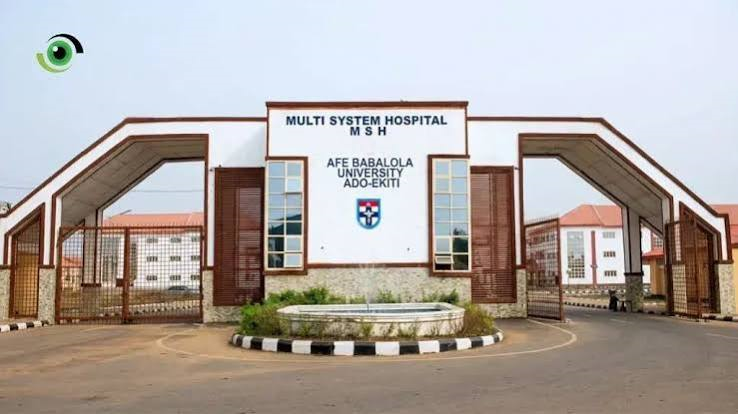
Babalola’s Farmer Support Hits N98m
Legal icon Aare Afe Babalola has disbursed N11.2 million to 81 outstanding farmers across Ekiti State's 16 local government areas, bringing total awards under his annual agricultural scheme since 2015 to N98 million.
 Agriculture
FG Launches African Swine Fever Control Campaign in Southwest
The Federal Government has launched a major African Swine Fever control and biosecurity campaign at the Oke-Aro Pig Farm Estate, distributing protective kits to farmers and pledging comprehensive training to prevent future outbreaks. The intervention by the Livestock Productivity and Resilience Support Project (L-PRES) targets one of Nigeria's largest pig production clusters, which has suffered devastating losses from the highly contagious disease in the past.
 Agriculture
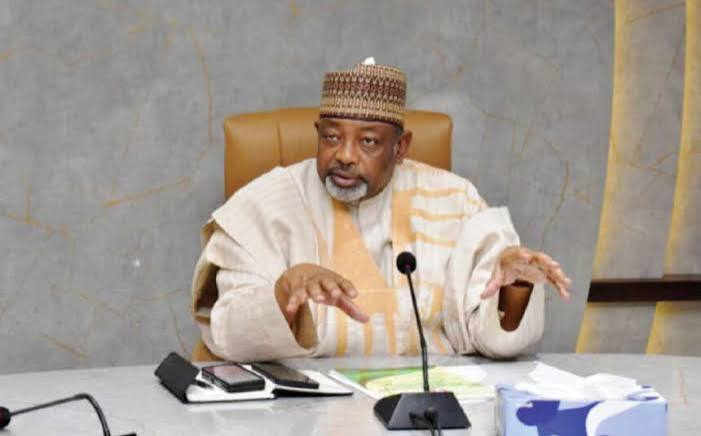
Kyari: More Farmland Won’t Feed 400 Million Nigerians
Agriculture Minister Abubakar Kyari says Nigeria must treat agricultural extension as critical infrastructure, disclosing that over 100,000 farmers already receive weekly digital advisories as the country's population heads toward 400 million by 2050.
 Agriculture
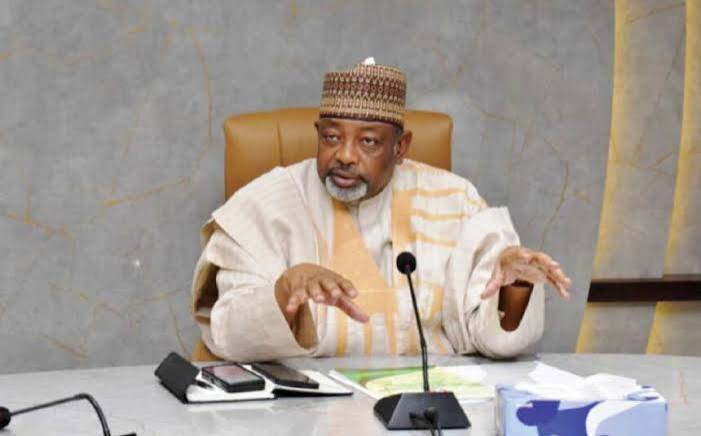
Farmland Expansion Alone Won’t Feed Nigeria
Agriculture Minister Abubakar Kyari says Nigeria must shift to demand-driven, AI-enabled agricultural extension services to boost farm yields, warning that expanding farmland alone can no longer feed the country's growing population.
Comments (0)
Leave a comment
All comments are moderated before publishing. Your email is never published.