
Nigeria’s Inflation Rate Drops to 14.63 Per Cent in September
Nigeria’s headline inflation rate fell to 14.63 per cent in September 2026 from 15.39 per cent in August, according to the National Bureau of Statistics, although food inflation remained elevated.
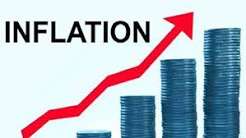
Nigeria’s headline inflation rate declined to 14.63 per cent in September 2026, down from 15.39 per cent recorded in August, the National Bureau of Statistics (NBS) has said.
The bureau disclosed this in its Consumer Price Index report released on Thursday, showing a further slowdown in the rate of increase in consumer prices.
The September figure represents a decline of 0.76 percentage points from the previous month and a decrease from the 20.98 per cent recorded in September 2025.
On a month-on-month basis, headline inflation stood at 0.06 per cent in September, compared with 0.71 per cent in August. This indicates that average prices increased at a slower pace during the month under review.
Food inflation, however, remained high at 19.59 per cent year-on-year in September, compared with 19.57 per cent in August, reflecting continued pressure on household food costs.
On a month-on-month basis, food inflation declined to minus 1.55 per cent in September from 1.02 per cent in August, indicating that average food prices fell during the period.
The latest figures suggest that overall inflationary pressure eased, although the cost of essential goods and services continues to weigh on households.
Nigeria has experienced sustained cost-of-living pressures following economic reforms, including the removal of petrol subsidies and changes to the foreign exchange market. These measures have contributed to higher costs for transport, food and other necessities.
The moderation in headline inflation comes as the Federal Government continues to pursue measures aimed at stabilising the economy and supporting growth.
Despite the latest decline, the persistence of high food inflation highlights the challenges facing households, particularly low-income earners, whose spending is heavily concentrated on basic necessities.
The NBS publishes inflation figures through its Consumer Price Index, which measures changes in the prices of goods and services consumed by households.
Sponsored

Related stories
 News
News
NPHCDA Completes Renovation of 3,526 Primary Healthcare Centres
The National Primary Health Care Development Agency says it has renovated and handed over 3,526 healthcare centres nationwide, with work continuing at 908 others to improve access to essential medical services.
 News
News
Army Destroys Lakurawa Camps in Sokoto, Kills Terrorists
Nigerian Army troops have destroyed Lakurawa terrorist camps in Waria Forest, Sokoto State, killing several fighters and recovering weapons and five motorcycles during a military operation.
 News
News
NHIA Raises Fee-for-Service Payments to Hospitals by 373 Per Cent
The National Health Insurance Authority has increased reimbursements to healthcare providers by 373 per cent and doubled capitation payments, as part of efforts to improve care quality, expand insurance coverage and restore public confidence.
 News
News
APC Presidential Campaign Council Visits Olubadan Ahead of 2027 Election
The All Progressives Congress Presidential Campaign Council has paid a courtesy visit to the Olubadan of Ibadanland, Oba Rashidi Ladoja, as the party intensifies preparations for President Bola Tinubu’s re-election bid in 2027.
Comments (0)
Leave a comment
All comments are moderated before publishing. Your email is never published.