
Nigeria Health Reforms Gather Pace as Government Boosts Funding, Workforce and Outbreak Response
Nigeria is intensifying health-sector reforms with new funding for primary care, expanded workforce support and stronger outbreak preparedness as officials move to close gaps in the country’s fragile health system.
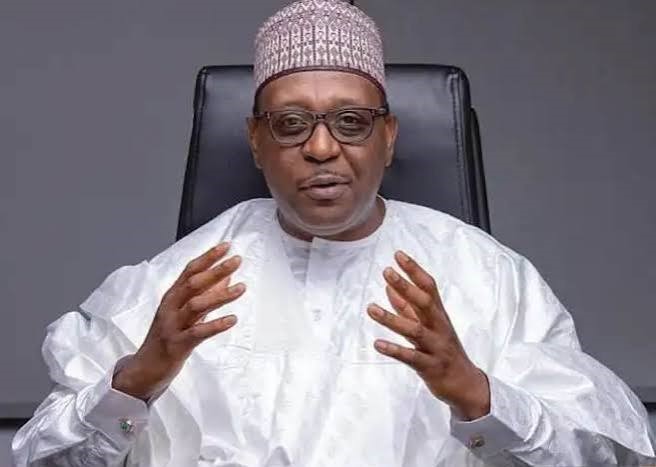
Nigeria is stepping up health-sector reforms as the Federal Government works to expand access to care, strengthen outbreak response and improve service delivery across the country. Recent official updates show a renewed effort to confront long-standing weaknesses in the system, including manpower shortages, weak infrastructure, financing gaps and the steady migration of skilled professionals.[health.gov]
The ministry says the current reform drive is focused on building a more resilient health system that can serve more Nigerians at the primary and secondary levels while responding faster to emergencies.
Officials argue that the country can no longer rely on a reactive model, especially as infectious diseases, maternal health needs and poor access to essential services continue to strain hospitals and clinics in many states.
One major pillar of the reform agenda is improved health financing. The Federal Government recently announced a N32.8 billion Basic Health Care Provision Fund disbursement to states, a move designed to support frontline facilities and improve access to essential health services. Health officials say the funding is intended to strengthen primary healthcare centers, expand service availability and reduce the burden on tertiary hospitals that are already overstretched.
The government is also placing more emphasis on workforce development. President Bola Ahmed Tinubu approved the employment of 774 National Health Fellows, a programme aimed at building capacity, encouraging young professionals and improving service delivery nationwide. Officials say the initiative is expected to create a stronger pool of health workers who can help address gaps in both urban and rural communities.
Emergency preparedness remains another top priority. The ministry has approved State Outbreak Investigation and Response Funds to help states prepare for Ebola virus disease and other public-health threats. Authorities say the measure is meant to improve response speed and reduce the risk of wider transmission when outbreaks occur. Health experts have long warned that delays in detection and response can turn manageable cases into large-scale emergencies.
The broader health system is also being strengthened through infrastructure and supply-chain improvements. Recent ministry updates point to efforts to improve the storage and distribution of medicines, vaccines and other public-health commodities, including expansion of logistics capacity at major storage facilities. Officials say stronger supply chains are essential to reducing stockouts, ensuring continuity of care and supporting emergency interventions nationwide.
These reforms come at a time when Nigeria continues to face a heavy disease burden. Outbreaks of infectious diseases and persistent gaps in health access have put pressure on both federal and state response systems. Health authorities say the country must combine preventive care, surveillance, emergency preparedness and better financing if the sector is to make lasting progress.
The challenge is not only one of policy, but also of implementation. Analysts say many health plans in Nigeria have faltered in the past because of weak coordination, poor accountability and inconsistent funding. This time, however, the government appears determined to place the health sector at the center of its broader reform agenda.
Public confidence will likely depend on whether the reforms translate into visible improvements in hospitals, primary healthcare centers and emergency response units across the country. If the interventions are properly sustained, health officials say they could help reduce preventable deaths, improve access to treatment and restore trust in public health services.
For millions of Nigerians, the coming months will show whether the latest push can move the sector from recurring crisis management to a more stable and dependable health system. The government says the goal is clear: a healthier population, stronger institutions and a more resilient country.
Sponsored
Related stories
 Health
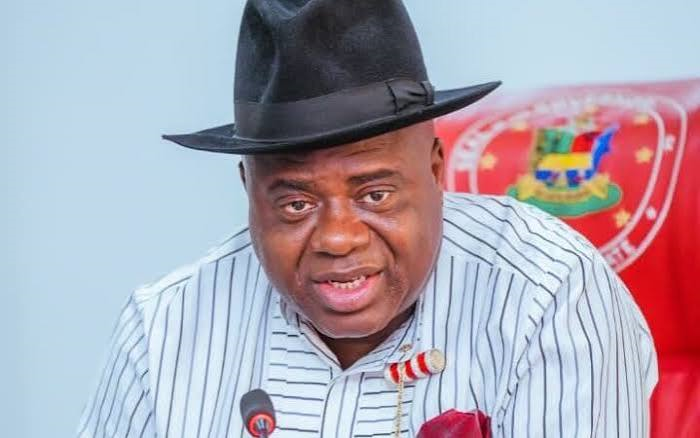
Diri Orders Free Quarterly Health Checks for All Bayelsa Residents at Secondary Facilities
Governor Douye Diri has directed Bayelsa's Ministry of Health to begin free quarterly medical check-ups across all eight local government areas, aimed at helping residents who cannot afford routine screening and promoting early detection of diseases.
 Health
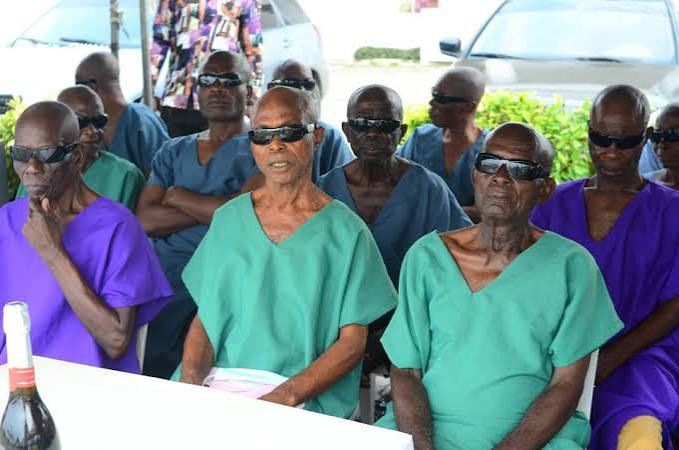
‘Priceless Gift of Sight’ Reaches 400,000 Beneficiaries
FCMB and the Tulsi Chanrai Foundation say their 15-year eye care partnership has reached over 400,000 Nigerians, as a World Sight Day roundtable in Abuja pushes for private-sector funding to sustain and expand care.
 Health
FUNAAB Launches Africa’s First AI Disease Surveillance System
Researchers at the Federal University of Agriculture, Abeokuta, have developed IDS-Master, a groundbreaking AI-powered surveillance system that detects infectious disease outbreaks in real time by analysing reports from community leaders, health agents, and ordinary residents. Described as Africa's first fully AI-driven event-based surveillance platform, the innovation promises to bridge critical gaps in outbreak detection across underserved rural communities where delays in reporting can cost l
 Health
NAFDAC Seeks Global Partners for Local Vaccine Production
The Director-General of the National Agency for Food and Drug Administration and Control (NAFDAC), Prof. Mojisola Adeyeye, has called on international partners to support the establishment of vaccine manufacturing facilities in Nigeria, saying local production is the missing link in the agency’s push to attain World Health Organisation Maturity Level 4 for vaccine lot release. She spoke at the 8th Nigeria Pharma Manufacturers’ Expo in Lagos, where she commended President Bola Tinubu’s Executive
Comments (0)
Leave a comment
All comments are moderated before publishing. Your email is never published.