
Nigeria Faces Surge in Organised Attacks on Telecoms Infrastructure
Tech experts are calling for a dedicated joint security task force following a dangerous surge in highly organised criminal attacks on Nigeria's critical telecommunications network.
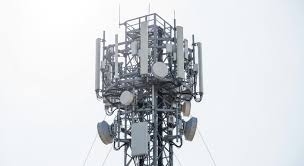
A coalition of security experts and telecommunications stakeholders has issued an urgent warning regarding a sharp rise in sophisticated, highly organised attacks on Nigeria’s digital infrastructure. They caution that this escalating trend poses an immediate threat to the nation's economic stability, digital services, and national security.
The warnings were publicised in a joint communiqué released following an industry summit. Whilst acknowledging that the Critical National Information Infrastructure (CNII) framework, established via a 2024 Executive Order, has made measurable progress in safeguarding assets, attendees stressed that persistent vandalism and sabotage continue to severely undermine network reliability.
The sector is grappling with a relentless wave of fibre optic cable cuts, generator fuel theft, stolen batteries, and deliberate damage to power systems. More worryingly, the communiqué highlighted a shift from random vandalism to "more organised and sophisticated criminal activity," including coordinated and transnational conspiracies targeting vital infrastructure.
This surge in crime coincides with a period where the Nigerian economy is more reliant than ever on digital connectivity. Mobile networks underpin essential daily operations, including:
- Digital banking and payment platforms
- Cloud computing and remote working
- E-government services
- Domestic and corporate internet connectivity
Network operators currently report thousands of fibre cuts annually, resulting in widespread service blackouts, skyrocketing maintenance costs, and significant delays to broader network expansion plans.
Structural Vulnerabilities
The summit identified several key factors compounding the crisis. Crucially, a lack of communication between telecommunications operators and public works departments has made civil engineering projects a primary culprit, with routine road construction triggering a significant proportion of the country's fibre cuts.
Furthermore, glaring coordination gaps remain between federal and sub-national authorities, whilst a lack of network redundancy has created dangerous single points of failure across various regional ecosystems.
To counteract these emerging threats, industry leaders are calling on lawmakers to introduce dedicated legal provisions that impose stricter, codified penalties for crimes involving critical infrastructure. They argue that these offences should be officially treated as major national security threats at both state and federal levels, moving away from current frameworks that often treat them as petty crimes.
As a proactive defence measure, the communiqué concluded with a proposal to establish a Joint CNII Security Task Force. This collaborative unit would bring together law enforcement agencies, regulatory bodies, and telecoms industry representatives to actively monitor, protect, and defend the nation's digital backbone.
Related stories
 Tech & Education
Zamfara Warns 250 Trained Teachers Against Negligence, Vows Strict Classroom Monitoring
Zamfara State has warned teachers who completed a two-week Global Standard Teacher Transformation Programme that negligence will attract disciplinary action, as the government intensifies monitoring under Gov. Dauda Lawal's education emergency declaration.
 Tech & Education
Adeleke University Commissions 200kWp Solar System to Ensure Reliable Power Supply
Adeleke University has inaugurated a 200-kilowatt peak solar power system to guarantee uninterrupted electricity supply and reduce dependence on the national grid and diesel generators.
 Tech & Education
ASUU-PLASU Declares Indefinite Strike Over Six Unresolved Demands, Shuts Down Plateau Varsity
ASUU's Plateau State University chapter has begun an indefinite strike after a 14-day ultimatum expired, citing unresolved demands including pension scheme commencement, unpaid wage award arrears, and alleged intimidation of union leaders.
 Tech & Education
WAEC Result Crisis Worsens as Official Alleges Irregularities, Glitches
The crisis over WAEC’s 2026 school-candidate results has deepened after a senior WAEC official, Olanrewaju Fadehan, alleged glitches and irregularities in the computer-based examination, claiming affected candidates were disadvantaged in Mathematics, English and Igbo.
Comments (0)
Leave a comment
All comments are moderated before publishing. Your email is never published.