
Nigeria Bets on Digital Health as Hospitals Fall Behind Demand
Nigeria is turning to a national digital health initiative, telemedicine and electronic medical records to ease pressure on overstretched hospitals. Officials say the plan is to build an interoperable digital backbone so patients can access care, data and services more easily, even when facilities are struggling to keep up.

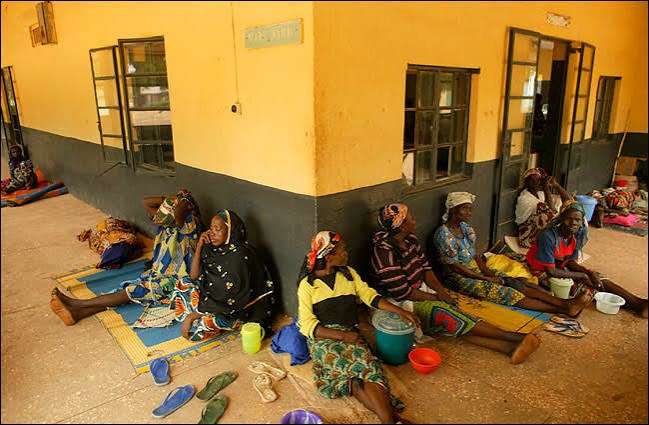
Nigeria is increasingly betting on digital health to close the widening gap between what patients need and what traditional hospitals can deliver. Years of underinvestment, workforce shortages and rising demand have left many facilities overcrowded and reliant on paper‑based systems, making it harder to provide timely, coordinated care. Digital tools are now being positioned as a core part of the solution rather than a side experiment.
At the heart of this push is the Nigeria Digital in Health Initiative, a national effort to create a unified digital health architecture. The idea is to move away from fragmented, standalone systems and build a connected backbone that can support everything from patient records and insurance claims to real‑time disease surveillance. In practical terms, that means replacing paper folders with electronic medical records, linking hospitals and clinics through secure data exchanges, and giving health workers better tools to manage information at the point of care.
Policymakers argue that digital transformation is no longer optional. As patient numbers grow and staff shortages deepen, hospitals cannot rely on manual processes without sacrificing quality and speed. By digitising records, standardising data and enabling secure sharing, they hope to cut down on repeat tests, lost results and delays caused by missing information. That, in turn, can free up time for clinicians to focus more on actual treatment and less on paperwork.
Telemedicine and mobile health platforms are also becoming more important in this shift. For people living far from major hospitals, video consultations, remote triage and app‑based follow‑up can provide access that would otherwise be out of reach. Digital channels cannot replace physical facilities for emergencies or complex procedures, but they can handle routine visits, chronic‑disease monitoring and health education, reducing pressure on crowded outpatient departments.
Another pillar of the strategy is building a national health information exchange—essentially a secure highway for health data. With it, authorised facilities can pull a patient’s history when needed, labs can feed results directly into records, and public‑health teams can see trends emerging across regions. In a country where outbreaks and non‑communicable diseases pose parallel threats, having timely, reliable data can improve both everyday care and emergency response.
Financing and accountability are part of the digital equation as well. A planned health claims exchange aims to make it easier to track how money flows through the system, reduce fraud, and help purchasers of care make decisions based on actual use and outcomes rather than guesswork. If implemented well, this kind of digital tracking can show where hospitals are under‑resourced, which services are over‑ or under‑used, and how reforms are playing out on the ground.
Despite the promise, Nigeria’s digital health transition faces serious challenges. Infrastructure gaps—especially unreliable power and patchy internet,remain common, particularly outside major cities. Many facilities lack computers, secure networks or staff trained to use new systems safely. There are also concerns about data privacy, cybersecurity and the need for clear rules on who can access which information and for what purpose.
Health workers, already stretched thin, often worry that new digital tools will initially add to their workload. Without good design, training and support, systems meant to help can become frustrating. That is why current plans emphasise modular, interoperable tools, capacity‑building and involving frontline staff in shaping how technology is rolled out and used.
Even so, the direction of travel is clear. Nigeria’s leaders now talk about digital health as a backbone of wider health‑sector reform, not an optional upgrade. The long‑term vision is a system where patients can move between levels of care without losing their information, where hospitals can see what is happening beyond their walls, and where data guides planning, purchasing and innovation.
If that vision is realised, digital health could help Nigeria’s hospitals keep pace with demand by shifting some care online, streamlining what happens inside facilities and making the entire system more transparent and responsive. The real test will be whether the country can turn policy blueprints into working platforms that clinicians trust, patients can use and the system can sustain over time.
Related stories
 Health
Katsina Health Insurance Enrolment Hits 583,460 Beneficiaries
Katsina State’s health insurance enrolment has risen from 355,000 beneficiaries in 2023 to 583,460 in 2026, while Governor Dikko Radda has made coverage compulsory for participants in government employment programmes.
 Health
Nigerian Army CMD: Medical Corps Is Army's 'Eye' on Health, Cleanliness in Barracks
Brig-Gen. Godwin Ogoh, CMD of 44 Nigerian Army Reference Hospital Kaduna, says the Medical Corps serves as the Army's watchdog on hygiene and preventive healthcare, as the hospital hosts a Barracks Health Committee sensitisation programme.
 Health
Japanese Doctors Shield Patient with Their Bodies as 7.1 Magnitude Earthquake Hits Mid-Surgery
Newly released hospital security footage shows medical staff at Kumamoto General Hospital in Japan shielding a patient with their bodies as a powerful earthquake shook the operating theatre, with all four ongoing surgeries successfully completed.
 Health
Sick Health Centres Keep Rural Dwellers in Agony as Nigeria’s PHCs Struggle
Nigeria’s primary healthcare centres are facing poor infrastructure, staff shortages, inadequate equipment and hidden charges, leaving rural residents to travel long distances or depend on unqualified providers for basic medical care
Comments (0)
Leave a comment
All comments are moderated before publishing. Your email is never published.