
Nigeria Achieves West Africa’s First 500km Telerobotic Surgery, Removes Kidney Tumour
Surgeons at Redeemer's Health Village in Ogun State remotely operated on a kidney cancer patient in Abuja, 500km away, in what doctors describe as West Africa's first telerobotic surgery, using a China-made Toumai surgical robot
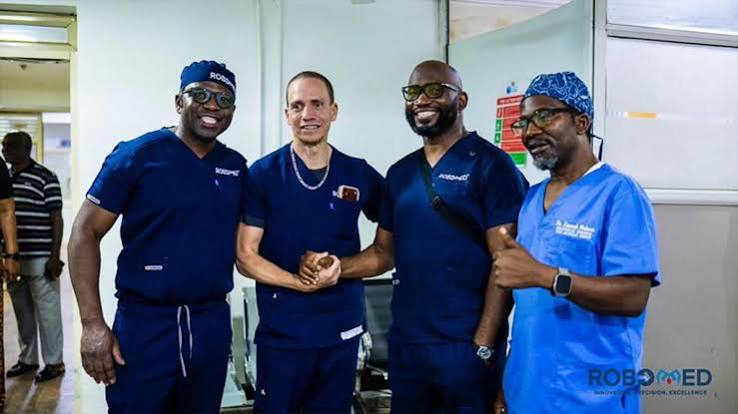
Nigeria has recorded its first tele-robotic surgery, with surgeons based in Ogun State remotely operating on a patient with a kidney tumour located roughly 500 kilometres away in Abuja, in what officials describe as the first procedure of its kind performed in West Africa.
The landmark operation, carried out on Saturday, September 19, 2026, was performed through a collaboration between Redeemer's Health Village (RHV) Hospital, located in Redemption City, Ogun State, US-based robotic surgery company RoboMed Global Inc., and Nisa Premier Hospital in Abuja. Using robotic surgical technology and a high-speed internet connection, the surgical team based at RHV in Ogun State controlled a robotic system at the Abuja hospital to perform the operation on the patient with a cancerous kidney tumour.
The procedure was witnessed by selected journalists at RHV in Lagos, and marked the second of two robotic surgeries carried out over the weekend. Robotic Surgeon from RoboMed Global, Professor Obi Davies-Ekwenna, a Professor of Urology and Transplantation, described the development as a significant demonstration of what technology could bring to healthcare delivery in Nigeria. "The second procedure we did was a tele-surgery procedure where we were able to operate on a patient in Abuja, 500 kilometres away. We were able to operate on a patient with a kidney tumour, a cancer tumour. And so that was successful," he said.
Chief Executive Officer of RHV Hospital, Dr Adedamola Dada, described the achievement as the first telesurgery of its kind in West Africa. Speaking to reporters, Dada said equipment was rarely the primary obstacle to scaling such procedures in Nigeria going forward, noting instead that manpower remained the more pressing challenge. He urged the Federal Government to fund scholarships for trainees in robotic surgery, arguing that expanding the pool of qualified local specialists would be essential to sustaining and scaling the technology's use across the country. He further argued that remote operations of this kind could eventually allow surgeons based abroad to treat Nigerian patients without leaving their home countries, potentially widening access to specialist surgical expertise that remains scarce within Nigeria itself.
The tele-robotic operation followed a separate robotic procedure performed the same weekend on a 28-year-old woman who had lived with a congenital obstruction affecting the drainage of her kidney, part of the broader rollout of robotic surgical capability at RHV. In a related case connected to the facility's robotic surgery programme, Pastor Alexander Idachama, the first-ever robotic surgery patient at Redeemer's Health Village, separately shared his own experience undergoing a radical prostatectomy, a major procedure to remove the prostate gland along with surrounding tissue, describing the facility as world-class in a social media post following his operation.
The surgical technology deployed for the procedures relies on a Toumai surgical robot manufactured by Shanghai MicroPort MedBot, a Chinese medical technology company. The robot's approval for clinical use in Nigeria was granted by the National Agency for Food and Drug Administration and Control (NAFDAC) at the end of December 2025, clearing the regulatory pathway for its deployment in procedures such as this weekend's operations.
While the Nigerian procedure marks a first for West Africa specifically, tele-robotic surgery is not entirely new to the African continent. On May 2, 2025, Moroccan hospital group Akdital linked its facilities in Casablanca and Laâyoune, more than 1,100 kilometres apart, for a prostate operation. Separately, on June 14, 2025, US-based surgeon Vipul Patel of AdventHealth in Florida remotely operated on a patient in Luanda, Angola, a connection spanning nearly 11,000 kilometres, reportedly also using a Toumai robot. Neither of those earlier African telesurgeries took place within West Africa, making the RHV-Nisa Premier Hospital collaboration the first recorded instance of the technology being deployed within the sub-region.
The successful demonstration adds Nigeria to a small but growing list of countries applying tele-robotic surgical technology to bridge geographic gaps in access to specialist surgical care. For a country where specialist surgeons, and particularly those trained in advanced robotic techniques, remain heavily concentrated in a handful of urban centres, the technology's potential to connect patients in one location with surgical expertise based hundreds of kilometres away could offer a meaningful pathway toward expanding access to complex procedures, provided the manpower and infrastructure challenges Dada highlighted can be adequately addressed in the years ahead.
Sponsored

Related stories
 Health
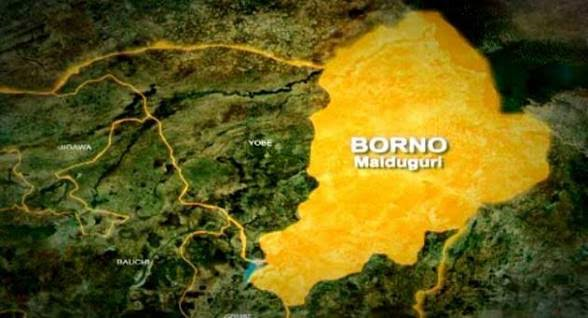
Borno Hires 2,000 Health Workers, Still Faces Staff Shortage
Borno State has recruited nearly 2,000 doctors, nurses and other health professionals in two years, but the head of its contributory health agency says manpower gaps persist as demand grows under the state health insurance scheme.
 Health
Lassa Fever Kills 268 in Nigeria as Cases Hit 1,138
Nigeria has recorded 1,138 confirmed Lassa fever cases and 268 deaths across 24 states in 2026, with the case fatality rate rising to 23.6 per cent—significantly higher than the 18.6 per cent recorded during the same period in 2025. The NCDC has identified five states accounting for 88 per cent of all confirmed cases, as it intensifies preparedness efforts ahead of the peak transmission season.
 Health
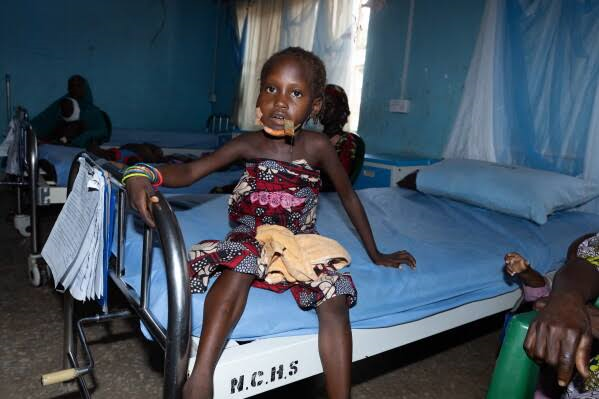
MSF Calls for Routine Noma Surveillance in Nigeria
Doctors Without Borders says noma, a fast-moving and often fatal facial infection linked to malnutrition and poverty, remains largely missing from Nigeria's routine child health programmes despite its 2023 recognition as a neglected tropical disease.
 Health
Oyo Rejects Diphtheria Outbreak Claims, Accuses APC
The Oyo State Government has dismissed claims by the Senator Sharafadeen Alli Campaign Organisation that diphtheria has affected 16 local government areas, describing the allegation as false and politically motivated. Commissioner for Health Dr. Oluwaserimi Ajetunmobi confirmed that while suspected cases have been recorded in 10 LGAs, none have been confirmed, and accused the APC campaign group of distorting immunisation data to score political points.
Comments (0)
Leave a comment
All comments are moderated before publishing. Your email is never published.