
Niger Delta Fish Crisis: Researcher Warns of Cancer Risks from Pollution
Rivers State University researcher Otene Benjamin warns that oil pollution and unregulated hormone use in fish ponds are introducing carcinogens into the food chain, urging a N40m hatchery investment to secure safe aquaculture.
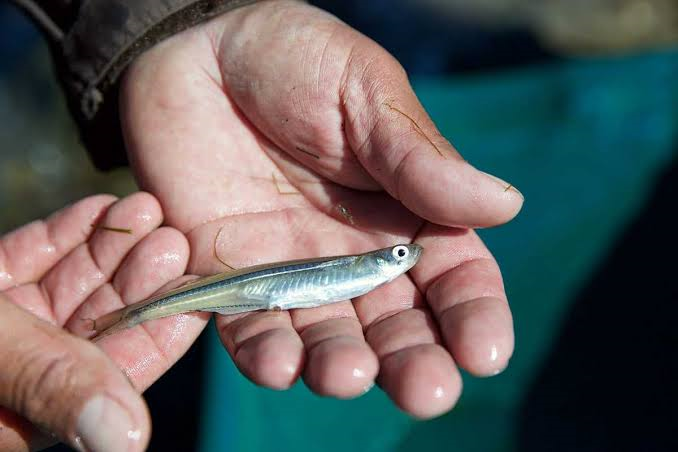
As Nigeria’s demand for fish surges toward 4 million metric tonnes annually, a severe disconnect between supply and safety is emerging in the nation’s primary fish-producing region. According to Otene Benjamin, Head of the Department of Fisheries and Aquatic Environment at Rivers State University (RSU), rampant environmental degradation in the Niger Delta and unregulated practices in aquaculture are not only causing mass fish deaths but also introducing dangerous carcinogens into the human food chain.
The ecological crisis in the Niger Delta is primarily driven by unchecked anthropogenic activities. Daily oil and gas exploration, illegal sand mining, and agricultural runoff continuously introduce heavy metals—such as mercury, lead, cadmium, and chromium—into the region’s waterways. Benjamin explained that these effluents trigger a spike in Biological Oxygen Demand (BOD), which drastically depletes the Dissolved Oxygen (DO) levels essential for aquatic survival.
“When dissolved oxygen decreases, fish either die en masse or become unproductive, akin to walking corpses,” Benjamin stated. He referenced past incidents, such as the thousands of fish that mysteriously washed ashore in Bonny River, as direct consequences of toxic waste discharge into the aquatic ecosystem.
Beyond ecological devastation, this pollution poses a severe public health threat. Fish naturally absorb the contents of their environment, meaning heavy metals accumulate in their tissues over time. When consumed by humans, these bioaccumulated toxins act as carcinogens and mutagens. Benjamin linked this contamination to the rising incidence of cancer, genetic disorders, and premature deaths in the region, noting a stark decline in average life expectancy from over 100 years in the past to between 40 and 60 years today.
To circumvent wild fish depletion, aquaculture has been championed as the ultimate solution. However, Benjamin warned that fish farming is rapidly becoming a new vector for health hazards due to the unregulated use of synthetic hormones. Species like *Clarias gariepinus* (African catfish) struggle to reproduce naturally in artificial pond environments, prompting farmers to use hormones like Ovaprim or Ovatide to induce ovulation.
The danger lies in widespread ignorance. “Scientific protocols dictate a precise dosage of 0.5ml of hormone per kilogram of fish,” Benjamin explained. “Untrained farmers often overdose, injecting 0.7ml or more. The fish’s body utilizes the required 0.5ml, but the excess 0.2ml becomes a toxic residue stored in the fish’s tissue, which is then transferred to humans upon consumption.”
To combat these challenges, RSU is spearheading an academic and practical revolution in aquaculture. The university has established demonstration farms at its main campus and a new agricultural hub at the Abara campus to train students in the safe, mass production of fingerlings. Despite these efforts, infrastructural deficits remain a massive bottleneck.
Benjamin highlighted that the Abara campus struggles with erratic power supply, which disrupts critical hatchery processes and water management. Furthermore, the naturally low pH levels of local borehole water prove fatal to early-stage fish. “If the pH is not regulated, over 70 percent of newly produced fingerlings die within three weeks,” he noted, adding that the department recently lost its saltwater fish research section due to ongoing construction at Eagle Island.
To bridge this gap and secure Nigeria’s food future, Benjamin is issuing a strategic call to action. He estimates that an investment of just N40 million could establish a standard, climate-controlled hatchery capable of producing 500,000 fingerlings monthly from a single pair of male and female broodstock.
“This is the fish zone of Nigeria. A N40 million investment in a standard hatchery, managed by trained hands, will not only revolutionize local fish production but also recover its capital within a few years,” Benjamin asserted. Such an intervention is critical to reducing Nigeria’s current $1.3 billion annual foreign exchange outflow for fish imports, while simultaneously guaranteeing a safe, sustainable, and toxin-free protein source for millions of Nigerians.
Sponsored

Related stories
 Agriculture
Babalola’s Farmer Support Hits N98m
Legal icon Aare Afe Babalola has disbursed N11.2 million to 81 outstanding farmers across Ekiti State's 16 local government areas, bringing total awards under his annual agricultural scheme since 2015 to N98 million.
 Agriculture
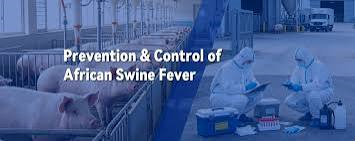
FG Launches African Swine Fever Control Campaign in Southwest
The Federal Government has launched a major African Swine Fever control and biosecurity campaign at the Oke-Aro Pig Farm Estate, distributing protective kits to farmers and pledging comprehensive training to prevent future outbreaks. The intervention by the Livestock Productivity and Resilience Support Project (L-PRES) targets one of Nigeria's largest pig production clusters, which has suffered devastating losses from the highly contagious disease in the past.
 Agriculture
Kyari: More Farmland Won’t Feed 400 Million Nigerians
Agriculture Minister Abubakar Kyari says Nigeria must treat agricultural extension as critical infrastructure, disclosing that over 100,000 farmers already receive weekly digital advisories as the country's population heads toward 400 million by 2050.
 Agriculture
Farmland Expansion Alone Won’t Feed Nigeria
Agriculture Minister Abubakar Kyari says Nigeria must shift to demand-driven, AI-enabled agricultural extension services to boost farm yields, warning that expanding farmland alone can no longer feed the country's growing population.
Comments (0)
Leave a comment
All comments are moderated before publishing. Your email is never published.