
NHIA Raises Fee-for-Service Payments to Hospitals by 373 Per Cent
The National Health Insurance Authority has increased reimbursements to healthcare providers by 373 per cent and doubled capitation payments, as part of efforts to improve care quality, expand insurance coverage and restore public confidence.
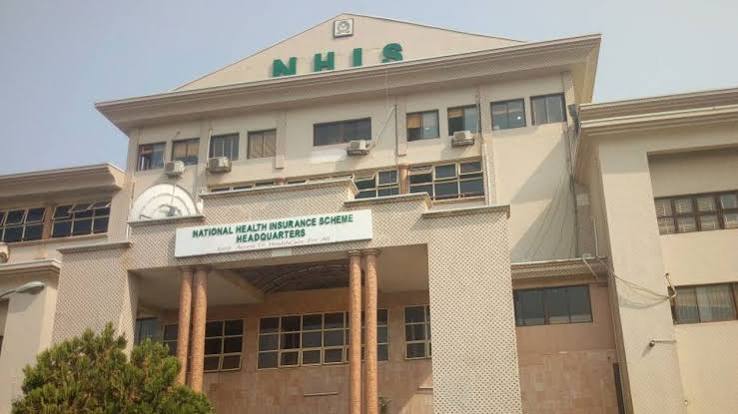
The National Health Insurance Authority (NHIA) has increased reimbursements to healthcare providers under its fee-for-service arrangement by 373 per cent and doubled capitation payments following a review of healthcare tariffs.
The Director-General of the authority, Dr Kelechi Ohiri, disclosed this on Thursday during a joint quarterly media briefing organised by the NHIA and the National Primary Health Care Development Agency.
Ohiri said the adjustments followed an actuarial review of healthcare tariffs that had remained unchanged for a decade despite rising costs of medicines and medical services.
He explained that the revised rates were intended to reflect prevailing market costs and ensure that healthcare facilities received adequate payments for services provided to health insurance enrollees.
The changes took effect on April 1, 2025.
The NHIA chief said adequate reimbursement was essential to improving healthcare delivery, noting that some enrollees continued to complain about being denied services covered by their insurance or asked to pay out of pocket for medicines and treatments.
To address such challenges, he said the authority had directed hospitals to commence treatment where authorisation codes were not issued within one hour.
The authority had also strengthened its complaints-resolution system, resolving about 87 per cent of complaints received in the preceding year within 48 hours.
Ohiri said sanctions had been imposed on healthcare providers and health maintenance organisations involved in improper charges. Measures included ordering refunds to enrollees who paid for services already covered by their insurance and delisting some healthcare facilities.
He added that NHIA personnel had been deployed to 19 high-volume healthcare facilities in the Federal Capital Territory to help resolve complaints and address difficulties faced by enrollees.
According to him, the measures were part of broader efforts to rebuild public confidence and ensure that expanded insurance coverage translated into improved access to healthcare.
Ohiri disclosed that the number of Nigerians covered by health insurance had increased by 42 per cent, from approximately 16 million in January 2024 to 23.02 million.
He added that 3.18 million poor and vulnerable Nigerians were benefiting from government-funded health insurance under the Basic Health Care Provision Fund.
The authority, he said, would continue collaborating with healthcare providers, government agencies, the media and civil society organisations to strengthen accountability, expand coverage and improve access to quality services.
The National Health Insurance Authority Act, 2022, provides a framework for expanding health insurance coverage among residents and strengthening healthcare financing.
However, high medical costs and continued reliance on out-of-pocket payments remain major challenges for households seeking medical attention.
The NHIA said the tariff adjustments were intended to improve the financial sustainability of participating healthcare providers and support the delivery of services covered under insurance benefit packages. Effective oversight and compliance by providers remain important to ensuring that increased reimbursements lead to better care for enrollees.
Sponsored

Related stories
 News
News
NPHCDA Completes Renovation of 3,526 Primary Healthcare Centres
The National Primary Health Care Development Agency says it has renovated and handed over 3,526 healthcare centres nationwide, with work continuing at 908 others to improve access to essential medical services.
 News
News
Army Destroys Lakurawa Camps in Sokoto, Kills Terrorists
Nigerian Army troops have destroyed Lakurawa terrorist camps in Waria Forest, Sokoto State, killing several fighters and recovering weapons and five motorcycles during a military operation.
 News
News
Nigeria’s Inflation Rate Drops to 14.63 Per Cent in September
Nigeria’s headline inflation rate fell to 14.63 per cent in September 2026 from 15.39 per cent in August, according to the National Bureau of Statistics, although food inflation remained elevated.
 News
News
APC Presidential Campaign Council Visits Olubadan Ahead of 2027 Election
The All Progressives Congress Presidential Campaign Council has paid a courtesy visit to the Olubadan of Ibadanland, Oba Rashidi Ladoja, as the party intensifies preparations for President Bola Tinubu’s re-election bid in 2027.
Comments (0)
Leave a comment
All comments are moderated before publishing. Your email is never published.