
Nasarawa Women Farmers Record Bumper Harvest Through Climate-Smart Agriculture
Nasarawa women farmers record a bumper 2026 harvest using climate-smart practices and biofortified crops introduced by the Sasakawa Africa Association, boosting food security and incomes.
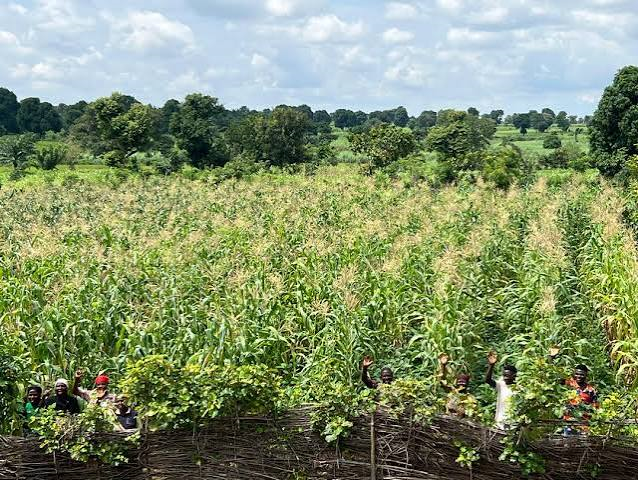
Smallholder women farmers in Nasarawa State are celebrating a remarkable bumper harvest for the 2026 farming season, achieved through the strategic adoption of climate-smart agricultural practices and biofortified crop varieties. This agricultural breakthrough is the direct result of targeted interventions by the Sasakawa Africa Association (SAA), in partnership with Japan’s The Nippon Foundation and the Nasarawa State Ministry of Agriculture and Food Security.
Historically marginalized in access to modern farming inputs, these women are now at the forefront of a quiet agricultural revolution. The initiative is anchored on SAA’s “co-innovation” concept, emphasizing Knowledge Creation, Packaging, and Transfer. By transitioning from traditional, depletion-heavy farming methods to regenerative agriculture, these farmers are increasing yields while building resilience against climate change and soil degradation.
During a recent two-day media field day organized by SAA in the Obi and Doma Local Government Areas, beneficiaries shared transformative stories of how these interventions reshaped their livelihoods. The training exposed farmers to improved techniques, including precise plant spacing, biochar and organic compost application, optimized fertilizer use, and advanced field management strategies.
Felicia Alaku, Chairperson of the Madagba Watta Community Women Farmers’ Group in Doma LGA, highlighted the introduction of orange-fleshed sweet potatoes (OFSP) as a game-changer. “Before SAA arrived, we had never cultivated this crop,” Alaku explained. “We were trained on proper ridging, plant spacing, and preservation of planting materials. Crucially, we were educated on the high Vitamin A content and health benefits of OFSP, particularly for growing children.”
She noted that the biofortified sweet potatoes significantly outperformed traditional varieties, sparking immense interest within the broader community. “Other farmers are now actively collecting vines from our group to establish the crop on their own farms,” she added.
The impact extends beyond cash crops to daily household nutrition. Adama Rabiu, a beneficiary from the Angwan Hamidu community in Obi LGA, attested to the improved dietary diversity in her home. “Since Sasakawa’s intervention, the food we eat has drastically improved. We now cultivate fluted pumpkins around our living compounds to supplement our regular meals, making a major difference in our daily lives,” Rabiu stated.
Similarly, Sarah Joseph, a farmer from the Angwan Iliya community, emphasized the efficiency of the new methods. She noted that the training equipped her group with advanced techniques for cultivating Pro-Vitamin A biofortified maize (SAMMAZ 52) and improved soybean varieties. “These practices have produced visibly healthier crops and raised our expectations for higher yields. Most importantly, we are achieving higher productivity on smaller plots of land, maximizing our limited resources,” Joseph explained.
Beyond immediate yield increases, the introduction of biofortified crops addresses the silent crisis of hidden hunger in rural communities. By prioritizing crops like Pro-Vitamin A maize and orange-fleshed sweet potatoes, the initiative directly tackles micronutrient deficiencies that disproportionately affect women and children in Northern Nigeria. This dual focus on agricultural productivity and nutritional outcomes ensures that the benefits of the harvest translate directly into improved public health and long-term community well-being.
The scale of this intervention underscores its potential as a replicable model for national food security. Moses Nongoatse, Communications Officer for SAA Nigeria, revealed that the multi-faceted agricultural development programme is currently active across seven local government areas in the state.
“In response to soil degradation, the worsening impacts of climate change, and rising food insecurity, SAA is committed to placing regenerative agriculture at the center of our strategy to build a resilient food system in Africa,” Nongoatse stated.
He provided compelling data on the programme’s reach: “To date, more than 18,900 farmers have been mobilized and sensitized. Of these, 15,975 have received comprehensive step-down training on improved agricultural practices, value-chain development, and market-oriented farming.”
Furthermore, SAA has established 60 community demonstration plots across the state. These plots serve as practical, hands-on learning hubs for approximately 600 core farmers, while indirectly reaching over 2,000 additional community members through wider outreach and peer-to-peer knowledge sharing.
As climate volatility continues to threaten traditional farming yields across Sub-Saharan Africa, the success of Nasarawa’s women farmers offers a beacon of hope. By combining indigenous knowledge with scientifically backed, climate-smart innovations, these women are securing their households’ food and nutrition while paving the way for a sustainable agricultural future in Nigeria.
Sponsored

Related stories
 Agriculture
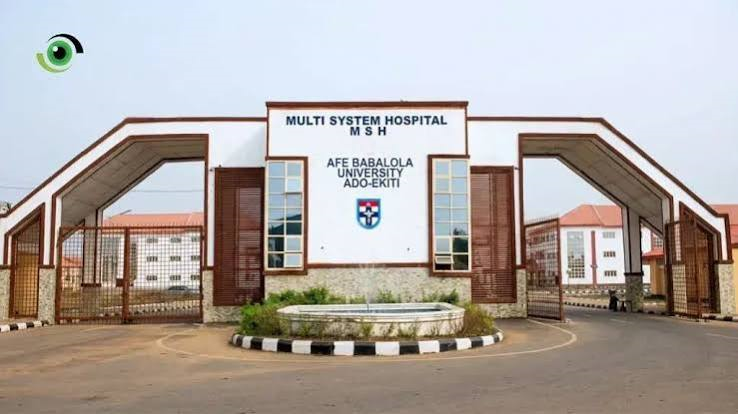
Babalola’s Farmer Support Hits N98m
Legal icon Aare Afe Babalola has disbursed N11.2 million to 81 outstanding farmers across Ekiti State's 16 local government areas, bringing total awards under his annual agricultural scheme since 2015 to N98 million.
 Agriculture
FG Launches African Swine Fever Control Campaign in Southwest
The Federal Government has launched a major African Swine Fever control and biosecurity campaign at the Oke-Aro Pig Farm Estate, distributing protective kits to farmers and pledging comprehensive training to prevent future outbreaks. The intervention by the Livestock Productivity and Resilience Support Project (L-PRES) targets one of Nigeria's largest pig production clusters, which has suffered devastating losses from the highly contagious disease in the past.
 Agriculture
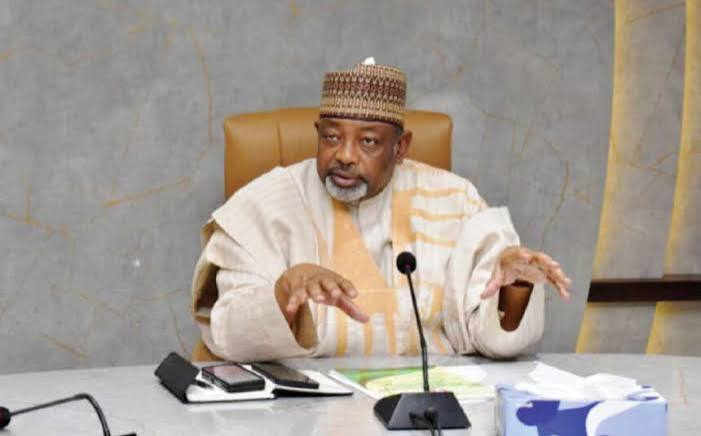
Kyari: More Farmland Won’t Feed 400 Million Nigerians
Agriculture Minister Abubakar Kyari says Nigeria must treat agricultural extension as critical infrastructure, disclosing that over 100,000 farmers already receive weekly digital advisories as the country's population heads toward 400 million by 2050.
 Agriculture
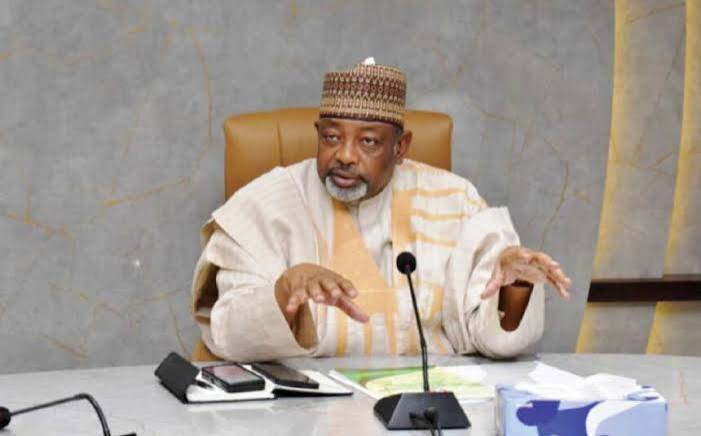
Farmland Expansion Alone Won’t Feed Nigeria
Agriculture Minister Abubakar Kyari says Nigeria must shift to demand-driven, AI-enabled agricultural extension services to boost farm yields, warning that expanding farmland alone can no longer feed the country's growing population.
Comments (0)
Leave a comment
All comments are moderated before publishing. Your email is never published.