
Motorists Berate Oil Marketers Over High Petrol Prices Despite Global Crude Drop
Motorists in the FCT have criticised oil marketers for failing to reduce petrol prices despite declining global crude oil costs, while industry operators cite financial risks and market challenges.
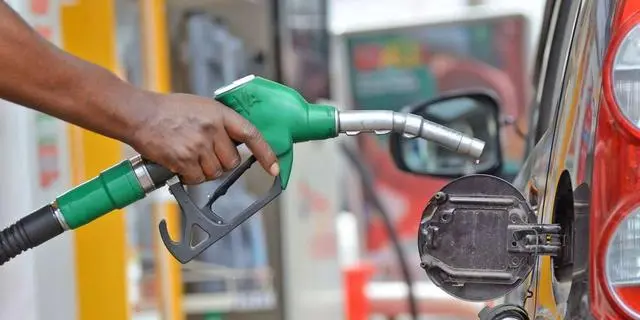
Many motorists in the Federal Capital Territory (FCT) have expressed dissatisfaction with oil marketers over the continued high cost of petrol despite a significant decline in global crude oil prices.
The motorists said several filling stations across the FCT had failed to adjust their pump prices to reflect the drop in the international oil market, leaving consumers to bear the burden of the high cost of fuel.
The News Agency of Nigeria (NAN) reports that global crude oil prices recently fell from about $150 per barrel to below $80 per barrel following the de-escalation of tensions between the United States and Iran.
The development prompted the Dangote Refinery to reduce its petrol gantry price by N75 per litre after the decline in crude oil prices.
However, checks by NAN showed that while some filling stations had adjusted their prices, others were still selling petrol at higher rates.
Some outlets, including MRS, were found to be selling petrol between ₦1,241 and ₦1,261 per litre, while other retail stations sold the product between ₦1,335 and ₦1,360 per litre.
The Petroleum Products Retail Outlets Owners Association of Nigeria (PETROAN) had earlier urged fuel marketers to reflect the reduction in global crude prices by lowering pump prices for consumers.
The National President of PETROAN, Billy Gillis-Harry, said the drop in crude oil prices provided an opportunity for marketers to transfer the benefits of lower costs to Nigerians.
Reacting to the development, the National Publicity Secretary of the Independent Petroleum Marketers of Nigeria (IPMAN), Chinedu Ukadike, attributed the delay in price reduction to financial pressures facing marketers.
Ukadike explained that some marketers purchased petroleum products at higher prices and could not immediately reduce pump prices without incurring losses.
He said the deregulated nature of the petroleum sector meant there was no government compensation system to protect marketers from sudden market changes.
According to him, rising operational costs, high interest rates on loans, increasing insurance expenses and the growing capital required to purchase petroleum products have affected businesses.
Ukadike recommended the establishment of a Petroleum or Energy Bank to provide financial support for marketers and reduce risks in the downstream sector.
He also called for the rehabilitation and full operation of local refineries, including the Port Harcourt and Kaduna Refineries, to increase domestic refining capacity and improve price stability.
He warned that high fuel prices continue to affect transportation costs and contribute to inflation across the economy.
Related stories
 News
News
Mob Sets Woman Accused Of Child Theft Ablaze In Kaduna
A woman accused of child theft has been killed and set ablaze by an angry mob in Kaduna after police rescued her but were later overpowered by residents who stormed the station.
 News
News
Retired Ogun Broadcaster, Security Guard Murdered At Her Residence
Former OGTV broadcaster Kitan Oyesiku and her security guard have been murdered at her Ogun residence by unknown assailants, with police launching investigations after signs of forced entry were discovered.
 News
News
Osun Police Arrest Eight Suspected Cultists, Political Thugs
Osun Police Command has arrested eight suspected cultists and political thugs in Ilesa and Osogbo, recovering weapons and cult items during intelligence-led operations targeting criminal activities across the state.
 News
News
Call Igboho To Order Over Remarks Against Fulani Communities — Group Tells Tinubu, Makinde
A Fulani socio-cultural group has urged President Tinubu and Governor Makinde to caution Sunday Igboho, warning that ethnic profiling could heighten tensions and undermine security efforts.
Comments (0)
Leave a comment
All comments are moderated before publishing. Your email is never published.