
Kebbi Accuses Malami of Politicising UNDP Poverty Report
Kebbi State Government accuses former Attorney-General Abubakar Malami of using poverty statistics to advance his 2027 governorship ambition.
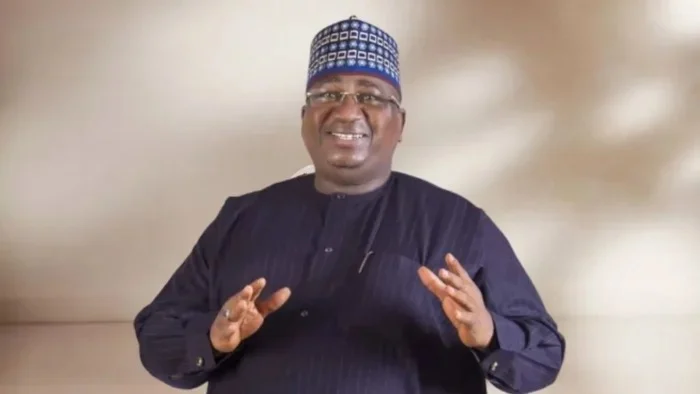
The Kebbi State Government has accused former Attorney-General of the Federation, Abubakar Malami, of politicising poverty statistics following the release of a new United Nations Development Programme (UNDP) report highlighting Nigeria’s worsening multidimensional poverty.
The report, published by UNDP and the Oxford Poverty and Human Development Initiative, found that Nigeria’s multidimensional poverty rate rose to 38.7 per cent, with an additional 17.9 million people experiencing overlapping forms of deprivation between 2021 and 2024.
The findings have renewed debate over poverty, access to essential services and the performance of governments at federal and state levels.
Malami, the African Democratic Congress (ADC) governorship candidate in Kebbi State, has repeatedly criticised the administration of Governor Nasir Idris over insecurity, education, healthcare and economic hardship as he prepares for the 2027 election.
The state government has previously accused the former minister of misrepresenting conditions in Kebbi and shifting responsibility for governance challenges that, it argues, worsened during his years in the Federal Government under former President Muhammadu Buhari.
In its earlier response to Malami’s criticism, the government defended its record in education, healthcare, infrastructure, agriculture and security, citing school construction, teacher recruitment and hospital rehabilitation among its interventions.
Malami, however, has maintained that poverty, insecurity and shortcomings in public services remain serious concerns in the state. He has cited statistics on school attendance, child poverty and malnutrition to support his criticism of the current administration.
The latest UNDP report measures multidimensional poverty through overlapping disadvantages in areas such as health, education and living standards, including nutrition, school attendance, electricity, sanitation, drinking water and housing.
Unlike income-based measures, the index examines whether people lack several essential services and resources at the same time.
The report provides national and subnational evidence of deprivation, but its findings do not, by themselves, establish which individual government or administration is responsible for particular outcomes.
The dispute comes as political parties and aspirants intensify preparations for the 2027 general elections, with poverty reduction, security and public service delivery emerging as major issues in the political debate.
Sponsored

Related stories
 News
News
Atiku Tackles Tinubu Over Police Exit Bill
Atiku Abubakar urges President Tinubu to explain the delay in acting on the Police Exit Bill amid concerns over officers’ welfare.
 News
News
Tinubu Warns Ekiti Politicians Against Early 2030 Governorship Declarations
President Bola Tinubu cautions Ekiti politicians against early 2030 governorship declarations, warning that political ambitions could distract Governor Biodun Oyebanji from governance.
 News
News
Ambassador Dele Cole Dies at 86
Veteran journalist, diplomat and former Daily Times managing director Patrick Dele Cole dies in London, prompting tributes from national leaders.
 News
News
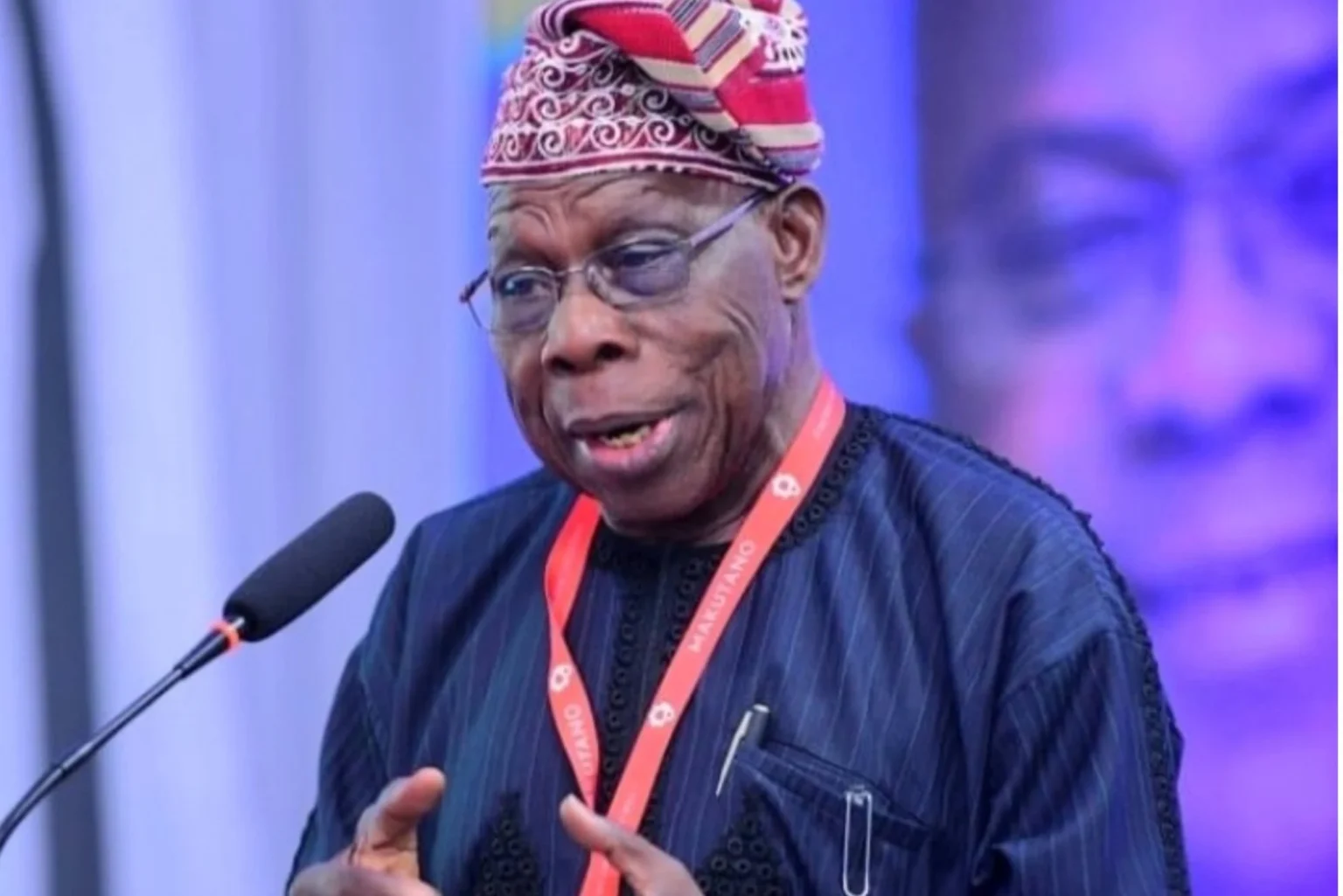
Obasanjo Mourns Dele Cole, Recalls Role in Paris Debt Relief
Former President Olusegun Obasanjo mourns Ambassador Dele Cole, crediting his diplomatic expertise with helping secure Nigeria’s historic Paris Club debt relief.
Comments (0)
Leave a comment
All comments are moderated before publishing. Your email is never published.