
From Abuja to Every Ward: How the GNA CAA Governance Model Can Help the Federal Government Track Development and Reach Every Community
The GNA CAA Governance Model connects Abuja to every ward, empowering government with verified grassroots evidence to deliver accountable, inclusive national development.
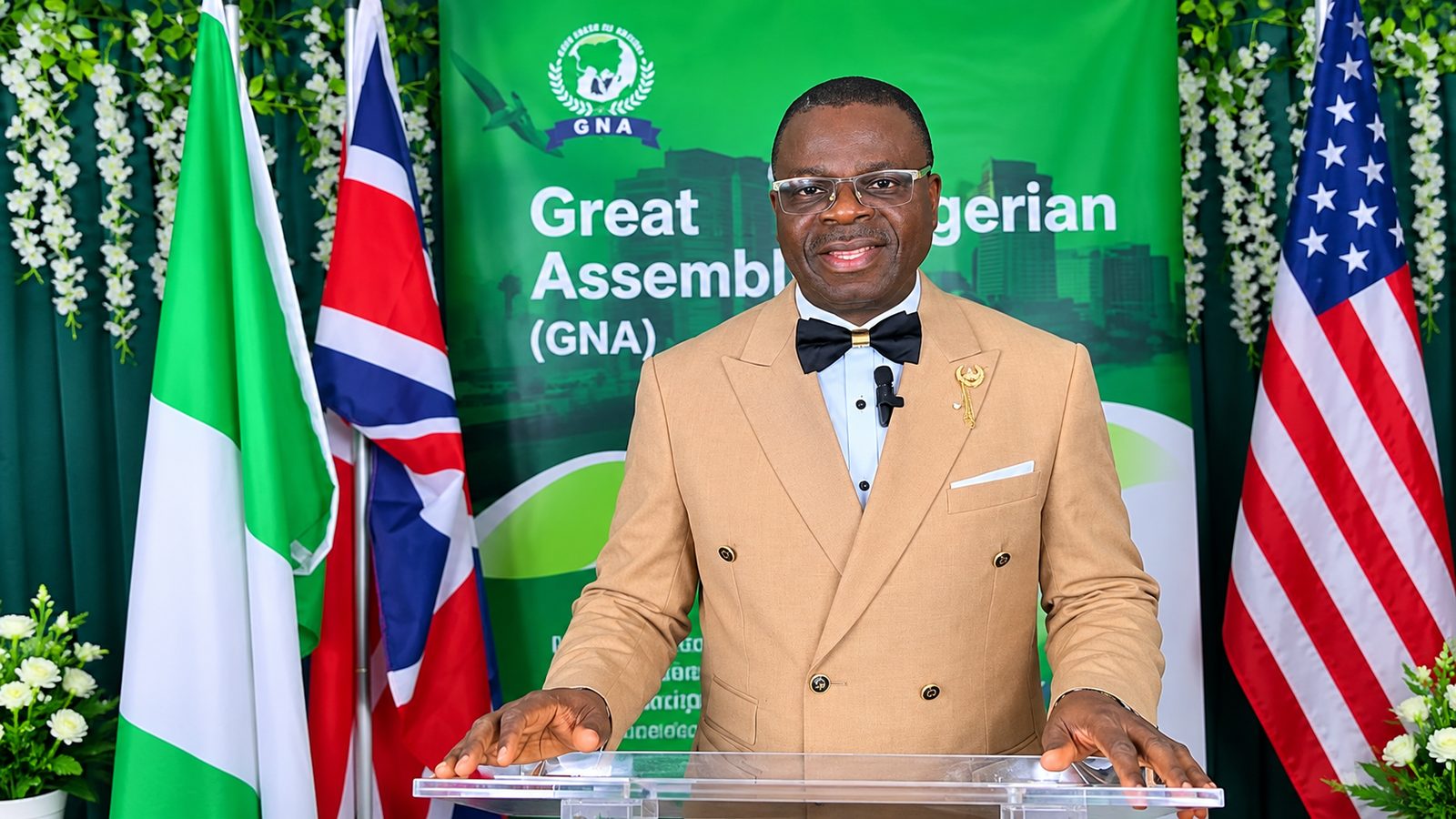
By Dr. Kayode Elusoji
I have spent my working life building information systems. In 1996, when I founded Computer Powerhouse International in Lagos, I learned a lesson that has stayed with me ever since: an organisation can only manage what it can see. A company that does not know the condition of its assets risks wasting money repairing what is still working while neglecting what has failed.
A nation is no different. Nigeria is a federation of 36 states, the Federal Capital Territory, 774 Local Government Areas and thousands of communities. Every year, the Federal Government commits enormous resources to roads, schools, healthcare centres, water schemes and agricultural development across this vast landscape. Yet, from Abuja, much of the country remains difficult to see. Reports pass through several channels before reaching decision-makers. Some are accurate, others present an overly optimistic picture, while some are never documented at all.
Yesterday, I addressed our Governors and Local Government Chairmen. Today, on Day 5 of our series, I turn my attention to Mr. President, the Federal Executive Council, Ministers, the National Assembly and every federal institution responsible for delivering development across the country.
My message remains the same: the GNA Coverage Area Administrator (CAA) Governance Model is not a challenge to your authority. It is an offer of partnership.
A Simple Vision
Imagine a President who can see, with just a few clicks, the documented condition of a primary healthcare centre in Akwa Ibom, a school in Borno or a road in Ondo.
Imagine a Minister of Health who knows, ward by ward, which healthcare facilities lack water, electricity or adequate personnel. Imagine a Minister of Works who can identify federal roads that have been completed, those abandoned before completion and those that have deteriorated since they were commissioned.
This is not an unrealistic ambition. It is possible when trained citizens across all Local Governments document the condition of public facilities using a common standard, verify their findings and record the information on a central national platform.
That is precisely what the GNA CAA Governance Model is designed to achieve.
“A nation cannot fix what it cannot see. The Fourth Tier gives Nigeria eyes in every ward.”
From the Ward to Abuja: A National Structure
The GNA CAA Governance Model is organised from the grassroots upwards, ensuring that information flows to the national level while cooperation extends across every tier of government.
Its structure includes:
- Ward Level: Three Ward Managers in every ward work with Certified Citizen Reporters (CCRs), who document community needs using photographs, GPS locations and condition assessments.
- Local Government Level: A CAA Committee coordinates the Model alongside the Advisory Council and five Special Development Committees covering infrastructure, healthcare, agriculture, security and youth education.
- State Level: A State Implementation Team brings together representatives from every Local Government, coordinated by a nine-member committee.
- National Level: The Nigerian Implementation Team consists of 37 members, representing the 36 states and the FCT. It is coordinated by a nine-member committee that reports to the Executive Director of GNA.
For the Federal Government, this structure provides an organised civic partner with grassroots reach across the country, without requiring the establishment of another government bureaucracy.
How the Model Can Strengthen the Federal Government
1. A National Picture Built from the Grassroots
Every documented public asset is assessed using a common scale, ranging from Level 0 (missing) to Level 5 (meets standard).
Because the same assessment standard applies in Sokoto as it does in Lagos, federal planners can compare community needs across states, identify infrastructure gaps and determine where interventions are most urgently required.
2. Following Federal Resources to the Last Mile
Federal allocations now flow directly to Local Governments, while the President’s directive to the EFCC to monitor how States and Local Governments utilise those allocations represents an important step towards greater accountability.
However, disclosure alone does not tell the complete story. Citizens need to know not only what government received but also what was delivered.
Verified grassroots documentation helps provide that missing link. Together, financial disclosure and independent documentation of public assets can strengthen accountability and help establish whether resources are translating into tangible development.
3. Better Evidence for National Policy and Budgets
Verified, ward-level information can reveal where primary healthcare is weakest, which farming communities lack accessible routes to markets and where schools are struggling with inadequate classrooms.
CAA reports do not replace official statistics or the national budget process. Rather, they provide additional grassroots evidence that can help government institutions understand local conditions more accurately.
A budget informed by the actual needs of communities is more likely to deliver meaningful results.
4. Tracking Federal Projects Beyond Commissioning
Too many public projects receive attention during commissioning only to be forgotten afterwards. Constituency projects, in particular, can be difficult for citizens to monitor once contractors and government officials have moved on.
Through the Model, CCRs can continue documenting the condition of these projects long after commissioning. This allows the relevant agencies and authorities to identify facilities that remain functional, those that have deteriorated and those requiring further intervention or maintenance.
Development should not end with the commissioning ceremony. Projects must continue to serve the people for whom they were established.
5. Youth Empowerment on a National Scale
The journey towards training one million Certified Citizen Reporters across all 774 Local Government Areas has already begun.
Every CCR represents a young Nigerian equipped with practical skills in documentation, digital reporting and civic responsibility, with opportunities to develop further expertise in artificial intelligence, cybersecurity, agriculture and healthcare.
Federal youth empowerment, employment and digital skills programmes can partner with this initiative to expand its reach and create meaningful opportunities for young Nigerians.
6. Mobilising the Diaspora and Private Sector
Millions of Nigerians living abroad want to contribute to the development of their communities but often lack reliable information about where assistance is most needed.
The GNA CAA Governance Model connects Nigerians in the diaspora, businesses, philanthropists and other development partners to verified community needs.
By making these needs visible and providing transparent documentation of interventions, the Model can help mobilise additional resources to complement federal development efforts rather than compete with them.
7. Recognition That Rewards Delivery
The GNA Record of Performance recognises verified and completed interventions, crediting the Responsible Parties involved, including federal ministries, government agencies and public office holders, irrespective of political affiliation.
This creates an opportunity for genuine achievements to receive recognition based on evidence rather than political publicity.
When good work becomes visible and verifiable, public confidence has a stronger foundation.
Strengthening the Federation, Not Competing with It
Nigeria’s federal system works best when every tier of government performs its responsibilities effectively.
The Federal Government develops national policies and provides resources. State Governments coordinate development across their territories, while Local Governments deliver essential services to the communities closest to them.
What has often been missing is a reliable system through which all three tiers can access consistent information about the conditions and needs of the same communities.
The GNA CAA Governance Model offers that shared view.
A healthcare centre documented by a CCR in a Local Government can become visible to the council, the State Government and the relevant federal ministry. Each institution can then respond within its constitutional and administrative responsibilities.
No tier needs to wait for another to discover a problem before considering appropriate action.
This is how a federation can become more coordinated, informed and responsive rather than fragmented.
“Nigeria will not be built from Abuja alone. It will be built from every ward, with Abuja able to see it.”
Recognising Delivery Wherever It Happens
At GNA, we believe recognition should follow performance.
At the 2025 GNA Global Pacesetter Awards, we named Hon. Olubunmi Tunji-Ojo our Minister of the Year because his work could be seen and verified by ordinary Nigerians. I have also publicly acknowledged the Federal Government’s efforts to make more resources available to States and Local Governments for development.
I want every Minister, head of a federal agency and member of the National Assembly to have the same opportunity: to have genuine achievements documented, verified and recognised rather than lost in the noise of political competition.
Equally important, I want every Nigerian to have access to the evidence needed to assess public performance fairly, regardless of political affiliation.
Accountability should not be selective. Recognition should not be partisan. Every public office holder should have the opportunity to demonstrate what they have delivered to the people.
What the Model Is Not
It is important to clarify the responsibilities and limitations of the GNA CAA Governance Model.
The Model does not replace the Office of the Auditor-General, the EFCC, the Independent Corrupt Practices and Other Related Offences Commission (ICPC), procurement regulators or the National Bureau of Statistics.
CCRs and CAA officials have no policing, investigative or enforcement powers.
The Model is strictly non-partisan. It does not campaign for or against any political party or candidate. Its responsibility is to document existing conditions, verify findings and bring identified community needs to the attention of the institutions and individuals responsible for addressing them.
It is a civic partnership built around information, transparency, accountability and development.
How the Federal Government Can Partner with GNA
The Federal Government can become an important partner in expanding the reach and effectiveness of the GNA CAA Governance Model through the following steps:
- Engage the Nigerian Implementation Team: Establish an official communication channel between the Presidency, relevant federal ministries and the Nigerian Implementation Team.
- Use Verified Community Data: Consider verified grassroots information as an additional resource for national planning, budgeting and public project monitoring.
- Support the One Million Youth Initiative:Connect CCR training with federal youth empowerment, employment and digital skills development programmes.
- Register Federal Ministries and Agencies as Responsible Parties: This will enable verified federal interventions to be documented and credited to the relevant institutions through the GNA Record of Performance.
- Respond to Documented Community Needs: Engage with verified reports, provide updates on interventions and allow completed projects to undergo verification and documentation.
These steps would create a practical working relationship between organised citizens and the Federal Government, helping national development priorities connect more directly with the realities of communities.
Building Nigeria from the Grassroots
In my forthcoming book, Stop Waiting, Start Building: A Citizen’s Blueprint for Nigeria and the Rise of the Fourth Tier, I describe organised citizens as a Fourth Tier standing alongside the Federal, State and Local Governments.

Cover of Dr. Kayode Elusoji’s forthcoming book, Stop Waiting, Start Building: A Citizen’s Blueprint for Nigeria and the Rise of the Fourth Tier.
For the Federal Government, this Fourth Tier represents an important link between national ambition and local reality: millions of trained eyes and willing hands, ready to help government see, plan and deliver.
To Mr. President and every federal leader, I say this: the greatest legacy of any government is not the size of its budgets or the number of announcements it makes. It is the number of Nigerians whose lives have become measurably better because of its decisions and actions.
The GNA CAA Governance Model exists to help make that improvement visible, in every ward, across every Local Government and in every state of the federation.
“A strong Nigeria is not built from the top down. It is built from the ground up, by government and citizens working together.”
Partner with GNA. See Every Community. Build Nigeria from the Grassroots.
Stop Waiting. Start Building. A New Nigeria Starts With YOU!
• GN (Dr.) Kayode Elusoji
Executive Director, Great Nigerian Assembly (GNA)
Chairman, GNA TV & News · GNA Weekly · GNA
Global Pacesetter
Email: kayode.elusoji@greatnigerian.org
Sponsored
Related stories
 News
Oil Wells: Churches Deny Allegation Against Adeboye, Oyedepo, Kumuyi
The RCCG, Living Faith Church and Deeper Life have challenged allegations that Obasanjo allocated oil wells to their prominent leaders.
 News
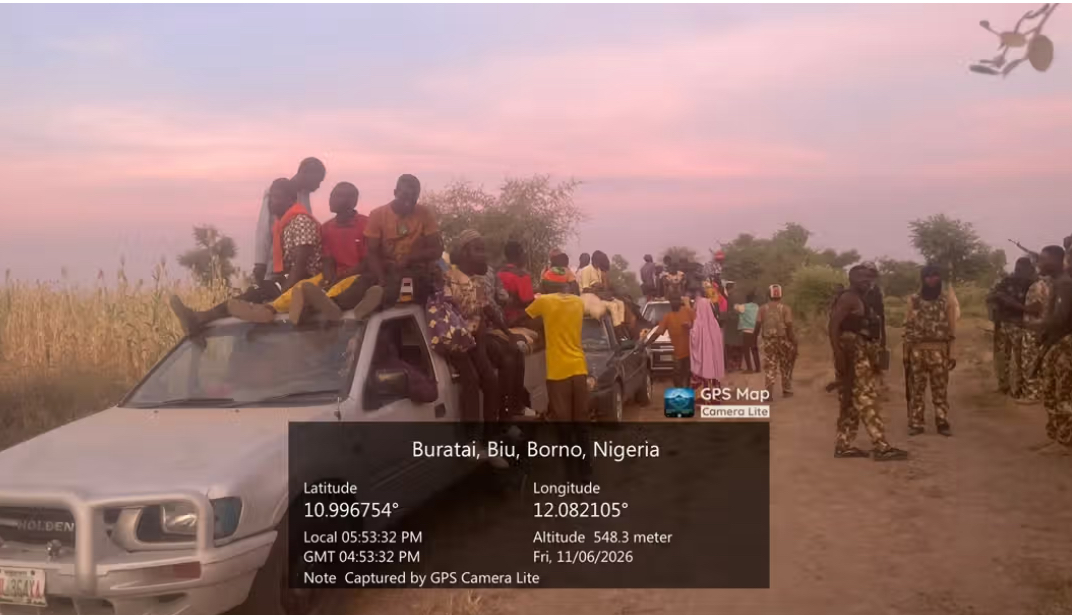
Troops Rescue 119 Kidnap Victims, Recover Eight Vehicles in Borno
Nigerian troops have rescued 119 civilians, including women and children, after confronting terrorists who abducted travellers along a major road in Borno State.
 News
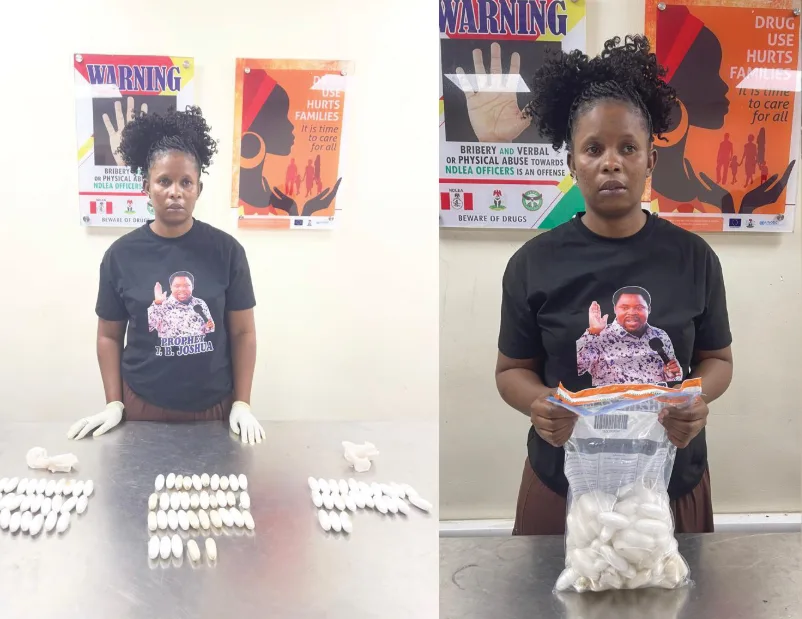
NDLEA Arrests Ugandan Woman Hiding 87 Wraps of Cocaine in Private Parts
The NDLEA arrested a 34-year-old Ugandan woman at Lagos airport after allegedly recovering 87 cocaine wraps weighing 1.15kg from beneath her underwear.
 News
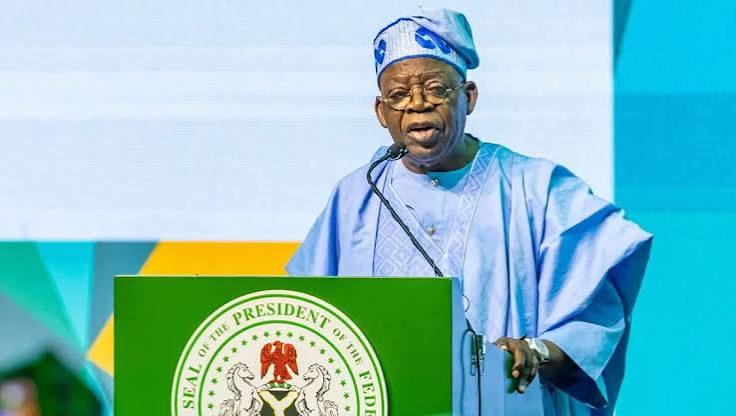
Presidency Dismisses Claims Tinubu Borrowed ₦120 Trillion in Three Years
The Presidency has rejected claims that President Tinubu borrowed ₦120 trillion in three years, blaming the figures on exchange-rate changes and previously unrecorded liabilities.
Comments (0)
Leave a comment
All comments are moderated before publishing. Your email is never published.