
From Global Commitment to Local Impact: How the GNA CAA Governance Model Connects International Development Partners to Communities
International development partners can leverage GNA’s grassroots network to verify community needs, track interventions and ensure investments deliver lasting development across Nigeria.
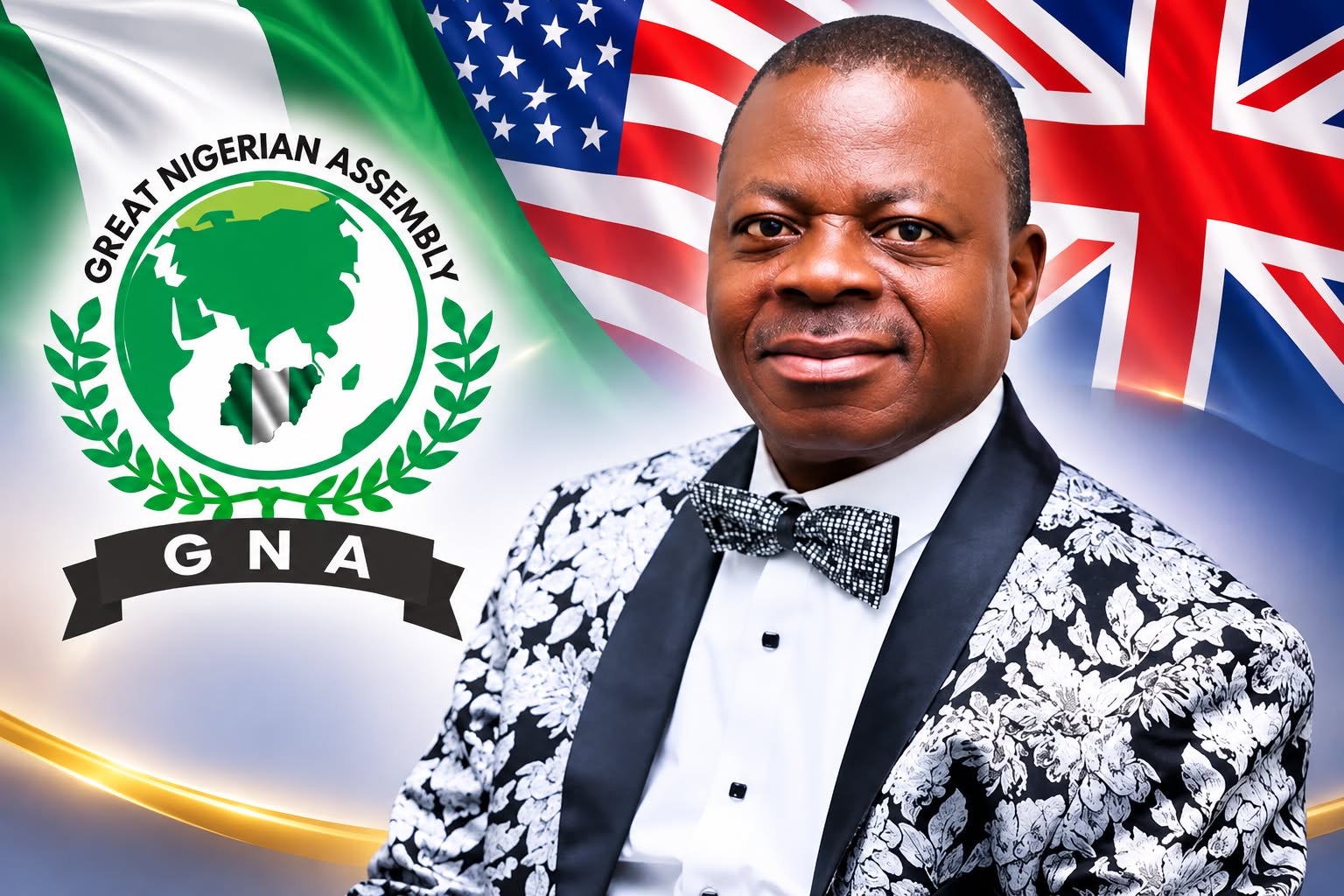
By Dr. Kayode Elusoji
For twenty years in Lagos, I built a company that served global organisations. If those years taught me anything about international institutions, it is this: they do not operate on goodwill alone. They operate on evidence. Before committing resources, they want to know that a need is real. After committing those resources, they want to know that the money reached the people it was intended for and that the results will endure for years.
Nigeria has been blessed with many friends. Multilateral banks, United Nations agencies, bilateral development agencies, global foundations and international NGOs have invested significantly in our health, education, water, agriculture and infrastructure sectors. Much of that investment has saved lives and transformed communities.
But every development professional who has worked in Nigeria understands the difficult reality: too many boreholes stop functioning within a few years, too many health centres receive equipment but remain understaffed, and too many communities that need support the most are also the hardest to reach.
Today, on Day 6 of our series, I write to our international development partners. My message is simple: the GNA Coverage Area Administrator (CAA) Governance Model can help you identify verified needs, follow interventions and protect development results long after projects have been completed.
“Global resources achieve the most when they meet local needs that are verified, owned by the community and watched over long after the project ends.”
The Last-Mile Development Challenge
Development partners face three persistent challenges in a country as large and diverse as Nigeria.
The first is identifying the need. Official data may be outdated, aggregated at state level or unavailable for remote and underserved communities. This makes it difficult for development institutions to determine precisely where interventions are most urgently required.
The second is tracking interventions. Monitoring teams cannot visit every project site regularly, while reports often depend heavily on implementing organisations. This creates a need for additional, independent sources of information from the communities where projects are taking place.
The third is sustaining results. Once a project cycle ends and the final evaluation is completed, there may be no organised system to continue observing whether the facility is functioning, whether the services are being delivered or whether the community is still benefiting.
These challenges cannot be adequately addressed from capital cities alone. They require people who live in the communities, are trained to document what they see and remain present long after project consultants and implementation teams have departed.
This is where the GNA CAA Governance Model offers a practical solution.
A Structure Already Taking Shape on the Ground
The GNA CAA Governance Model is built from the ward upwards. It provides a standardised community-level structure designed for implementation across all 774 Local Government Areas in Nigeria.
Its structure includes:
- Certified Citizen Reporters (CCRs): Trained citizens who document roads, schools, health centres, water schemes and other community facilities using photographs, videos, GPS locations and a standard condition-grading system from Level 0 (missing) to Level 5 (meets standard). CCRs operate within their own Local Government Area of residence or origin.
- Ward Managers: Three Ward Managers in every ward coordinate CCR activities and work with community structures to support systematic reporting.
- Special Development Committees: Committees comprising qualified professionals in infrastructure, health, agriculture, security and youth education review and verify reports within their respective areas of expertise.
- Local Government CAA Committees: These committees review and approve verified community needs and coordinate engagement with government institutions, Advisory Councils and development partners.
- State and National Implementation Teams: These structures connect Local Governments across the states and the Federal Capital Territory into a coordinated national network.
On October 24, 2026, our first 30 Certified Citizen Reporters took their place in Ife Central and Ife East, with the royal blessing of His Imperial Majesty, the Ooni of Ife.
Our journey towards training and certifying one million Certified Citizen Reporters has begun, with thousands more now in training across other Local Government Areas.
The objective is to build a nationwide network of trained citizens capable of providing reliable, organised and continuous information about the conditions and development needs of their communities.
How the Model Can Help International Development Partners
The GNA CAA Governance Model offers international development institutions several practical opportunities to improve the reach, accountability and sustainability of their investments in Nigeria.
1. Verified Needs Before You Commit
Every need documented on the GNA CAA Digital Platform is expected to undergo community-level review and verification by the relevant Special Development Committee.
Development partners can use this information to identify communities according to sector, location and facility condition. This provides an evidence-based starting point for deciding where resources should be directed before an intervention is approved.
Rather than relying solely on broad assessments, partners can access documented information about specific community needs.
2. Baseline Data at Community Level
The Model uses a common facility assessment system, grading infrastructure from Level 0 to Level 5.
This creates an organised basis for understanding the condition of community assets before an intervention takes place. The same standard can be applied during subsequent assessments to document changes and provide a clearer picture of progress.
For development partners, this offers a practical way to connect project investments with measurable changes at the community level.
3. Independent Community-Level Reporting During Implementation
Certified Citizen Reporters can document the progress of development projects at different stages of implementation.
Their reports provide photographs, videos, GPS locations and observations from the communities where projects are taking place.
These reports do not replace a development partner’s own monitoring arrangements, professional engineering certifications, audits or independent evaluations. Instead, they provide an additional and continuous source of local evidence that can strengthen existing monitoring systems.
4. Monitoring After the Project Cycle Ends
This may be one of the most valuable contributions of the GNA CAA Governance Model to international development partners.
Certified Citizen Reporters remain within their communities beyond the lifespan of individual projects. A borehole funded in 2026 can still be documented in 2030. A health centre renovated today can continue to be assessed in subsequent years.
This creates an opportunity to observe whether development investments remain functional, whether communities continue to benefit and whether maintenance or additional support is required.
Development should not end when a project is commissioned. Its real value is measured by how long its benefits continue to serve the people.
5. Reaching Communities That Are Often Overlooked
No community should be excluded from development support simply because it is remote, poor or lacks political influence.
Through verified reports from wards across the country, the GNA CAA Governance Model can help make underserved communities more visible to development institutions.
This allows partners to identify needs based on evidence and community conditions, helping resources reach places that might otherwise remain outside the attention of conventional development planning.
6. Reducing Duplication and Improving Coordination
In some communities, development partners may unknowingly undertake similar projects while neighbouring communities continue to lack basic infrastructure.
When government institutions, international development agencies, diaspora associations and private organisations can access a common picture of verified community needs, coordination becomes easier.
Partners can identify existing interventions, recognise unmet needs and direct their resources towards areas where they can make the greatest difference.
The goal is to reduce duplication, encourage collaboration and ensure that development investments complement one another.
7. Promoting Local Ownership and Sustainability
The GNA CAA Governance Model is people-driven.
Traditional rulers provide leadership through the Advisory Councils, community members participate in the relevant committees, and trained young people document facilities and development needs within their communities.
This creates a stronger connection between development interventions and the people they are intended to serve.
When communities understand, participate in and take ownership of development projects, there is a greater opportunity for those projects to receive attention and protection beyond the initial implementation period.
8. Recognition Through the Record of Performance
The GNA CAA Governance Model provides an opportunity for development partners to register as Non-Statutory Responsible Parties.
Verified and completed interventions can be credited to their respective Records of Performance, creating a documented record of their contributions to community development.
This recognises the role of international institutions, foundations, NGOs, businesses and other voluntary partners in improving the lives of Nigerians.
Development contributions should be visible, verifiable and properly acknowledged, regardless of whether they come from government or non-governmental institutions.
Investing in Nigeria’s Young People
The GNA CAA Governance Model also offers international development partners a direct opportunity to invest in the future of Nigerian youth.
Through the Change Nigeria Initiatives, GNA aims to train and certify one million young Nigerians over ten years across all 774 Local Government Areas.
The training begins with the Certified Citizen Reporter programme and is intended to create pathways into other areas, including digital journalism, healthcare assistance, agriculture, cybersecurity and artificial intelligence.
For international partners working in youth employment, digital skills, civic participation, education and good governance, this presents an opportunity to support a structured programme with measurable training objectives and a clear community development purpose.
Every young person trained as a Certified Citizen Reporter becomes part of a wider system designed to help communities document their needs, monitor development and attract the attention of institutions capable of providing support.
We are actively seeking development partners willing to support CCR training and certification, as well as the documentation of community infrastructure across more Local Government Areas.
“Every young Nigerian we train becomes a guardian of the investments the world makes in our communities.”
Our Commitments to Development Partners
Partnership must be built on trust, and trust must be earned. GNA is committed to maintaining clear principles in every partnership.
Non-partisanship: GNA is non-political, non-governmental and non-religious. The Model does not campaign for or against any political party or candidate.
Verification Before Publication: Reports undergo review by the relevant committees before they are published on the platform.
Clear Institutional Boundaries: CCRs and CAA officials have no policing, investigative or enforcement powers. The Model complements, but does not replace, the safeguards, audits, monitoring systems and evaluations of development partners.
Transparent Reporting: Contributions are tracked, expenditure is documented and outcomes are reported openly.
Respect for Government Institutions: The Model works alongside federal, state and local government institutions. It is designed to strengthen collaboration, not compete with or undermine existing authorities.
These commitments are important because international development partnerships require clarity of purpose, defined responsibilities, reliable information and mutual accountability.
How Development Partners Can Work With GNA
International development institutions, foundations, NGOs and other organisations interested in working with GNA can participate in several ways:
- Register as a Non-Statutory Responsible Party: Visit gnacaa.com/get-involved/rp-register to register your organisation and ensure that verified interventions can be credited to your Record of Performance.
- Use Verified Community Needs: Access documented community needs to identify and prioritise interventions within your focus sectors and geographical areas.
- Support CCR Training and Certification: Partner with GNA to train and certify young people in the Local Government Areas where your organisation operates, helping to establish lasting local reporting capacity.
- Support Local Government Onboarding: Help more Local Governments join the Model so that additional communities can document their needs and become visible to potential development partners.
- Share Intervention Updates: Provide information about your projects and interventions through the platform so that completed work can be documented, verified, credited and followed up in subsequent years.
These opportunities provide a framework for moving beyond isolated project implementation towards coordinated, evidence-based and sustainable community development.
From Global Goodwill to Lasting Local Impact
In my forthcoming book, Stop Waiting, Start Building: A Citizen’s Blueprint for Nigeria and the Rise of the Fourth Tier, I describe organised citizens as a Fourth Tier standing alongside the federal, state and local governments.
 Cover of Dr. Kayode Elusoji’s forthcoming book, Stop Waiting, Start Building: A Citizen’s Blueprint for Nigeria and the Rise of the Fourth Tier.
For international development partners, this Fourth Tier represents an organised local civic structure that can help bridge the gap between global development commitments and community-level realities.
It offers a network designed to be present in every ward, trained to a common standard, connected to community structures and committed to documenting development long after individual projects have ended.
To every development partner that has invested in Nigeria, I say thank you. Your contributions have helped improve lives, strengthen institutions and create opportunities across our country.
To every partner considering its next intervention, I say this: let us work together to ensure that every dollar, pound, euro and naira reaches the people it is intended for, and that the good it does is documented, recognised and preserved.
“The world has been generous to Nigeria. Now let Nigerians make sure that generosity reaches every community and lasts for generations.”
Tomorrow, on the eighth anniversary of the Great Nigerian Assembly, I turn to businesses and philanthropists, and to how giving can move beyond corporate social responsibility towards verified, lasting nation-building.
Partner with GNA. Fund Verified Needs. Invest in Nigeria’s Youth.
Stop Waiting. Start Building. A New Nigeria Starts With YOU!
• GN (Dr.) Kayode Elusoji
Executive Director, Great Nigerian Assembly (GNA)
Chairman, GNA TV & News · GNA Weekly · GNA
Global Pacesetter
Email: kayode.elusoji@greatnigerian.org
Sponsored
Related stories
 News
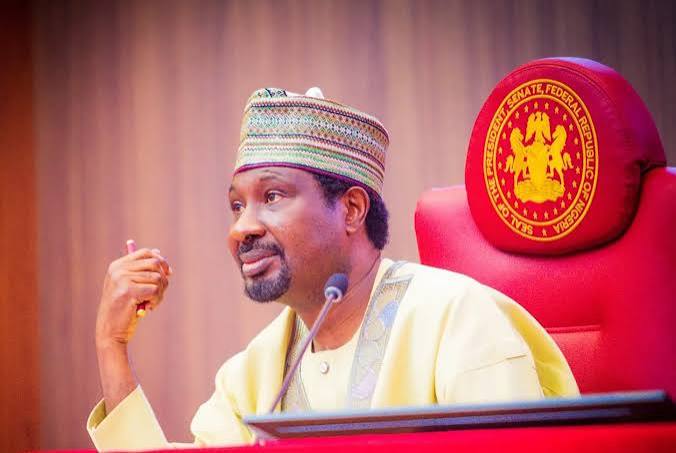
Barau Presents Admission Letters to 85 Postgraduate Scholarship Beneficiaries
Deputy Senate President Barau Jibrin has presented admission letters to 85 beneficiaries of his postgraduate scholarship programme to study at Bayero University, Kano. The scholars will pursue master's degrees in science, technology, engineering and other specialised fields.
 News
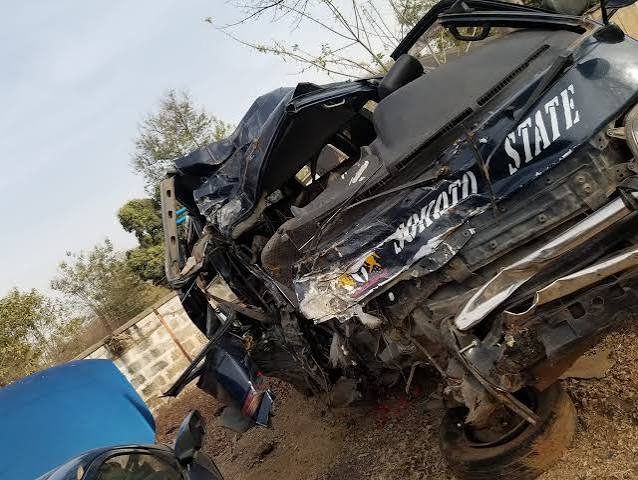
Road Crashes Kill 3,445 Nigerians In Nine Months, FRSC Reports
The Federal Road Safety Corps says 3,445 people died and 22,292 others were injured in 7,156 road crashes across Nigeria between January and September 2026. Excessive speeding and reckless driving were identified as major causes.
 News
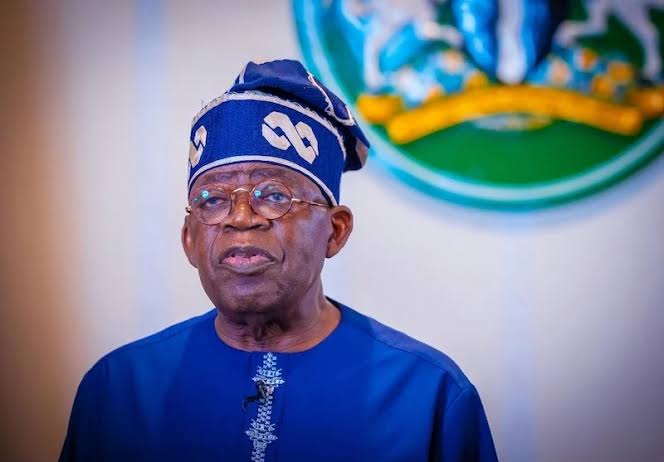
Tinubu Woos Ebonyi Voters, Highlights Administration’s Achievements
President Bola Tinubu has appealed to Ebonyi voters to support his re-election bid in 2027, with Vice-President Kashim Shettima and other APC leaders highlighting federal infrastructure projects and development initiatives in the South-East.
 News
Police Launch Manhunt for Son Accused of Killing Father in Edo
The Edo State Police Command has launched an investigation and search for a man accused of killing his father, an APC chieftain, in Fugar.
Comments (0)
Leave a comment
All comments are moderated before publishing. Your email is never published.