
Power Minister Faces Calls to Resign Over Persistent Blackouts
Civil society organisations and Nigerians have called for the resignation of Power Minister Joseph Tegbe over persistent electricity outages, questioning his handling of the crisis and demanding urgent reforms in the sector.
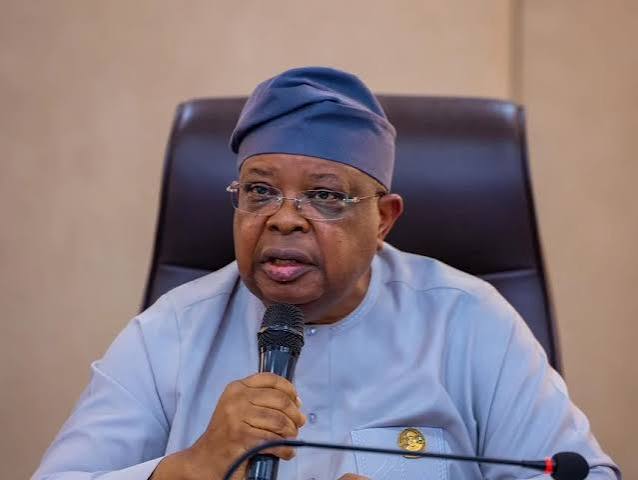
The Minister of Power, Joseph Tegbe, has come under criticism from Nigerians and civil society organisations, with some demanding his resignation over persistent electricity outages across the country.
The calls followed an update by the minister on social media on Saturday, in which he attributed the worsening power supply to planned maintenance at Egbin Power Station and gas supply constraints affecting some thermal power plants.
Tegbe assured consumers that electricity supply would begin to improve within 48 to 72 hours, adding that the Federal Government was working with relevant operators to restore affected generating units, improve gas supply and repair damaged infrastructure.
He also disclosed that the ministry had secured the release of 98 out of 300 containers of transmission equipment that had remained stranded at the ports for nearly 20 years. He said the equipment would support stalled projects, reduce pressure on overloaded substations and strengthen the national grid.
However, the minister's explanation attracted criticism from consumers and social media users, some of whom accused the government of making excuses for prolonged outages. Others faulted the ministry for failing to notify the public ahead of the maintenance work.
The National President of the Committee for the Defence of Human Rights, Yinka Folarin, described the minister's explanation as unacceptable and called on him to resign, arguing that he had failed to provide effective solutions to the electricity crisis.
Folarin also criticised the continued billing of consumers in communities that had experienced prolonged power outages, despite the high cost of electricity.
Similarly, the National Coordinator of the Human Rights Writers Association of Nigeria, Emmanuel Onwubiko, described Tegbe's handling of the situation as disappointing.
Onwubiko questioned the minister's earlier claims about excess electricity supply and his latest assurance that power would improve within 72 hours. He also called for an investigation into the power ministry's activities and greater accountability for alleged financial abuses in the sector.
The Executive Director of the Civil Society Legislative Advocacy Centre, Auwal Rafsanjani, said Nigerians were justified in demanding accountability from the minister.
He called for an independent assessment of the minister's performance against measurable targets, noting that persistent failure to deliver should attract consequences, including removal from office.
Rafsanjani, however, maintained that the electricity crisis extended beyond the minister's leadership, identifying poor planning, corruption, inadequate infrastructure, gas shortages and weak regulation as some of the underlying challenges.
He urged the Federal Government to conduct an urgent audit of expenditure in the power sector, address gas supply constraints, modernise infrastructure and enforce performance standards for sector operators.
Meanwhile, the Oyo State Coordinator of the Campaign for Democratic and Workers' Rights, Abiodun Bamgboye, argued that replacing the minister would not resolve the country's electricity problems.
Bamgboye faulted the government's explanation of gas shortages during the rainy season, questioning why the country continued to experience inadequate electricity generation despite the availability of hydroelectric power.
He also criticised the absence of advance public notification about the maintenance work, insisting that planned repairs should have clear timelines communicated to consumers.
Bamgboye said Nigeria's electricity generation capacity remained inadequate for its population, noting that the country was struggling to distribute less than 10,000 megawatts.
Other Nigerians also called for structural reforms, including the decentralisation of the national grid and the development of regional electricity networks, arguing that the existing arrangement had failed to provide reliable supply.
Sponsored

Related stories
 News
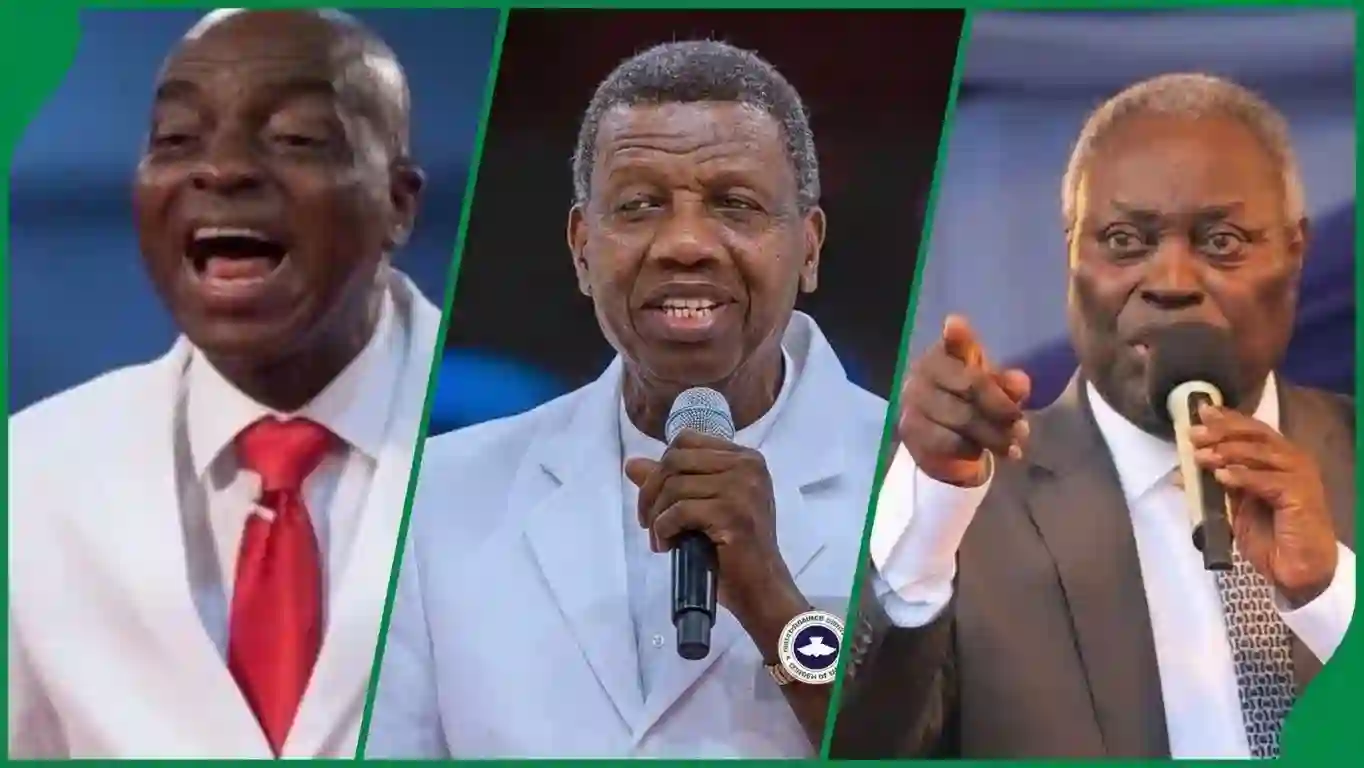
Oil Wells: Churches Deny Allegation Against Adeboye, Oyedepo, Kumuyi
The RCCG, Living Faith Church and Deeper Life have challenged allegations that Obasanjo allocated oil wells to their prominent leaders.
 News
Troops Rescue 119 Kidnap Victims, Recover Eight Vehicles in Borno
Nigerian troops have rescued 119 civilians, including women and children, after confronting terrorists who abducted travellers along a major road in Borno State.
 News
NDLEA Arrests Ugandan Woman Hiding 87 Wraps of Cocaine in Private Parts
The NDLEA arrested a 34-year-old Ugandan woman at Lagos airport after allegedly recovering 87 cocaine wraps weighing 1.15kg from beneath her underwear.
 News
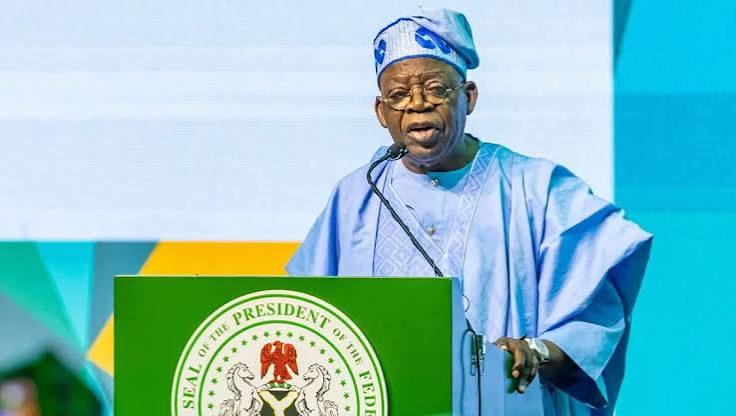
Presidency Dismisses Claims Tinubu Borrowed ₦120 Trillion in Three Years
The Presidency has rejected claims that President Tinubu borrowed ₦120 trillion in three years, blaming the figures on exchange-rate changes and previously unrecorded liabilities.
Comments (0)
Leave a comment
All comments are moderated before publishing. Your email is never published.