
Iran Threatens Retaliation Against US, Israel After Beirut Strikes
Iran threatened retaliation against the US and Israel following Beirut strikes, raising fears of regional escalation as diplomatic efforts stall and tensions continue to rise across the Middle East.
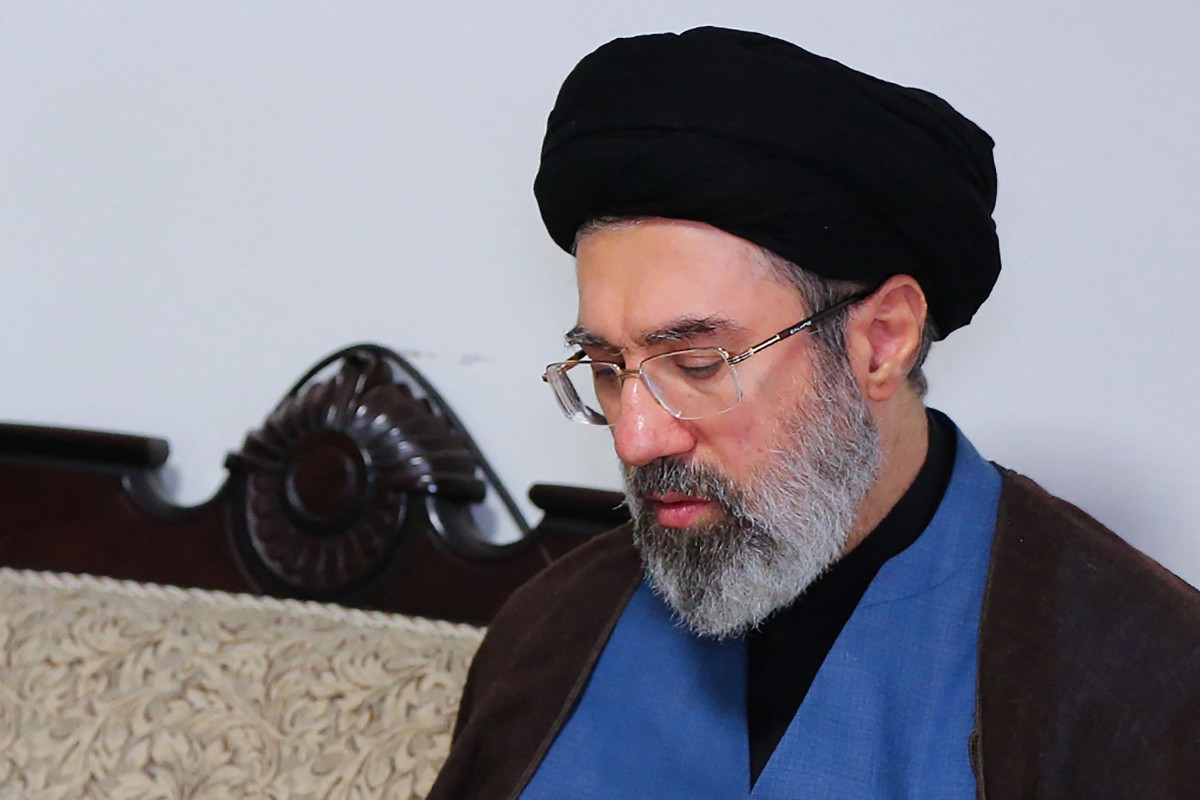
Iran has threatened retaliation against the United States and Israel following fresh Israeli strikes in Beirut, raising fears of a wider regional conflict as the Middle East war entered its 100th day.
The latest escalation comes amid stalled diplomatic efforts to secure a lasting peace agreement and growing concerns over the impact of the conflict on regional stability and global markets.
Israeli Prime Minister Benjamin Netanyahu announced that Israeli forces had struck what he described as a militant command centre in Beirut’s Dahiyeh district in response to Hezbollah attacks on Israeli territory.
The strike targeted a southern suburb of Beirut widely regarded as a stronghold of the Iran-backed Hezbollah movement. The area has been hit only a few times since mid-April despite frequent exchanges of fire along the Israel-Lebanon border.
Reacting to the attack, Iran accused Washington of supporting Israel’s actions and warned that both American and Israeli interests in the region could become targets.
Iranian Parliament Speaker Mohammad Bagher Ghalibaf said the attack, coupled with what he described as a US blockade of Iranian ports, effectively turned American and Israeli assets in the region into legitimate targets.
Similarly, Iranian lawmaker Ebrahim Rezaei warned of what he called a decisive and painful response against Israel.
Iran has consistently maintained that any permanent resolution of the conflict must also address hostilities in Lebanon, where Israel continues military operations against Hezbollah.
The renewed threats come as ordinary Iranians face increasing economic hardship caused by prolonged tensions and uncertainty. Residents interviewed by international media described worsening living conditions, rising prices, and declining purchasing power.
Meanwhile, diplomatic efforts to reduce tensions continue. Pakistan has intensified mediation efforts between Tehran and Washington, with senior Pakistani officials holding talks with Iranian leaders over the weekend.
However, negotiations remain deadlocked. Iranian officials have called for the release of billions of dollars in frozen assets, while US President Donald Trump has insisted that such measures can only be considered after a broader agreement is reached.
Sponsored

Related stories
 News
News
Police Arrest Three Suspects over Drug Possession, Child Defilement in Bauchi
Bauchi Police have arrested two men over suspected Indian hemp possession and a 20-year-old man over the alleged defilement of a seven-year-old girl in Dass.
 News
News
Oyo Government Denies Diphtheria Outbreak Claims, Says No Cases Confirmed
The Oyo State Government says no diphtheria cases have been confirmed, dismissing claims by an APC campaign organisation while outlining measures to manage suspected cases.
 News
News
Haitian-Canadian Novelist Denies Using AI to Write Debut Novel
Haitian-Canadian author Thélyson Orélien has denied using artificial intelligence to write his acclaimed debut novel, while admitting to past plagiarism and describing the controversy surrounding his work as deeply distressing.
 News
News
Fubara Commends IGP Disu for Neutrality During Rivers Crisis
Rivers State Governor Siminalayi Fubara has commended the Inspector-General of Police, Mr Olatunji Disu, for maintaining neutrality and professionalism while serving as Commissioner of Police in the state during its political crisis.
Comments (0)
Leave a comment
All comments are moderated before publishing. Your email is never published.