
Nigerian Air Force Bombs ISWAP Enclave in Borno, Inflicts Heavy Casualties
The Nigerian Air Force has carried out precision airstrikes on an ISWAP enclave in Borno State, killing multiple terrorists and destroying key infrastructure including weapons caches and vehicles
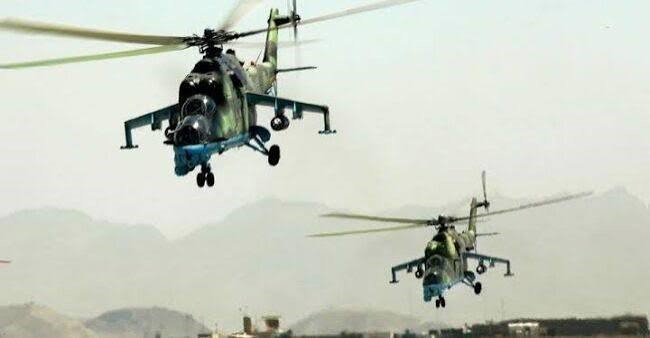
The Nigerian Air Force has dealt a devastating blow to ISWAP fighters and their operational base in Borno State through carefully executed airstrikes, the Defence Headquarters confirmed on Friday, July 11, 2026, in a statement that marks one of the most impactful aerial operations recorded in recent months.
According to a statement from the Air Force Public Relations Officer, Air Commodore Olatokunbo Adesanya, the strikes targeted a confirmed ISWAP enclave deep within the Sambisa Forest and surrounding areas of the Lake Chad Basin, locations that have historically served as the primary strongholds and operational hubs for the terrorist group.
"These precision strikes were the result of extensive intelligence gathering, aerial surveillance, and careful target identification," Adesanya stated. "The Nigerian Air Force, in collaboration with ground forces and intelligence agencies, identified the exact locations of these enclaves and moved decisively to neutralise them."
The strikes, which were carried out by Nigerian Air Force fighter jets and attack aircraft, targeted several key positions within the ISWAP enclave, including weapons storage facilities, logistics hubs, and assembly points where fighters had gathered.
The precision of the strikes allowed the Air Force to maximise damage to terrorist infrastructure while minimising risks to surrounding civilian communities. Defence sources confirmed that multiple terrorists were killed during the bombings, with several others believed to have sustained injuries as they attempted to flee the sites.
Weapons caches, motorcycles, vehicles, and communication equipment belonging to ISWAP were also destroyed in the strikes, dealing a significant blow to the group's operational capacity. The destruction of these assets is expected to further degrade ISWAP's ability to plan, coordinate, and execute attacks against military formations and civilian communities in the region.
The airstrikes form part of Operation HADIN KAI's broader multi-domain offensive that has intensified significantly over the past several weeks. The campaign has combined aerial bombardment with ground assaults, intelligence-driven raids, and psychological operations designed to weaken ISWAP's resolve and fracture the loyalty of its fighters.
Military analysts note that the targeting of logistics and supply infrastructure — rather than just individual fighters — reflects a more sophisticated understanding of how to permanently degrade a terrorist organisation's operational capacity. By destroying weapons, vehicles, and supplies, the Air Force has made it significantly harder for surviving ISWAP fighters to reconstitute and resume operations.
The airstrikes also come on the heels of a series of other major developments in the counter-insurgency campaign, including the surrender of two senior ISWAP commanders described as Munzirs and the arrest of a suspected logistics supplier for the terrorist group, all of which occurred within the past two weeks.
The Nigerian Air Force has increasingly become one of the most critical components of Nigeria's counter-insurgency strategy in the North-East. The service's investment in Intelligence, Surveillance, and Reconnaissance (ISR) capabilities has significantly enhanced its ability to locate, track, and target terrorist positions with precision.
Air Force assets, including Alpha Jets, Super Tucano aircraft, and various UAVs acquired in recent years, have been deployed extensively in the campaign, providing both lethal strike capability and real-time battlefield intelligence that has dramatically improved the effectiveness of ground operations.
The Super Tucano aircraft, 12 of which were acquired from the United States, have proven particularly effective in the North-East campaign, offering the ability to fly long missions over dense forest terrain and engage targets with precision-guided munitions that minimise collateral damage.
The Air Force said it would continue to leverage its growing capabilities to keep pressure on ISWAP and Boko Haram remnants, while working in close coordination with Army ground forces, the Navy on the Lake Chad waterways, and civilian intelligence agencies.
While the military dimension of the campaign has gained momentum, officials have also emphasised the humanitarian component of the response. The recent rescue of 360 individuals from the Mandara Mountains and the dramatic release of the 44 Oyo schoolchildren abducted on May 15 have underscored the importance of combining military action with efforts to protect and recover civilian victims.
Military commanders have reiterated their awareness that every civilian freed from captivity and every community secured from terrorist attack represents a tangible measure of progress that goes beyond battlefield statistics.
As the Air Force continues its operations, military officials have renewed their appeal to communities in Borno, Yobe, and Adamawa states to continue providing timely and credible intelligence about the movements and positions of terrorist fighters.
"Our best weapon is information from the communities we are protecting," a senior military official stated. "Every piece of information, no matter how small it seems, can be the difference between success and failure in this campaign."
The Federal Government has also reiterated its commitment to accelerating reconstruction and rehabilitation efforts in areas that have been cleared of terrorist presence, including the construction of schools, healthcare centres, and housing to help internally displaced persons return to their communities.
Sponsored

Related stories
 Security
Police Begin Rescue Operation For Abducted Oyo Headmaster
The Oyo State Police Command has launched a rescue operation for an abducted headmaster following the recent wave of school attacks in the state. Security operatives say efforts are ongoing to track down the suspects and secure the victim’s release.
 Security
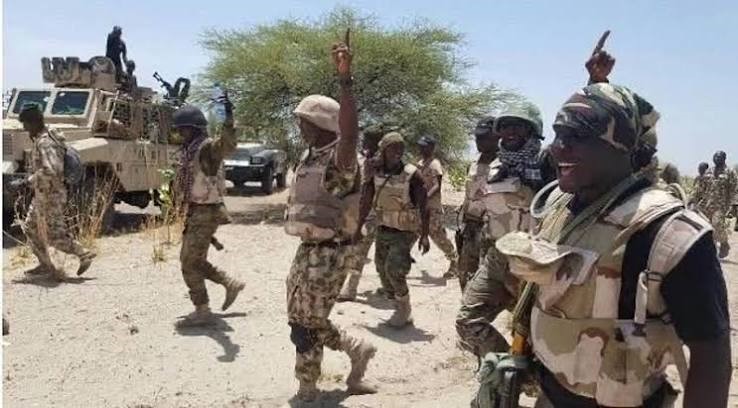
Again, Four ISWAP Family Members Surrender to Nigerian Army in Borno
Four family members linked to ISWAP have surrendered to troops in Borno State as the military continues its counter-insurgency pressure in the North-East. The latest development adds to a growing pattern of defections and surrenders from terrorist enclaves in the region.
 Security
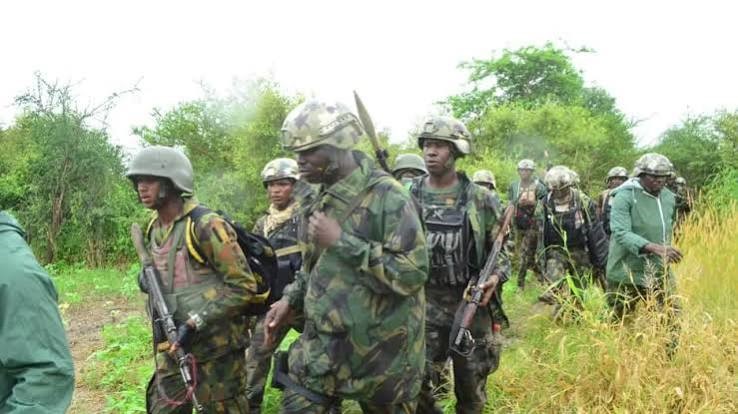
Nigerian Army Captures Suspected ISWAP Logistics Supplier in Borno State
Troops of Operation HADIN KAI have arrested a high-value suspected logistics supplier to ISWAP in Borno State, dealing another blow to the terrorist group’s supply network.
 Security
Northern Governors, Traditional Rulers Meet in Kaduna Over Security, State Police
Northern leaders met in Kaduna to review the worsening security situation in the region and renew calls for state police as a long-term solution. The gathering brought governors and traditional rulers together around a coordinated response to insecurity and governance challenges.
Comments (0)
Leave a comment
All comments are moderated before publishing. Your email is never published.