
Global Alarm: WHO Declares Rare Ebola Strain Emergency as Nigeria Activates Border Controls
Global Alarm: WHO Declares Rare Ebola Strain Emergency as Nigeria Activates Border Controls
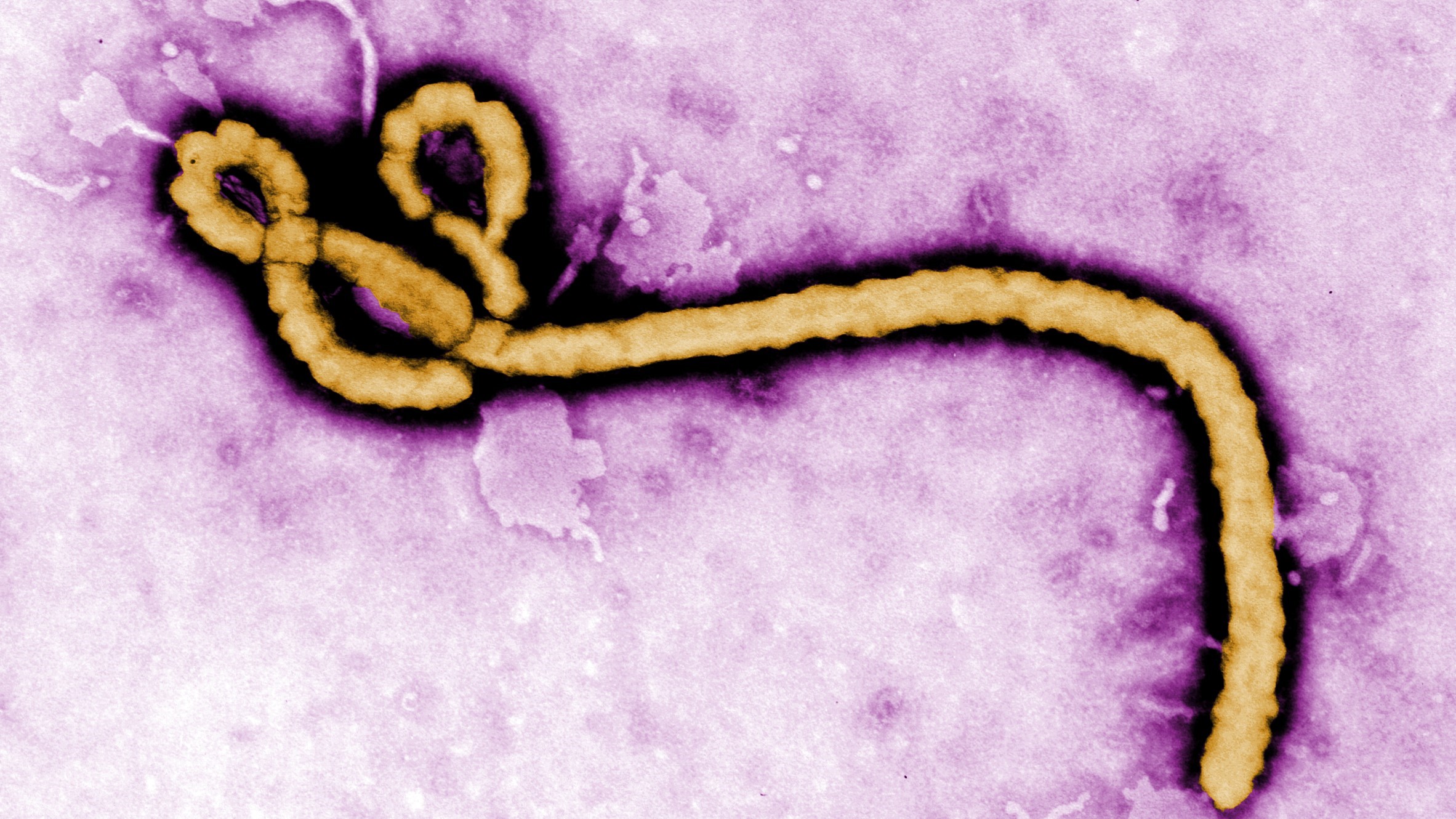
The World Health Organization (WHO) has officially declared a rapidly expanding outbreak of a rare Ebola virus strain in Central Africa a Public Health Emergency of International Concern. The announcement has triggered immediate defensive health protocols across West Africa, with the Nigerian Federal Government swiftly rolling out border screening measures.
The current global panic stems from the Bundibugyo virus variant, a less common but highly lethal strain of Ebola currently tearing through the Democratic Republic of the Congo (DRC) and Uganda. Unlike the widely studied Zaire strain, the global medical community warns there are currently no approved vaccines or targeted clinical therapeutics available for the Bundibugyo variant. Over 240 suspected cases and 80 deaths have already been recorded in the DRC's Ituri Province, with international transmission confirmed after infected travelers arrived in Kampala, Uganda.
In an emergency response briefing in Abuja, Nigeria's Coordinating Minister of Health and Social Welfare, Prof. Muhammad Ali Pate, urged calm while asserting maximum vigilance.
"Nigeria currently records zero confirmed or suspected cases of Ebola," Pate stated. He confirmed that the Nigeria Centre for Disease Control and Prevention (NCDC) has partnered with Port Health Services to activate mandatory health declarations and temperature screenings at all international airports and land borders.
NCDC Director-General Dr. Jide Idris confirmed that national reference laboratories have shifted to a high-alert status to guarantee immediate diagnostic detection should an infection cross into Nigerian borders.
Sponsored
Related stories
 Health
Diri Orders Free Quarterly Health Checks for All Bayelsa Residents at Secondary Facilities
Governor Douye Diri has directed Bayelsa's Ministry of Health to begin free quarterly medical check-ups across all eight local government areas, aimed at helping residents who cannot afford routine screening and promoting early detection of diseases.
 Health
‘Priceless Gift of Sight’ Reaches 400,000 Beneficiaries
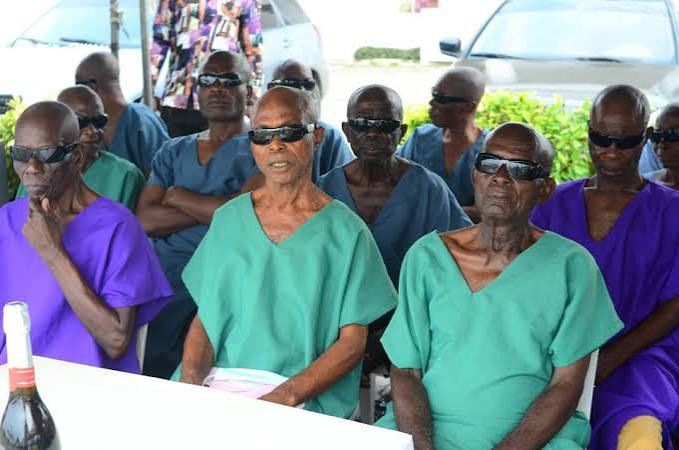
FCMB and the Tulsi Chanrai Foundation say their 15-year eye care partnership has reached over 400,000 Nigerians, as a World Sight Day roundtable in Abuja pushes for private-sector funding to sustain and expand care.
 Health
FUNAAB Launches Africa’s First AI Disease Surveillance System
Researchers at the Federal University of Agriculture, Abeokuta, have developed IDS-Master, a groundbreaking AI-powered surveillance system that detects infectious disease outbreaks in real time by analysing reports from community leaders, health agents, and ordinary residents. Described as Africa's first fully AI-driven event-based surveillance platform, the innovation promises to bridge critical gaps in outbreak detection across underserved rural communities where delays in reporting can cost l
 Health
NAFDAC Seeks Global Partners for Local Vaccine Production
The Director-General of the National Agency for Food and Drug Administration and Control (NAFDAC), Prof. Mojisola Adeyeye, has called on international partners to support the establishment of vaccine manufacturing facilities in Nigeria, saying local production is the missing link in the agency’s push to attain World Health Organisation Maturity Level 4 for vaccine lot release. She spoke at the 8th Nigeria Pharma Manufacturers’ Expo in Lagos, where she commended President Bola Tinubu’s Executive
Comments (0)
Leave a comment
All comments are moderated before publishing. Your email is never published.