
Foundation Trains 28 Seed Producers, Distributes Agro-Inputs to Boost Farming
A foundation working with the HEINEKEN Africa Foundation has trained 28 community seed producers and distributed more than 1,000 agro-inputs to smallholder farmers in Northern Bauchi, in a push to strengthen local seed systems and climate-resilient farming.
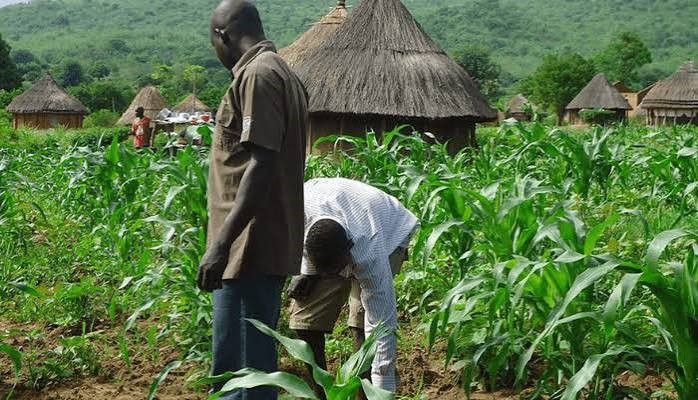
Smallholder farmers in Northern Bauchi have received a fresh boost from an intervention that combines training, inputs and community-based agricultural support. The programme, implemented by the Foundation for Sustainable Smallholder Solutions (FSSS) and the HEINEKEN Africa Foundation, trained 28 seed producers and distributed more than 1,000 agro-inputs to farmers across several local government areas in Bauchi State.
The project was carried out under the Empowerment of Smallholders to Thrive and Build Climate Resilience through Regenerative Agriculture (ESTRRA) initiative. Its main goal is to help farmers improve productivity while also building farming systems that can better withstand climate pressures such as erratic rainfall, soil degradation and pest attacks. That makes the intervention more than a one-off donation; it is meant to build longer-term resilience in rural communities.
According to the report, the agro-inputs were distributed to 11 Farmers’ Hubs serving communities in Katagum, Zaki, Giade, Itas-Gadau, Shira and Jama’are local government areas. Beneficiary communities include Gambaki, Bulkachuwa, Chibiyayi, Diga, Dogon-Jeji, Faggo and Kurba. The inputs included fertilisers, herbicides, seed treatment products, crop protection chemicals and knapsack sprayers, all of which are aimed at improving crop establishment, weed control, nutrient management and pest protection during the 2026 farming season.
A major part of the initiative is the seed-production training held in Azare. There, 28 representatives from seven community-based organisations received practical instruction in the production of rice, millet, sorghum, groundnut and cowpea seeds. The training focused on varietal purity, quality management, field inspection and certification procedures, which are critical if communities are to produce seed that is dependable enough for wider farming use.
The emphasis on local seed production is important because seed quality often determines yield before the first crop even goes into the ground. When farmers depend on low-quality or expensive external seed sources, productivity suffers and costs rise. By helping communities produce their own foundation seeds, the project is trying to reduce that dependence while also creating a more sustainable local seed economy.
Women played a substantial role in the training, making up more than half of the participants. That is a notable detail because women are often central to seed handling, food production and household farming decisions, yet they are frequently underrepresented in formal agricultural support programmes. Bringing more women into seed systems can improve both productivity and household-level food security.
Each of the seven participating organisations also received foundation seeds, fertilisers and crop protection products to establish community seed multiplication fields. The plan is for each CBO to cultivate at least three hectares, creating a minimum of 21 hectares of community-managed seed production across the project area. If successful, that could help create a local pipeline of improved seed while also generating income and technical confidence among farmer groups.
The project did not stop at field production. Farm hub managers also received business management training on record-keeping, stock management, pricing, costing and accountability. That part of the programme is crucial because many agricultural interventions fail when the business side is weak. Good records, proper pricing and transparent management can help Farmers’ Hubs remain viable after donor support ends.
The organisers said their aim is not merely to distribute seeds and inputs, but to equip communities to become seed producers themselves. That approach reflects a broader shift in agricultural development: instead of only helping farmers survive one season, the idea is to strengthen local institutions so they can keep serving farmers long after the project finishes.
In practical terms, the intervention could improve yields, reduce input shortages and strengthen climate-smart farming in Northern Bauchi. It also shows how targeted support—training, seed multiplication, input distribution and management skills—can be combined to address multiple problems at once. For smallholder farmers, that combination may be more valuable than any single input or subsidy on its own.
Sponsored

Related stories
 Agriculture
Babalola’s Farmer Support Hits N98m
Legal icon Aare Afe Babalola has disbursed N11.2 million to 81 outstanding farmers across Ekiti State's 16 local government areas, bringing total awards under his annual agricultural scheme since 2015 to N98 million.
 Agriculture
FG Launches African Swine Fever Control Campaign in Southwest
The Federal Government has launched a major African Swine Fever control and biosecurity campaign at the Oke-Aro Pig Farm Estate, distributing protective kits to farmers and pledging comprehensive training to prevent future outbreaks. The intervention by the Livestock Productivity and Resilience Support Project (L-PRES) targets one of Nigeria's largest pig production clusters, which has suffered devastating losses from the highly contagious disease in the past.
 Agriculture
Kyari: More Farmland Won’t Feed 400 Million Nigerians
Agriculture Minister Abubakar Kyari says Nigeria must treat agricultural extension as critical infrastructure, disclosing that over 100,000 farmers already receive weekly digital advisories as the country's population heads toward 400 million by 2050.
 Agriculture
Farmland Expansion Alone Won’t Feed Nigeria
Agriculture Minister Abubakar Kyari says Nigeria must shift to demand-driven, AI-enabled agricultural extension services to boost farm yields, warning that expanding farmland alone can no longer feed the country's growing population.
Comments (0)
Leave a comment
All comments are moderated before publishing. Your email is never published.