
FG Denies Spending ₦8tn Outside Budget, Says IMF Report Misrepresented
The Federal Government has denied spending ₦8 trillion outside the budget, insisting the IMF’s observations were misinterpreted and all expenditures followed legal procedures.
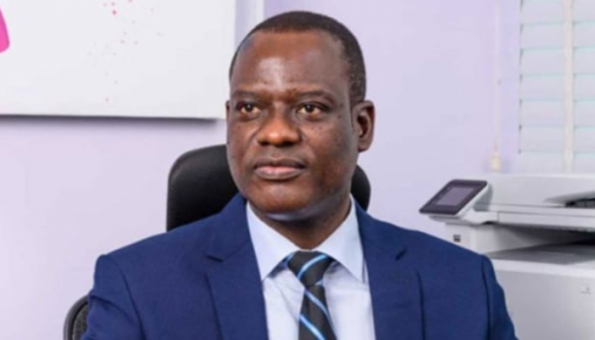
The Federal Government has dismissed claims that it spent more than ₦8 trillion outside the 2026 Appropriation Act, describing the allegations as inaccurate and a misrepresentation of the International Monetary Fund’s 2026 Article IV Consultation Report.
The clarification was contained in a statement issued on Sunday by the Minister of Finance and Coordinating Minister of the Economy, Taiwo Oyedele, following public reactions to comments attributed to the IMF regarding Nigeria’s fiscal reporting.
The controversy arose after the IMF stated that public spending equivalent to about two per cent of Nigeria’s Gross Domestic Product had not been reflected in recent official budgets, creating what it described as a statistical discrepancy in the country’s fiscal accounts.
Speaking in Lagos, IMF Resident Representative in Nigeria, Christian Ebeke, said the unreported expenditure should be properly captured in official records to provide a more comprehensive picture of government finances.
Reacting to the development, opposition figures, including former Vice President Atiku Abubakar and National Democratic Congress presidential candidate Peter Obi, called for an investigation, alleging financial mismanagement by the Federal Government.
However, Oyedele rejected the allegations, insisting that the Federal Government does not operate a shadow budget or spend public funds outside the constitutional and statutory framework.
According to him, Sections 80 to 83 and 162 of the 1999 Constitution clearly provide that public funds can only be withdrawn and spent with legal authorisation through Appropriation Acts, Supplementary Appropriation Acts and other statutory approvals granted by the National Assembly.
The minister explained that multi-year capital projects, approved budget rollovers, statutory transfers, debt service obligations and legally established intervention funds are recognised components of Nigeria’s public finance framework and should not be interpreted as unlawful spending.
He maintained that such expenditures are authorised by law, disclosed through official fiscal reports and remain subject to legislative oversight, audit and accountability mechanisms.
Oyedele added that the IMF’s observations focused on improving the comprehensiveness and presentation of fiscal reporting rather than questioning the legality of government expenditure.
He reaffirmed the Federal Government’s commitment to fiscal transparency, prudent financial management and ongoing reforms aimed at strengthening budget credibility, revenue administration, treasury management and digital financial systems.
Related stories
 News
News
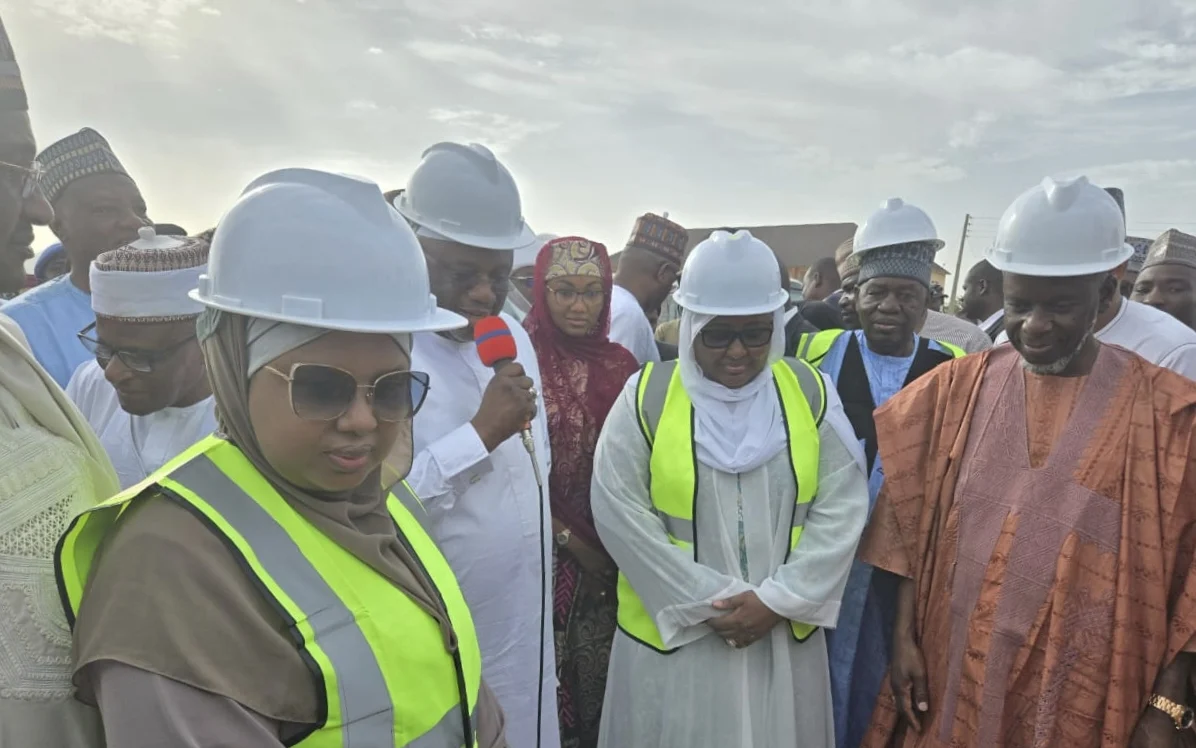
Buhari’s Greatest Legacy Is Investment In Education — Aisha Buhari
Aisha Buhari says Muhammadu Buhari’s greatest legacy is education as she inaugurates a Computer Science Complex project at Al-Qalam University, Katsina.
 News
News
Man Shot Dead In Ondo After Confronting Four-Man Robbery Gang
A technician was shot dead after confronting armed robbers in Akure, while police arrested one suspect and intensified efforts to apprehend other fleeing gang members.
 News
News
Bandits Invade 30 Sokoto Communities, Six Feared Killed
Six people are feared dead after suspected bandits attacked 30 villages in Sokoto State, displacing residents and rustling more than 1,000 livestock, reports say.
 News
News
SERAP Demands Probe Over N1.3bn Allocated to Non-Existent Presidential Council
SERAP has asked President Tinubu to investigate the release of N1.3 billion to a “Presidential Council” that the group says does not exist, describing it as potential misappropriation of public funds.
Comments (0)
Leave a comment
All comments are moderated before publishing. Your email is never published.