
FCMB Launches N20bn Healthcare Fund to Finance Hospitals, Pharma Firms, Boost Local Drug Production
First City Monument Bank has unveiled a N20 billion Healthcare Fund to provide affordable, long-term financing for hospitals, pharmaceutical companies, diagnostic centres and pharmacies across Nigeria, aligning with the federal government's push to boost local medicine production.
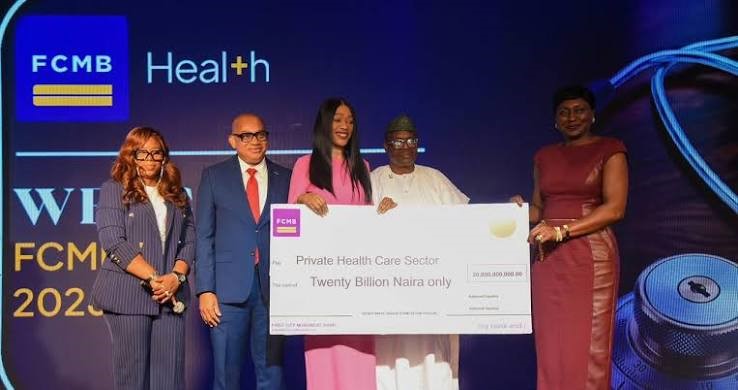
First City Monument Bank (FCMB) has unveiled a N20 billion Healthcare Fund designed to provide affordable, long-term financing to hospitals, pharmaceutical companies, diagnostic centres, pharmacies and other healthcare businesses across Nigeria, in a move aimed at bridging a persistent capital gap facing the country's private health sector.
The fund was announced at the bank's inaugural Healthcare Summit, held in Lagos under the theme "Financing Growth. Unlocking Opportunity. Building the Future of Healthcare." The event brought together healthcare leaders, policymakers, financial institutions, investors and development partners to explore practical solutions for expanding sustainable healthcare financing in Nigeria, a sector long constrained by limited access to affordable capital.
Speaking at the summit, FCMB's Managing Director and Chief Executive Officer, Yemisi Edun, whose remarks were delivered by the bank's Executive Director for Corporate Services and Service Management, Felicia Obozuwa, described healthcare as both a social necessity and an economic priority. She said the bank's intervention was designed to provide the kind of patient, long-term capital needed to strengthen Nigeria's healthcare system, rather than the shorter-term financing typically available to healthcare operators through conventional lending channels.
According to FCMB, the financing package will benefit a wide range of businesses across the healthcare value chain, including hospitals, clinics, diagnostic centres, pharmaceutical manufacturers, pharmacies and maternity homes. The fund is intended to support business expansion, acquisition of medical equipment, infrastructure development, working capital needs and technology investments — areas healthcare operators have historically struggled to finance given the limited availability of long-term lending suited to the sector's capital-intensive nature.
The bank said the initiative aligns closely with the Federal Government's broader efforts to strengthen healthcare delivery nationwide, particularly its target of producing 70 per cent of medicines and medical devices locally by 2030 under the Presidential Initiative for Unlocking the Healthcare Value Chain. As a symbolic gesture marking the fund's launch, FCMB presented a ceremonial cheque representing the N20 billion commitment to the Healthcare Federation of Nigeria (HFN), with the presentation made alongside Nigeria's Minister of State for Health and Social Welfare, Iziaq Salako.
Speaking at the event, Salako highlighted the federal government's ongoing reforms and strategic interventions aimed at strengthening the country's health system, and stressed government's commitment to deepening collaboration with the private sector in advancing Universal Health Coverage. He disclosed that more than N339 billion has been disbursed through the Basic Healthcare Provision Fund over the past 12 years, including N235 billion within the last three years alone under the Health Sector Renewal Investment Initiative. He added that a further N32.9 billion had recently been disbursed to support more than 8,300 primary healthcare centres nationwide, with plans to expand coverage to roughly 13,000 facilities in the coming years. Salako called for greater mobilisation of both private and public capital, urging healthcare operators to strengthen corporate governance, improve financial reporting practices, and explore blended-finance structures to support sustainable growth.
The President of the Healthcare Federation of Nigeria, Njide Ndili, said access to finance remains, without question, the single greatest constraint holding back the country's private healthcare sector, particularly for small and medium-sized providers who often lack the collateral or track record required for conventional bank financing. Drawing on HFN's experience through its partnership with the PharmAccess Medical Credit Fund, she noted that healthcare businesses have demonstrated strong loan repayment records when financing is paired with technical assistance, capacity-building support and quality improvement programmes, arguing that healthcare SMEs are fundamentally bankable when given appropriately structured support.
The Healthcare Federation of Nigeria brings together healthcare providers, pharmaceutical companies, diagnostic centres, health maintenance organisations and medical technology companies, working to promote an enabling policy environment, strengthen quality standards across the sector, and foster public-private partnerships in pursuit of sustainable healthcare delivery nationwide.
Beyond the fund's immediate financing objectives, the summit also examined broader investment opportunities across primary healthcare, diagnostics, local pharmaceutical manufacturing, medical equipment, digital health and related sub-sectors, reflecting growing interest among Nigerian financial institutions in healthcare as an investment category, particularly as the federal government continues pushing to reduce the country's historical reliance on imported medicines and medical devices.
Sponsored

Related stories
 Health
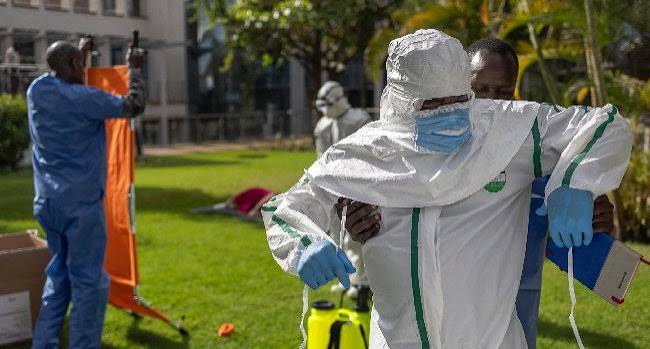
Ebola: NCDC Identifies 62 Contacts, Extends Monitoring to November 13
The Nigeria Centre for Disease Control and Prevention has identified 62 individuals who had contact with confirmed Ebola cases and is monitoring them until November 13, 2026. With two healthcare workers among the confirmed cases and the Democratic Republic of Congo's outbreak continuing to spread, Nigeria remains on high alert, intensifying surveillance at points of entry and urging citizens to report symptoms and travel history promptly.
 Health
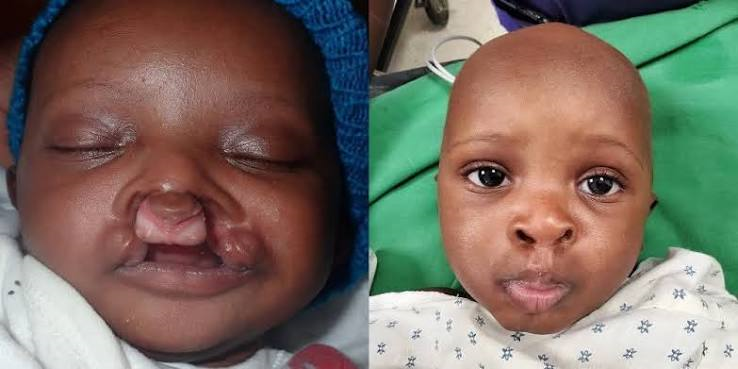
Beyond Charity: The Push for Sustainable Cleft Care in Nigeria
Nigeria faces a backlog of over 200,000 untreated cleft cases, with only about 750 specialists available to perform the 7,000 surgeries needed annually. As Smile Train and the Federal Ministry of Health launch a five-year, $10 million initiative to integrate cleft care into the national health system, experts warn that charity missions alone cannot solve a crisis rooted in limited surgical capacity, prohibitive costs, and a severe shortage of trained professionals.
 Health
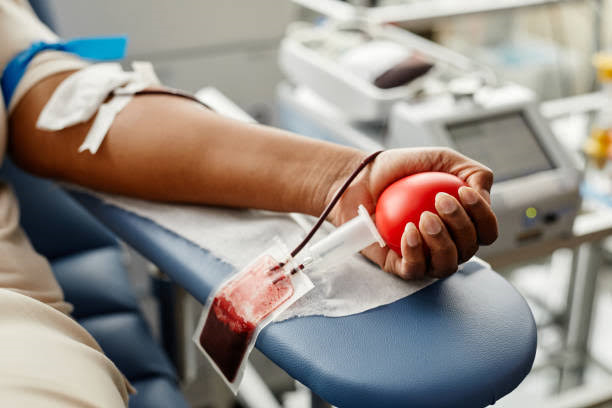
Blood Crisis: Nigeria's Supply Falls Short as NBSA Warns of Rising Risks
The National Blood Service Agency has warned that Nigeria's blood supply remains critically below national requirements, with only about 500,000 units collected annually against an estimated need of two million units. Executive Secretary Dr. Saleh Yuguda says voluntary donation stands at just 15 per cent, warning that commercial and family replacement donations are fuelling unsafe practices and putting patients at risk.
 Health
Adamawa Targets 130,000 Children in Polio Vaccination Drive
Adamawa State will run a special polio vaccination exercise from November 5 to 12 in Gombi and Fufore local government areas, targeting 130,000 children under five as part of the November National Plus Days campaign.
Comments (0)
Leave a comment
All comments are moderated before publishing. Your email is never published.