
Bauchi Declares Cholera Outbreak as Suspected Cases Rise to 398
Bauchi State has declared a cholera outbreak after recording 398 suspected cases and 16 deaths across 13 local government areas, with laboratory tests confirming active transmission of Vibrio cholerae O1 Ogawa.
The Bauchi State Government has officially declared a cholera outbreak after recording 398 suspected cases and 16 deaths across 13 local government areas. The announcement followed an increase in cases of acute watery diarrhoea and laboratory confirmation of cholera transmission in the state.
The Bauchi State Ministry of Health and Social Welfare said the figures were recorded as of July 31, 2026. The reported deaths represent a case fatality rate of four per cent, a figure that has raised concern among health authorities and development partners working in the state.
According to the situation analysis released by the ministry, Toro Local Government Area is the worst affected, with 231 suspected cases. Alkaleri and Kirfi follow with 46 cases each, while Ganjuwa has recorded 21 cases. Bauchi and Tafawa Balewa local government areas have each reported 14 suspected cases.
The six local government areas account for the largest share of the reported infections, although cases have been recorded in 13 local government areas altogether. The spread across multiple locations suggests that the outbreak requires a coordinated state-wide response rather than isolated interventions in individual communities.
The declaration was based on recommendations from the State Epidemiology Team and the Public Health Emergency Operations Centre. Officials said the decision became necessary after health facilities reported a rise in acute watery diarrhoea cases and laboratory tests confirmed the presence of cholera-causing bacteria.
Laboratory investigations have so far identified six polymerase chain reaction-confirmed cases of *Vibrio cholerae* O1 Ogawa. The finding provides definitive evidence that cholera is actively circulating in Bauchi and distinguishes the outbreak from other causes of severe diarrhoea.
Cholera is an acute diarrhoeal infection caused by consuming food or water contaminated with the bacterium *Vibrio cholerae*. It can lead to severe dehydration and death within a short period if infected people do not receive prompt treatment. Poor access to clean water, inadequate sanitation, open defecation and unsafe food-handling practices can increase the risk of transmission.
In a state where many communities depend on water sources that may be vulnerable to contamination, public health officials face the challenge of responding quickly while also addressing the environmental conditions that allow the disease to spread. Previous studies on cholera in Bauchi have linked transmission to unsafe drinking water and attendance at gatherings where sanitation may be inadequate.
The state government said it has activated a coordinated, multisectoral response to the outbreak. The response covers disease surveillance, laboratory services, case management, water, sanitation and hygiene, infection prevention and control, logistics, risk communication and community engagement.
Rapid Response Teams have been deployed to the affected local government areas to support case investigation, contact monitoring and community-level interventions. The government has also strengthened treatment centres and mobilised essential medical supplies to support patients and frontline health workers.
The emphasis on treatment centres is important because early medical attention can significantly improve survival. Patients suffering from acute watery diarrhoea need rapid rehydration, monitoring and, where clinically indicated, additional treatment. Delays in reaching care can allow dehydration to become life-threatening, particularly among young children, older people and individuals with other health conditions.
Health authorities are also expected to intensify public education as part of the response. Residents in affected communities will need clear information on the importance of drinking safe water, washing hands with soap, properly cooking food and seeking treatment immediately after symptoms appear.
Communities must also avoid relying solely on home remedies when severe diarrhoea or vomiting occurs. While oral rehydration can help replace lost fluids, a person showing signs of serious dehydration should be taken quickly to a health facility for professional care.
The Bauchi outbreak comes against the background of recurring cholera emergencies in Nigeria. The disease continues to pose a public health threat because of gaps in water supply, sanitation and hygiene infrastructure, as well as flooding and environmental contamination.
For Bauchi, the immediate priority is to stop further transmission and reduce fatalities. That will require close coordination between the state government, local councils, hospitals, development partners and community leaders.
The declaration is also a call for residents to remain vigilant. Anyone experiencing sudden watery diarrhoea, vomiting or signs of dehydration should seek medical help without delay. With rapid treatment, effective surveillance and improved access to clean water, officials hope to contain the outbreak before it spreads further across the state.
Sponsored

Related stories
 Health
Borno Hires 2,000 Health Workers, Still Faces Staff Shortage
Borno State has recruited nearly 2,000 doctors, nurses and other health professionals in two years, but the head of its contributory health agency says manpower gaps persist as demand grows under the state health insurance scheme.
 Health
Lassa Fever Kills 268 in Nigeria as Cases Hit 1,138
Nigeria has recorded 1,138 confirmed Lassa fever cases and 268 deaths across 24 states in 2026, with the case fatality rate rising to 23.6 per cent—significantly higher than the 18.6 per cent recorded during the same period in 2025. The NCDC has identified five states accounting for 88 per cent of all confirmed cases, as it intensifies preparedness efforts ahead of the peak transmission season.
 Health
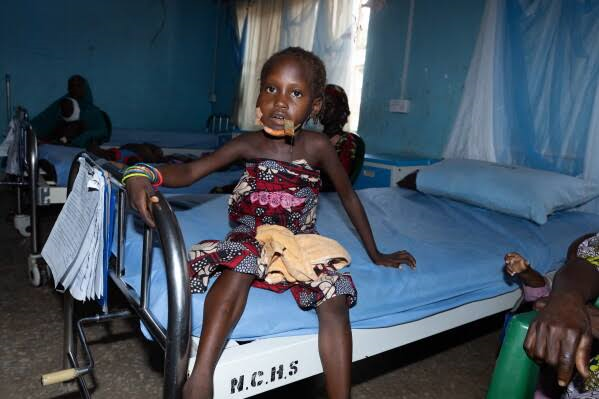
MSF Calls for Routine Noma Surveillance in Nigeria
Doctors Without Borders says noma, a fast-moving and often fatal facial infection linked to malnutrition and poverty, remains largely missing from Nigeria's routine child health programmes despite its 2023 recognition as a neglected tropical disease.
 Health
Oyo Rejects Diphtheria Outbreak Claims, Accuses APC
The Oyo State Government has dismissed claims by the Senator Sharafadeen Alli Campaign Organisation that diphtheria has affected 16 local government areas, describing the allegation as false and politically motivated. Commissioner for Health Dr. Oluwaserimi Ajetunmobi confirmed that while suspected cases have been recorded in 10 LGAs, none have been confirmed, and accused the APC campaign group of distorting immunisation data to score political points.
Comments (0)
Leave a comment
All comments are moderated before publishing. Your email is never published.