
Utazi: The Bitter Herb with Powerful Medicinal Benefits Backed by Science
From traditional Igbo medicine to modern scientific research, Utazi (Gongronema latifolium) is gaining recognition for its antioxidant, anti-inflammatory, antidiabetic, and antimicrobial properties.
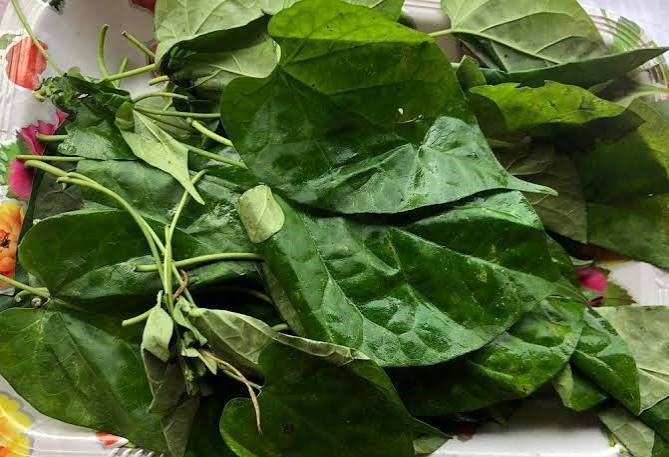
In many Nigerian homes, particularly in the Southeast, the bitter taste of *Utazi* (Gongronema latifolium) is a familiar presence in soups, herbal teas, and traditional remedies. For generations, this leafy vegetable has been revered not just for its distinctive flavour but for its potent medicinal properties. Now, growing scientific research is beginning to validate what traditional healers have known for centuries — that Utazi possesses deep therapeutic powers capable of addressing a wide range of health conditions.
Commonly known as Utazi among the Igbo people, the plant is also called Arokeke by the Yoruba and Arokokoro by the Itsekiri. It is a climbing shrub belonging to the Asclepiadaceae family. The leaves are heart-shaped, dark green, and intensely bitter , a quality that many believe is central to its healing abilities. In traditional medicine, every part of the plant ,leaves, stems, roots, and even the sap , is used for different therapeutic purposes.
In Igbo traditional medicine, Utazi is considered a “wonder leaf.” It is widely used to treat digestive problems, including stomach pain, constipation, dysentery, and loss of appetite. Nursing mothers often drink Utazi tea or add the leaves to soups to stimulate appetite and promote milk production. It is also used to manage malaria, cough, catarrh, nausea, and even as an antidote for poison. Many elderly people still chew fresh Utazi leaves as a daily tonic to boost immunity and maintain general wellness.
Its bitterness is so highly valued that it is a key ingredient in Ofe Onugbu (bitter leaf soup) and is often combined with other bitter herbs like bitter leaf and scent leaf to create powerful medicinal concoctions. Traditional healers believe that the more bitter a herb is, the stronger its ability to “cleanse the blood” and fight internal infections.
Modern research is increasingly supporting many of these traditional claims. Studies conducted at universities in Nigeria and abroad have identified several bioactive compounds in Utazi, including alkaloids, flavonoids, saponins, tannins, and glycosides. These compounds give the plant strong antioxidant, anti-inflammatory, antimicrobial, and hypoglycaemic (blood sugar-lowering) properties.
A 2024 study published in the Journal of Ethnopharmacology found that Utazi extract demonstrated significant antidiabetic activity in laboratory animals, helping to reduce blood glucose levels and improve insulin sensitivity. Another research from the University of Nigeria, Nsukka, showed that the leaf extract has strong antibacterial and antifungal effects, making it potentially useful in treating infections that are becoming resistant to conventional antibiotics.
Utazi is also rich in essential nutrients. It contains high levels of vitamins A and C, iron, calcium, potassium, and dietary fibre. These nutrients contribute to its ability to boost immunity, support blood formation, improve digestion, and promote overall metabolic health. Some studies suggest it may help lower cholesterol levels and protect the liver from damage caused by toxins and alcohol.
Health experts believe Utazi could play a bigger role in Nigeria’s healthcare system, especially in the management of non-communicable diseases such as diabetes, hypertension, and obesity, which are on the rise. Its antioxidant properties may also help combat oxidative stress linked to chronic illnesses and ageing.
However, medical professionals caution that while Utazi shows great promise, it should not replace prescribed medication. Dr. Adaora Okonkwo, a clinical nutritionist, advises that people with serious health conditions should consult qualified doctors before using Utazi as a remedy.
“Utazi is a powerful herb with real therapeutic value,” she said. “But we must be careful with dosage and frequency. Excessive consumption can cause stomach irritation in some people. It is best used as a complement to orthodox medicine, not a replacement.”
There is increasing commercial interest in Utazi. Several companies are now producing Utazi tea, powdered leaves, and herbal supplements for both local and international markets. Farmers in the Southeast are also expanding cultivation to meet rising demand from the pharmaceutical and wellness industries.
As Nigeria continues to face challenges with healthcare accessibility and the high cost of imported medicine, indigenous plants like Utazi offer an affordable, culturally acceptable, and scientifically promising alternative for preventive and supportive care.
For millions of Nigerians who have relied on this bitter leaf for generations, modern research is finally catching up with ancestral wisdom. What was once dismissed by some as “local superstition” is now being recognised as a valuable natural resource with genuine healing potential.
As research continues and awareness grows, Utazi may well emerge as one of Nigeria’s most important contributions to global herbal medicine ,a small, bitter leaf with the power to support health, fight disease, and improve lives.
Sponsored

Related stories
 Health
Borno Hires 2,000 Health Workers, Still Faces Staff Shortage
Borno State has recruited nearly 2,000 doctors, nurses and other health professionals in two years, but the head of its contributory health agency says manpower gaps persist as demand grows under the state health insurance scheme.
 Health
Lassa Fever Kills 268 in Nigeria as Cases Hit 1,138
Nigeria has recorded 1,138 confirmed Lassa fever cases and 268 deaths across 24 states in 2026, with the case fatality rate rising to 23.6 per cent—significantly higher than the 18.6 per cent recorded during the same period in 2025. The NCDC has identified five states accounting for 88 per cent of all confirmed cases, as it intensifies preparedness efforts ahead of the peak transmission season.
 Health
MSF Calls for Routine Noma Surveillance in Nigeria
Doctors Without Borders says noma, a fast-moving and often fatal facial infection linked to malnutrition and poverty, remains largely missing from Nigeria's routine child health programmes despite its 2023 recognition as a neglected tropical disease.
 Health
Oyo Rejects Diphtheria Outbreak Claims, Accuses APC
The Oyo State Government has dismissed claims by the Senator Sharafadeen Alli Campaign Organisation that diphtheria has affected 16 local government areas, describing the allegation as false and politically motivated. Commissioner for Health Dr. Oluwaserimi Ajetunmobi confirmed that while suspected cases have been recorded in 10 LGAs, none have been confirmed, and accused the APC campaign group of distorting immunisation data to score political points.
Comments (0)
Leave a comment
All comments are moderated before publishing. Your email is never published.