
Borno Hires 2,000 Health Workers, Still Faces Staff Shortage
Borno State has recruited nearly 2,000 doctors, nurses and other health professionals in two years, but the head of its contributory health agency says manpower gaps persist as demand grows under the state health insurance scheme.

The Borno State Government says it has employed nearly 2,000 health workers over the past two years to ease staff shortages and improve healthcare delivery across the state, while acknowledging that more personnel are still needed.
The Executive Secretary of the Borno State Contributory Healthcare Management Agency (BOSCHMA), Saleh Kaza, disclosed this on Tuesday in an interview with journalists in Maiduguri. According to him, the recruitment of doctors, nurses, and other health professionals has helped narrow staffing gaps in the state's health system.
Kaza said that despite the recruitment, the growing population means more health workers are still required. He explained that demand for medical services has risen, partly because of the state's contributory healthcare scheme, especially its formal sector programme covering state civil servants. As more enrollees seek care, he indicated, pressure on facilities and staff has increased.
The agency, he said, is working to strengthen healthcare facilities so that enrollees can access affordable, quality services. That emphasis is significant because health insurance only delivers value when facilities have enough staff and equipment to treat the patients who enrol. Without them, coverage can exist on paper while access remains limited.
On the longer-term response, Kaza said the state government is investing in the training of additional health professionals through medical and nursing institutions, in the hope of building a sustainable workforce. He named Kashim Ibrahim University and other health training institutions as important future sources of medical personnel, and expressed optimism that their graduates would further strengthen the workforce within the next two to three years.
He added that two additional colleges of nursing are expected to begin admitting students, while existing institutions are expanding their intake, all intended to increase the number of qualified professionals entering the sector.
Even so, the official said manpower shortages remain a concern given the number of people who need care, including beneficiaries of the state's vulnerable groups programme. He stressed the need for continued collaboration among government, healthcare providers, and relevant agencies to address staffing and service delivery challenges.
Borno's experience reflects a problem that stretches across Nigeria. The country operates with roughly one doctor for every 4,000 to 5,000 citizens, far from the World Health Organization's recommended ratio of one per 600. The gap has been widened by the continued emigration of doctors and nurses, known popularly as "Japa", and in parts of the country by insecurity. Data cited in recent reporting show that 91 health workers were kidnapped and 15 killed across 101 incidents between 2023 and 2025, which discourages professionals from taking up or staying in postings in affected areas.
The state's circumstances add further pressure. Borno has spent years dealing with the effects of insurgency, which has displaced large numbers of people and strained health services. Rebuilding and staffing facilities in such an environment is difficult, and the state also carries a heavy burden of child malnutrition and disease outbreaks, which raise the demand for clinical care.
At the national level, the Federal Government has been trying to expand the pipeline of trained professionals. Officials have said annual medical school admissions have risen from about 5,000 to roughly 12,000, with a target of 20,000 within a few years, and nursing enrolment has also grown sharply. They have cautioned, however, that it takes five to six years for the additional medical students to become practising doctors. Medical consultants have separately warned that expanding admissions without matching infrastructure and teaching staff could undermine training quality.
Kaza's timeline of two to three years for new graduates to strengthen Borno's workforce points to the same lag between investment in training and results on the ground. In the meantime, direct recruitment, as the state has done with its nearly 2,000 hires, is the main tool available to fill gaps quickly.
What remains to be seen is how far the new recruits can meet the demand driven by the insurance scheme, and whether Borno can retain them. Retention depends on pay, working conditions, security, and career prospects, factors that have pushed many Nigerian health workers to leave elsewhere. The coming expansion of nursing colleges and the first graduates from Kashim Ibrahim University will test whether the state can move from emergency hiring to a lasting supply of health professionals.
Sponsored

Related stories
 Health
Lassa Fever Kills 268 in Nigeria as Cases Hit 1,138
Nigeria has recorded 1,138 confirmed Lassa fever cases and 268 deaths across 24 states in 2026, with the case fatality rate rising to 23.6 per cent—significantly higher than the 18.6 per cent recorded during the same period in 2025. The NCDC has identified five states accounting for 88 per cent of all confirmed cases, as it intensifies preparedness efforts ahead of the peak transmission season.
 Health
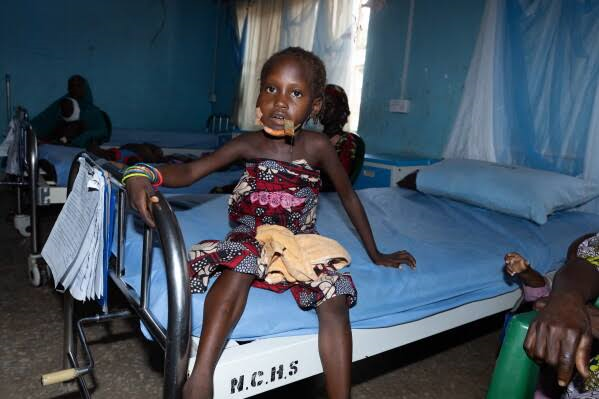
MSF Calls for Routine Noma Surveillance in Nigeria
Doctors Without Borders says noma, a fast-moving and often fatal facial infection linked to malnutrition and poverty, remains largely missing from Nigeria's routine child health programmes despite its 2023 recognition as a neglected tropical disease.
 Health
Oyo Rejects Diphtheria Outbreak Claims, Accuses APC
The Oyo State Government has dismissed claims by the Senator Sharafadeen Alli Campaign Organisation that diphtheria has affected 16 local government areas, describing the allegation as false and politically motivated. Commissioner for Health Dr. Oluwaserimi Ajetunmobi confirmed that while suspected cases have been recorded in 10 LGAs, none have been confirmed, and accused the APC campaign group of distorting immunisation data to score political points.
 Health
Dementia Crisis: Global New Cases to Hit 24.7 Million Annually by 2050
A landmark Australian-led study published in JAMA Neurology has revealed that global dementia cases will more than double by 2050, rising from 11.4 million new diagnoses in 2023 to a staggering 24.7 million annually. With women and low- and middle-income countries bearing the heaviest burden, experts warn that health systems—particularly in Africa and Nigeria—are dangerously unprepared for the coming surge.
Comments (0)
Leave a comment
All comments are moderated before publishing. Your email is never published.