
Nigeria’s Public Debt Climbs to ₦159.35 Trillion as Domestic Borrowing Surges
Nigeria’s public debt rose to ₦159.35 trillion in March as domestic borrowing continued driving government financing needs.
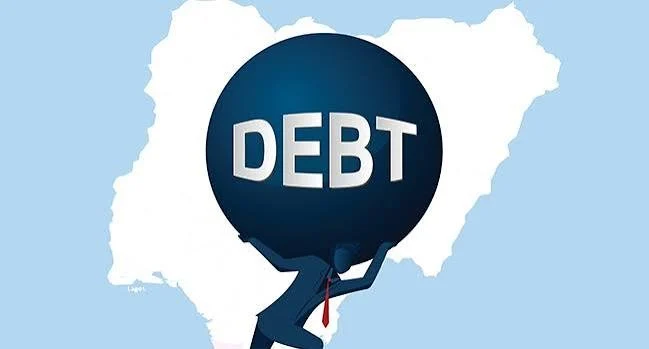
Nigeria’s total public debt rose to ₦159.35 trillion as of March 31, 2026, reflecting an increase of nearly ₦10 trillion within one year, according to the latest figures released by the Debt Management Office (DMO).
Analysis of the DMO data showed that the country’s debt stock increased by ₦9.96 trillion, representing 6.67 per cent, from ₦149.39 trillion recorded in March 2025.
In dollar terms, the increase was more pronounced, with total public debt rising by 18.22 per cent from $97.24 billion to $114.95 billion over the same period.
However, the increase recorded during the first quarter of 2026 was relatively marginal in naira terms. Between December 2025 and March 2026, Nigeria’s debt rose by only ₦75.51 billion, representing 0.05 per cent, from ₦159.28 trillion to ₦159.35 trillion.
The DMO attributed the difference between the naira and dollar movements largely to changes in the exchange rate used to convert external debt into local currency.
Using the Central Bank of Nigeria’s official exchange rate of ₦1,386.22 per dollar for March 2026, compared with ₦1,435.26 per dollar in December 2025, the naira value of Nigeria’s external debt declined despite a slight increase in its dollar value.
External debt stood at $51.90 billion in March, rising marginally by 0.09 per cent from $51.86 billion recorded three months earlier. However, its naira equivalent dropped by ₦2.48 trillion, from ₦74.43 trillion to ₦71.95 trillion, due to the stronger exchange rate.
The reduction in the naira value of external obligations was offset by increased domestic borrowing, which rose by ₦2.55 trillion, or 3.01 per cent, to ₦87.40 trillion during the quarter.
Domestic debt now accounts for 54.85 per cent of Nigeria’s total public debt, up from 53.27 per cent in December 2025, while external debt represents 45.15 per cent.
The Federal Government remained the largest domestic borrower, with its domestic debt increasing to ₦82.88 trillion, largely driven by increased issuance of Treasury Bills, which expanded by 19.6 per cent within three months.
Meanwhile, debt owed by the 36 states and the Federal Capital Territory also increased by 16.92 per cent year-on-year, reaching ₦4.52 trillion in March.
On the external front, multilateral institutions remained Nigeria’s biggest creditors, with loans amounting to $23.86 billion, led by the International Development Association (IDA) of the World Bank.
The report comes after the Federal Government increased its planned borrowing for 2026 to ₦29.20 trillion, following the expansion of the national budget.
Sponsored

Related stories
 News
News
Tinubu Urges Medical College To Solve Doctor ‘Japa’ Syndrome
President Bola Tinubu has tasked the West African College of Physicians with developing practical solutions to doctors’ migration and West Africa’s medical brain drain.
 News
News
Shoprite Set To Open Neighbourhood Stores After Shutdown
Shoprite Nigeria plans to open standalone neighbourhood stores after reopening three outlets, as investors pursue a strategy to cut costs and revive operations.
 News
News
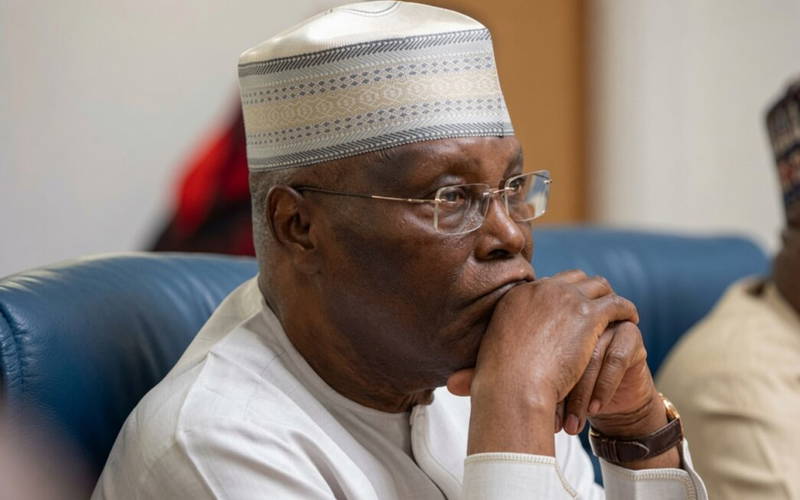
Blaming Opposition For Hunger Is ‘Delusion’ — Atiku Tells Tinubu
Atiku Abubakar has accused President Tinubu of evading responsibility for Nigeria’s economic hardship after blaming opposition politicians for hunger and poverty.
 News
News
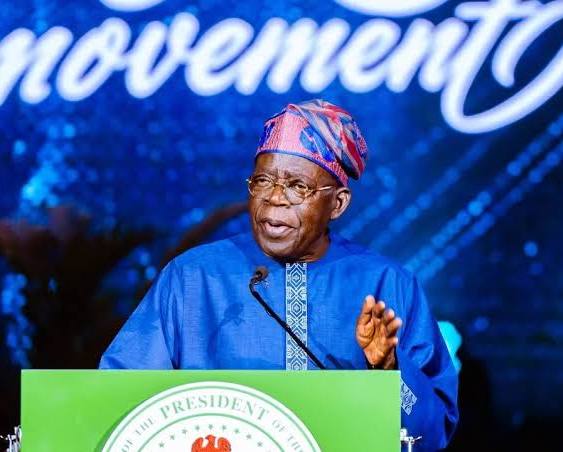
Tinubu Accuses Opposition of Creating Hunger, Poverty
President Bola Tinubu has accused opposition parties of creating the hunger and poverty they now criticise his administration over, insisting that his government is working to eradicate hardship and deliver economic prosperity.
Comments (0)
Leave a comment
All comments are moderated before publishing. Your email is never published.