
Lagos Arrests 27 Suspected Hoodlums Over Alleged Festac-Alakija Bridge Vandalism
Lagos arrested 27 suspected hoodlums for allegedly vandalising the newly constructed Festac-Alakija bridge during a midnight operation.
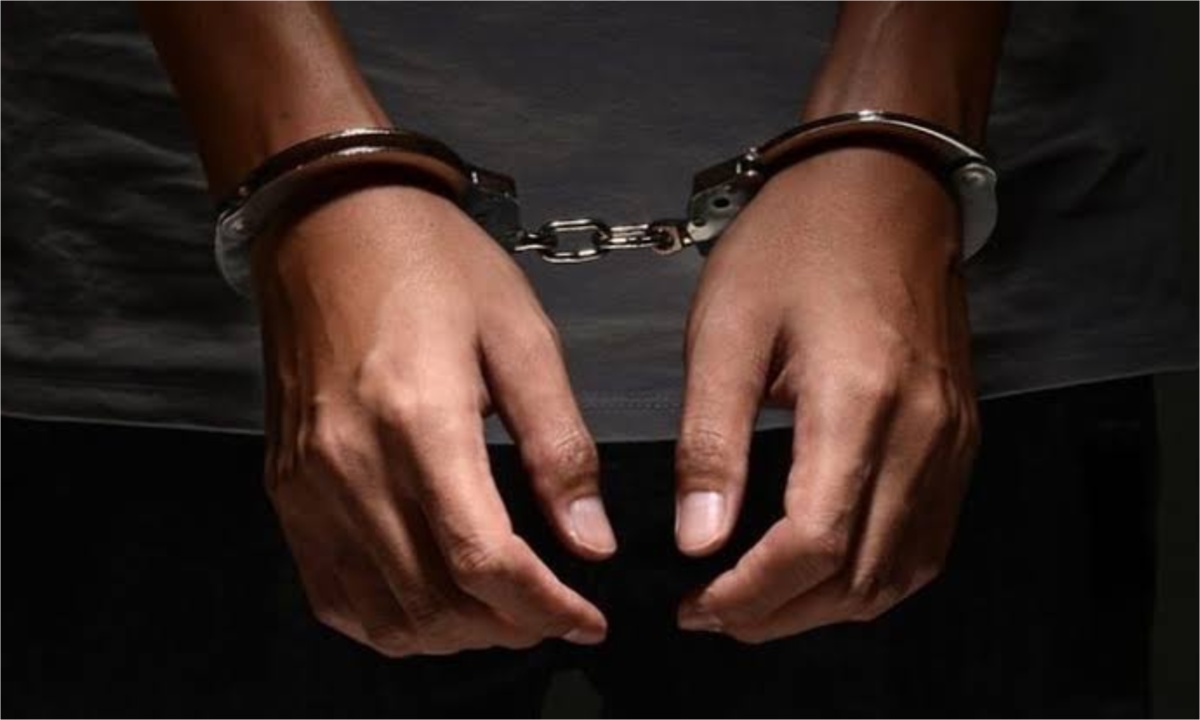
The Lagos State Government has arrested 27 suspected hoodlums for allegedly vandalising the newly constructed bridge linking Festac Town to Alakija during a coordinated overnight enforcement operation.
The Commissioner for the Environment and Water Resources, Tokunbo Wahab, disclosed the arrests in a statement issued on Friday, describing the alleged destruction of the bridge as a deliberate act of sabotage against critical public infrastructure.
According to Wahab, preliminary investigations revealed that the suspects allegedly removed essential structural components from the bridge, including iron rods, steel reinforcements, electrical cables and other materials crucial to the stability and safety of the facility.
He explained that the removal of these components could weaken the structural integrity of the bridge, endanger road users and undermine the huge financial investment made by the state government in delivering modern infrastructure.
“Investigations revealed that suspected hoodlums had deliberately vandalised critical structural components of the bridge by removing iron rods, steel reinforcements, cables and other supporting materials essential to the integrity of the infrastructure,” Wahab said.
The commissioner described the incident as a serious threat to public safety, warning that acts of vandalism not only destroy public assets but also expose innocent residents to avoidable dangers.
He noted that the suspects were apprehended during a carefully coordinated midnight operation carried out by operatives of the Rapid Response Squad (RRS) in collaboration with officials of the Kick Against Indiscipline (KAI) task force.
According to him, intelligence gathering and surveillance led security operatives to the location where the suspects were allegedly carrying out the illegal activities before they were arrested.
Wahab confirmed that all 27 suspects would be prosecuted in accordance with the relevant laws of Lagos State to serve as a deterrent to others involved in the destruction of public infrastructure.
He reaffirmed the commitment of the Lagos State Government to protecting roads, bridges and other public facilities from vandalism and criminal activities.
The commissioner stressed that enforcement agencies would continue to intensify surveillance across the state while carrying out regular operations aimed at preventing the destruction of government infrastructure.
He warned that individuals or groups found vandalising public property, violating environmental regulations or engaging in other criminal activities would face the full weight of the law.
Wahab also appealed to residents to remain vigilant and report suspicious activities around public facilities to security agencies, saying community cooperation remains vital in safeguarding infrastructure built with taxpayers’ resources.
He added that the government would not relent in ensuring that public assets are protected for the benefit of all Lagos residents.
Sponsored

Related stories
 News
News
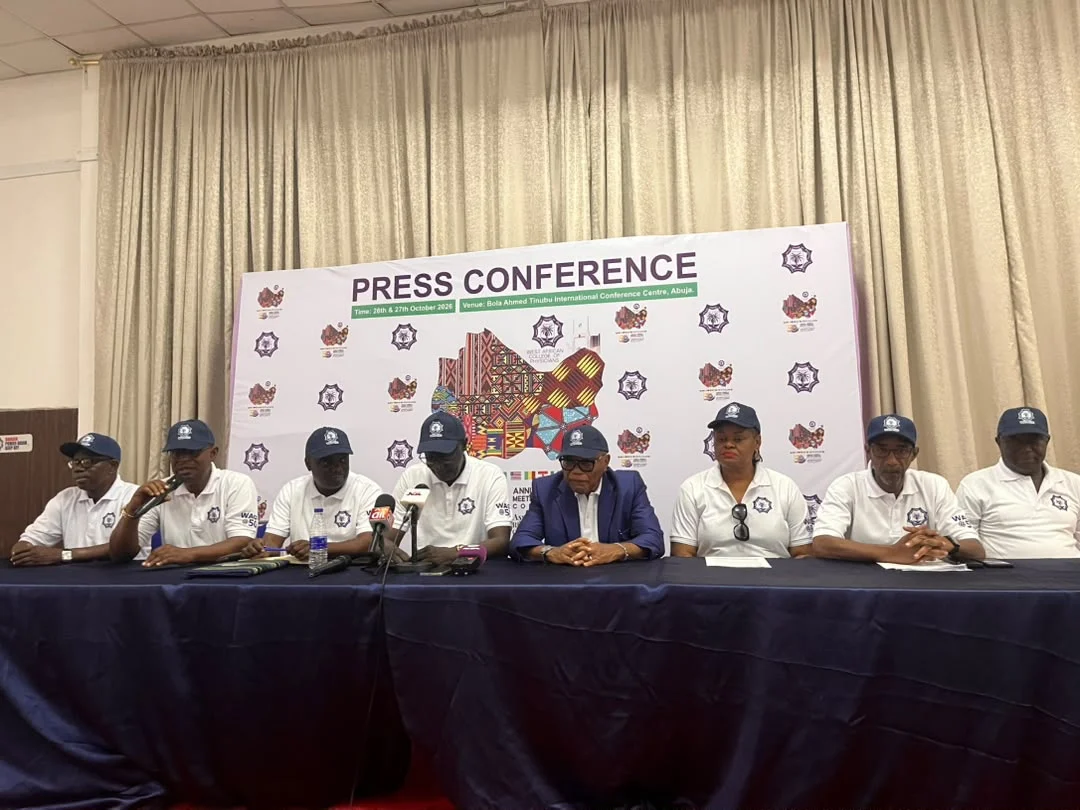
Tinubu Urges Medical College To Solve Doctor ‘Japa’ Syndrome
President Bola Tinubu has tasked the West African College of Physicians with developing practical solutions to doctors’ migration and West Africa’s medical brain drain.
 News
News
Shoprite Set To Open Neighbourhood Stores After Shutdown
Shoprite Nigeria plans to open standalone neighbourhood stores after reopening three outlets, as investors pursue a strategy to cut costs and revive operations.
 News
News
Blaming Opposition For Hunger Is ‘Delusion’ — Atiku Tells Tinubu
Atiku Abubakar has accused President Tinubu of evading responsibility for Nigeria’s economic hardship after blaming opposition politicians for hunger and poverty.
 News
News
Tinubu Accuses Opposition of Creating Hunger, Poverty
President Bola Tinubu has accused opposition parties of creating the hunger and poverty they now criticise his administration over, insisting that his government is working to eradicate hardship and deliver economic prosperity.
Comments (0)
Leave a comment
All comments are moderated before publishing. Your email is never published.