
Private Doctors Say NHFRA Will Burden Patients, Not Heal the System
Healthcare providers warn the proposed National Health Facility Regulatory Agency will duplicate existing regulators, raise costs and force patients to pay more, rather than improve safety or quality of care
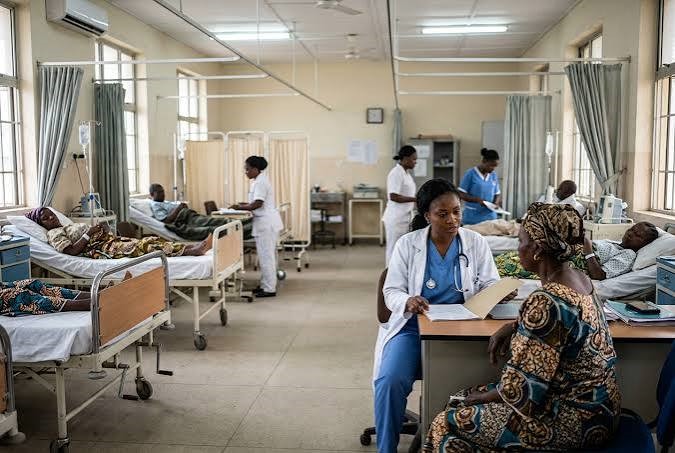
The proposed National Health Facility Regulatory Agency (NHFRA) has drawn sharp criticism from private healthcare providers, who warn that the bill will increase costs, duplicate existing regulators and ultimately burden patients rather than improve the health system.
The Healthcare Providers' Association of Nigeria (HCPAN) has urged the National Assembly to withdraw the bill, arguing that it would create an additional layer of bureaucracy without clear evidence of better patient outcomes. The association, which represents owners and operators of private clinics and hospitals, says the agency would subject providers to multiple inspections, accreditation processes, certifications and regulatory fees, driving up compliance costs.
"Setting up a national regulatory agency will create a loss of funds; it will result in more money being charged by providers, and ultimately, the patients will not be able to afford it," said one HCPAN member. He added that whatever economic burden is created will be borne by the common man, not the facility owners.
## What the bill proposes
The NHFRA Bill seeks to establish a federal agency to set national care standards, accredit medical facilities and monitor compliance across public and private health institutions. Proponents argue that Nigeria's health facilities remain dangerously under-regulated, with weak oversight contributing to quackery, substandard care and eroding public trust.
Dr. Richardson Ajayi, Chairman of the NHFRA Establishment Committee, has defended the proposal, saying the absence of unified national safety regulation exposes millions of Nigerians to risk. He stressed that while healthcare professionals are regulated by bodies such as the Medical and Dental Council of Nigeria, there is no national framework ensuring that hospitals and clinics themselves meet basic safety and operational benchmarks
The proposed agency would focus exclusively on health facilities, not medical professionals, setting minimum standards for infrastructure, equipment and patient safety. Supporters say this would create the first coordinated national framework to ensure facilities meet basic requirements before treating patients.
Healthcare providers reject the bill on several grounds. They argue that its functions duplicate those of existing regulatory bodies, including state ministries of health, the Federal Ministry of Health and Social Welfare, and professional councils. They warn that creating another agency would lead to overlapping powers, conflicting directives, duplicated inspections and higher compliance costs.
HCPAN members say the bill would make healthcare service delivery more expensive, encourage the "japa" syndrome (health worker emigration), and lead to the closure of private health facilities due to multiple taxation and high operational costs. They also cite increased regulatory and compliance costs for providers, higher healthcare costs for patients, and conflicts between federal and state regulatory responsibilities.
"The patients will bear the brunt, and more nurses and doctors will be attacked by patients because of rising medical bills," warned one provider.
Private nursing practitioners have also opposed the bill. The Association of General Private Nursing Practitioners of Nigeria (AGPNPN) told the Senate Committee on Health that the agency would create regulatory confusion, deepen professional disputes and add another layer of bureaucracy to an already complex health system. They argued it would duplicate existing regulators without significantly improving healthcare standards.
Smaller hospitals and clinics could be particularly vulnerable. Providers warn that if compliance costs become unsustainable, some facilities may be forced to scale back operations or close entirely. That would reduce access to care, especially in areas where private facilities are the main source of healthcare services.
HCPAN members insist they are not opposed to regulation itself but to a bill they believe will inflict more hardship on patients without improving health indices. They say healthcare providers were not afraid of regulation but were against the proposed bill because it would worsen the economic burden on Nigerians who already face catastrophic out-of-pocket healthcare spending amid rising poverty.
Supporters of the bill argue that stronger regulation is necessary to improve patient safety, standardise healthcare services and ensure that health facilities operate in line with national quality standards. They say the current system, which relies heavily on state ministries of health, is overstretched and ill-equipped to enforce standards, especially in the private sector.
Dr. Ajayi has said the opposition misses the real danger confronting Nigerians: unsafe facilities, poor standards and weak oversight in the very places where patients seek care. He emphasised that the NHFRA, once established, would not regulate medical professionals but would focus exclusively on health facilities.
The debate comes at a time when Nigeria's health system is already under strain. Many private facilities operate on thin margins, facing high costs for equipment, drugs, staffing and utilities. Patients, meanwhile, already bear a heavy burden of out-of-pocket spending, with limited insurance coverage and weak public health infrastructure in many areas
The controversy also reflects a deeper tension between the desire for better regulation and the fear of excessive bureaucracy. While no one disputes the need for safer facilities and higher standards, providers worry that the NHFRA would add red tape without solving the underlying problems of underfunding, workforce shortages and poor infrastructure.
As discussions on the bill continue, healthcare providers have urged the National Assembly to consider amendments that protect patients while preserving the sustainability of private hospitals, which remain a significant source of healthcare delivery and employment across the country. They want the government to strengthen existing regulators rather than create new ones.
For now, the message from HCPAN and other groups is clear: withdraw the bill or risk driving private hospitals to extinction, increasing healthcare costs and worsening access to care. The challenge for lawmakers is to find a balance between necessary oversight and practical affordability.
Sponsored

Related stories
 Health
Borno Hires 2,000 Health Workers, Still Faces Staff Shortage
Borno State has recruited nearly 2,000 doctors, nurses and other health professionals in two years, but the head of its contributory health agency says manpower gaps persist as demand grows under the state health insurance scheme.
 Health
Lassa Fever Kills 268 in Nigeria as Cases Hit 1,138
Nigeria has recorded 1,138 confirmed Lassa fever cases and 268 deaths across 24 states in 2026, with the case fatality rate rising to 23.6 per cent—significantly higher than the 18.6 per cent recorded during the same period in 2025. The NCDC has identified five states accounting for 88 per cent of all confirmed cases, as it intensifies preparedness efforts ahead of the peak transmission season.
 Health
MSF Calls for Routine Noma Surveillance in Nigeria
Doctors Without Borders says noma, a fast-moving and often fatal facial infection linked to malnutrition and poverty, remains largely missing from Nigeria's routine child health programmes despite its 2023 recognition as a neglected tropical disease.
 Health
Oyo Rejects Diphtheria Outbreak Claims, Accuses APC
The Oyo State Government has dismissed claims by the Senator Sharafadeen Alli Campaign Organisation that diphtheria has affected 16 local government areas, describing the allegation as false and politically motivated. Commissioner for Health Dr. Oluwaserimi Ajetunmobi confirmed that while suspected cases have been recorded in 10 LGAs, none have been confirmed, and accused the APC campaign group of distorting immunisation data to score political points.
Comments (0)
Leave a comment
All comments are moderated before publishing. Your email is never published.