
Ebonyi Eye Care Blitz: 400 Free Cataract Surgeries Begin at AE-FUTHA in Landmark Humanitarian Push
A major humanitarian intervention is underway in Abakaliki as AE-FUTHA, the Ebonyi State Government, and Saudi-backed Al-Basar International Foundation launch free cataract surgeries targeting hundreds of indigent patients. With advanced phacoemulsification technology and over 600 already screened, the programme offers a lifeline to those facing preventable blindness.
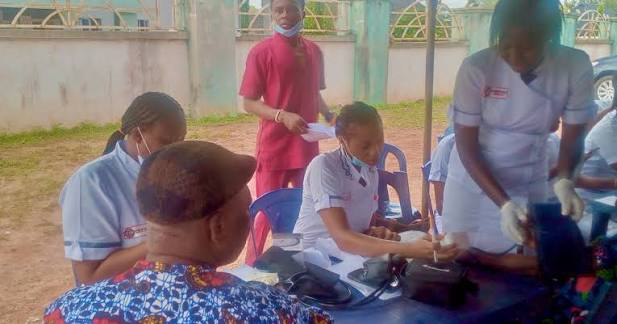
sweeping humanitarian effort to restore sight and dignity to some of Nigeria’s most vulnerable citizens is underway at the Alex Ekwueme Federal University Teaching Hospital, Abakaliki (AE-FUTHA), where a coalition of local and international partners has begun free cataract surgeries for hundreds of indigent patients.
The exercise, which commenced with patient screening on Monday, November 16, and surgical procedures on Tuesday, is scheduled to run until November 22. It is a collaboration between AE-FUTHA, the Ebonyi State Government, and the Al-Basar International Foundation, with funding from the King Salman Humanitarian Aid and Relief Centre of Saudi Arabia.
At the flag-off ceremony on Tuesday, the Chief Medical Director of AE-FUTHA, Prof. Robinson Onoh, described the initiative as a deliberate response to the barriers that keep poor Nigerians from accessing quality eye care. He said the programme was designed to reach people who could not afford treatment, offering them a chance to see again without financial burden.
More than 20 patients had already undergone surgery by the time of the flag-off, and the medical team is targeting between 400 and 800 procedures, depending on the number of eligible patients who present themselves. The surgeries are being performed using phacoemulsification, an advanced cataract technique that Onoh noted is more sophisticated than conventional surgery and can cost millions of naira at some facilities.
“This is about restoring hope,” Onoh said, urging residents of Ebonyi and neighbouring states with cataract-related problems to take advantage of the ongoing screening and surgery. He commended Governor Francis Nwifuru for providing the enabling environment for the visiting medical team, and acknowledged the contributions of the governor’s wife, Chief Mrs Mary-Maudline Uzoamaka Nwifuru, through her Better Health for All initiative.
The scale of need has already exceeded expectations. Belo Abdullahi Yuguda, Regional Administrative Manager of Al-Basar International Foundation, Kano, revealed that more than 600 patients with cataracts had been recorded during the exercise—well above the initial target of 400 surgeries. However, he explained that not all screened patients could undergo immediate surgery because some presented with underlying health conditions, including high blood pressure, retinal complications, and corneal problems. Such patients, he said, require further medical attention before they can safely undergo cataract surgery.
Yuguda said patients who could not be operated on during the Abakaliki exercise could access similar services at the foundation’s facilities in Ibadan, Bauchi, Kano, and other locations. He appealed to the Ebonyi State Government to consider providing transportation assistance for patients requiring referral to other centres, so that they too can benefit from the programme.
The initiative is part of a broader annual humanitarian intervention in eye healthcare, with the King Salman Humanitarian Aid and Relief Centre providing the funding and Al-Basar International Foundation serving as the technical partner responsible for coordinating medical services and specialist teams. About 20 members of the visiting foundation’s team are working alongside AE-FUTHA’s ophthalmology department to deliver the services.
For Ebonyi, the programme represents more than a medical outreach. Cataract remains one of the leading causes of preventable blindness in Nigeria, disproportionately affecting poor and rural communities. Free, high-quality surgery at a teaching hospital of AE-FUTHA’s standing sends a powerful signal that partnerships between government, local institutions, and international philanthropies can deliver tangible results where they are needed most.
As the surgical team works through the week, the message from Abakaliki is clear: for hundreds of people who had resigned themselves to a life in the dark, the light is quite literally being restored—one surgery at a time.
Sponsored

Related stories
 Health
Abia Records 60% Drop in Maternal Deaths Under Otti
Abia State has recorded a stunning 60 per cent reduction in maternal mortality between 2024 and 2026, emerging as the state with the second-lowest rate nationwide. Behind the statistic lies a relentless grind: 190 renovated primary healthcare centres, 123 functionalised clinics, solar power for rural facilities, and a nursing college expansion that signals the Otti administration is treating maternal survival as an infrastructure project—not a slogan.
 Health
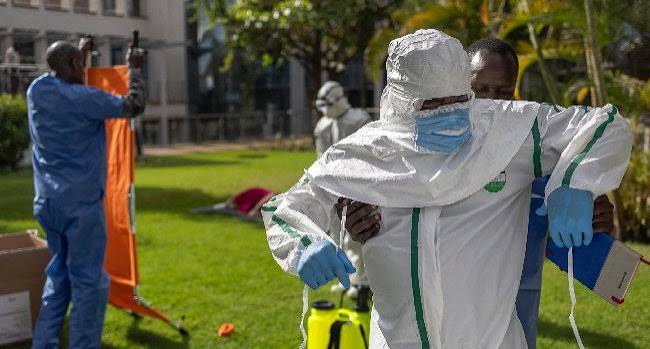
Ebola: NCDC Identifies 62 Contacts, Extends Monitoring to November 13
The Nigeria Centre for Disease Control and Prevention has identified 62 individuals who had contact with confirmed Ebola cases and is monitoring them until November 13, 2026. With two healthcare workers among the confirmed cases and the Democratic Republic of Congo's outbreak continuing to spread, Nigeria remains on high alert, intensifying surveillance at points of entry and urging citizens to report symptoms and travel history promptly.
 Health
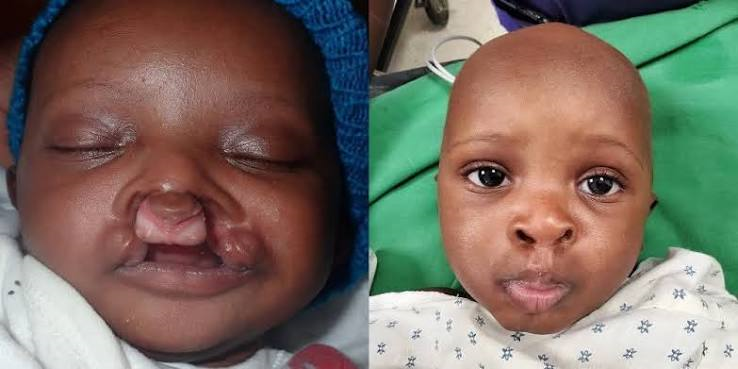
Beyond Charity: The Push for Sustainable Cleft Care in Nigeria
Nigeria faces a backlog of over 200,000 untreated cleft cases, with only about 750 specialists available to perform the 7,000 surgeries needed annually. As Smile Train and the Federal Ministry of Health launch a five-year, $10 million initiative to integrate cleft care into the national health system, experts warn that charity missions alone cannot solve a crisis rooted in limited surgical capacity, prohibitive costs, and a severe shortage of trained professionals.
 Health
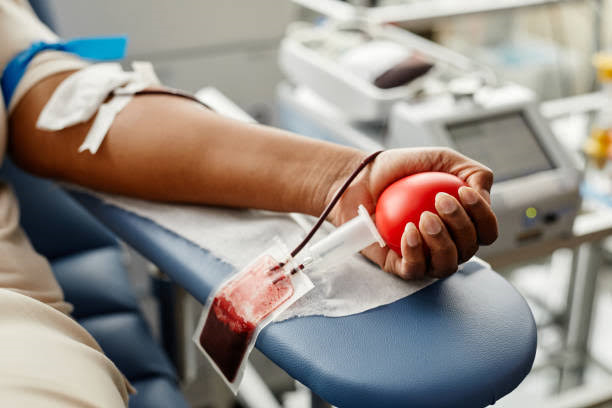
Blood Crisis: Nigeria's Supply Falls Short as NBSA Warns of Rising Risks
The National Blood Service Agency has warned that Nigeria's blood supply remains critically below national requirements, with only about 500,000 units collected annually against an estimated need of two million units. Executive Secretary Dr. Saleh Yuguda says voluntary donation stands at just 15 per cent, warning that commercial and family replacement donations are fuelling unsafe practices and putting patients at risk.
Comments (0)
Leave a comment
All comments are moderated before publishing. Your email is never published.