
Abia Records 60% Drop in Maternal Deaths Under Otti
Abia State has recorded a stunning 60 per cent reduction in maternal mortality between 2024 and 2026, emerging as the state with the second-lowest rate nationwide. Behind the statistic lies a relentless grind: 190 renovated primary healthcare centres, 123 functionalised clinics, solar power for rural facilities, and a nursing college expansion that signals the Otti administration is treating maternal survival as an infrastructure project—not a slogan.

Abia State has recorded a 60 per cent reduction in maternal mortality between 2024 and 2026, a figure that now places it as the state with the second-lowest maternal mortality rate in Nigeria, Commissioner for Information Okey Kanu announced on Monday during a briefing on the outcome of the State Executive Council meeting presided over by Governor Alex Otti.
The announcement is not merely a statistical curiosity. In a country where pregnancy remains a lethal gamble for too many women, a 60 per cent drop in two years represents one of the most dramatic maternal health turnarounds recorded by any Nigerian state in recent memory. Kanu, represented by the Special Adviser to the Governor on Media and Publicity, Ferdinand Ekeoma, attributed the improvement to ongoing reforms in the health sector, framing it as evidence of the administration’s commitment to strengthening healthcare delivery and expanding access to quality medical services for mothers and children.
The architecture behind the number is concrete. Of the 200 Project Ekwueme Primary Healthcare Centres earmarked for renovation, 190 have been completed, and 123 have been functionalised to provide essential healthcare services. Twenty-seven of those centres have been solarised, with work ongoing on nine others, while all 77 World Bank Impact health projects in the state have been completed. For pregnant women in rural Abia, a functional primary healthcare centre with reliable power is not an abstraction—it is the difference between a safe delivery and a preventable tragedy.
The manpower pipeline is being widened in tandem. The National Nursing and Midwifery Council, in an accreditation report released on November 13, increased the admission quota of the Aba Campus of the College of Nursing Sciences from 75 to 120 students. Kanu described the increase as recognition of the state’s investments in healthcare manpower development, a quiet acknowledgment that renovated buildings mean little without trained hands to staff them.
Abia’s progress is not isolated. The state has featured in federal health assessments as one of Nigeria’s better-performing states in maternal and infant survival, recording only one maternal death in the first quarter of 2026, according to a Federal Ministry of Information report. The state has also participated in the Maternal and Neonatal Mortality Reduction Innovation Initiative (MAMII), with Health Commissioner Professor Uche Enoch disclosing that 52 high-risk pregnancies identified and managed across three participating local government areas resulted in successful deliveries with no maternal deaths among the women. Abia has further domesticated the federal Rural Emergency Services and Maternal Transport Programme, designed to provide access to emergency care and reduce maternal, child and neonatal mortality.
The Otti administration’s broader health surveillance record reinforces the picture. Kanu disclosed that no cases of diseases of public health importance—including Ebola, Lassa fever, COVID-19, diphtheria, cholera, mpox and yellow fever—were reported in Abia during the period under review. On the Ebola scare that gripped the country, Health Commissioner Professor Enoch Ogbonnay-Uche said the index case reported on October 20 had been transferred to Switzerland, where the patient recovered, and all 62 traced contacts completed the mandatory 21-day monitoring period and were cleared as of November 13.
Education has not been left behind. Kanu reaffirmed that the education sector continues to receive 20 per cent of the state’s budgetary allocation, and announced that Dr Christopher Okoro, Rector of Ogbonnaya Onu Polytechnic, Aba, had emerged Administrator of the Year in a nationwide poll with 148,267 votes, citing institutional transformation, human capital development, and technical education.
For Governor Otti, the 60 per cent reduction is a vindication of a governance philosophy that treats primary healthcare as the first line of defence for vulnerable citizens. But the work is far from finished. Twenty-two Project Ekwueme centres remain unfunctionalised, rural transport networks still need strengthening, and the gains must be sustained beyond a single political cycle. What Abia has proven, however, is that maternal mortality is not an immutable curse. It is a policy outcome—and with renovated clinics, solar power, trained nurses, and emergency transport, it can be bent downward faster than many believed possible.
Sponsored

Related stories
 Health
Ebonyi Eye Care Blitz: 400 Free Cataract Surgeries Begin at AE-FUTHA in Landmark Humanitarian Push
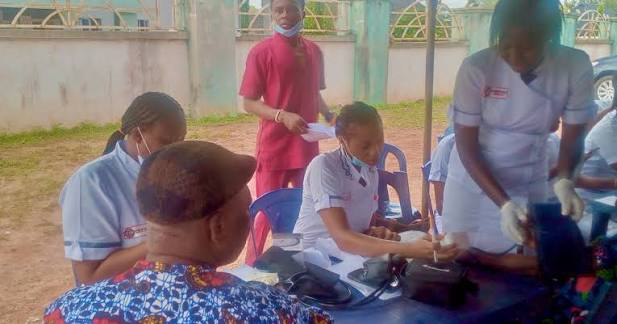
A major humanitarian intervention is underway in Abakaliki as AE-FUTHA, the Ebonyi State Government, and Saudi-backed Al-Basar International Foundation launch free cataract surgeries targeting hundreds of indigent patients. With advanced phacoemulsification technology and over 600 already screened, the programme offers a lifeline to those facing preventable blindness.
 Health
Ebola: NCDC Identifies 62 Contacts, Extends Monitoring to November 13
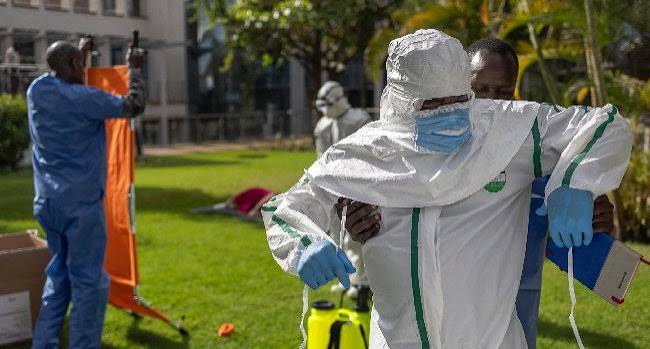
The Nigeria Centre for Disease Control and Prevention has identified 62 individuals who had contact with confirmed Ebola cases and is monitoring them until November 13, 2026. With two healthcare workers among the confirmed cases and the Democratic Republic of Congo's outbreak continuing to spread, Nigeria remains on high alert, intensifying surveillance at points of entry and urging citizens to report symptoms and travel history promptly.
 Health
Beyond Charity: The Push for Sustainable Cleft Care in Nigeria
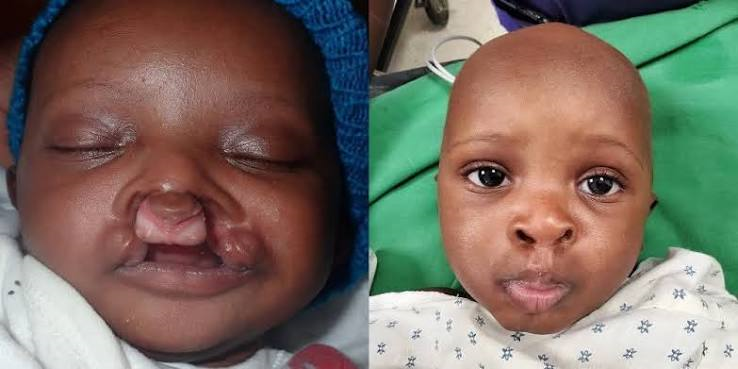
Nigeria faces a backlog of over 200,000 untreated cleft cases, with only about 750 specialists available to perform the 7,000 surgeries needed annually. As Smile Train and the Federal Ministry of Health launch a five-year, $10 million initiative to integrate cleft care into the national health system, experts warn that charity missions alone cannot solve a crisis rooted in limited surgical capacity, prohibitive costs, and a severe shortage of trained professionals.
 Health
Blood Crisis: Nigeria's Supply Falls Short as NBSA Warns of Rising Risks
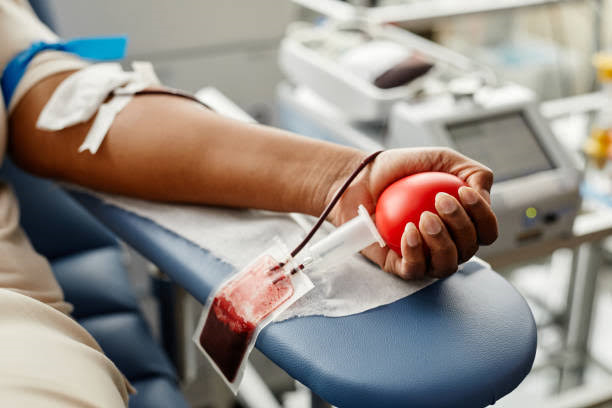
The National Blood Service Agency has warned that Nigeria's blood supply remains critically below national requirements, with only about 500,000 units collected annually against an estimated need of two million units. Executive Secretary Dr. Saleh Yuguda says voluntary donation stands at just 15 per cent, warning that commercial and family replacement donations are fuelling unsafe practices and putting patients at risk.
Comments (0)
Leave a comment
All comments are moderated before publishing. Your email is never published.