
DSS Arrests Former Minister Uche Nnaji, Hands Him Over to ICPC
Operatives of the Department of State Services (DSS) have arrested former Minister of Science, Technology and Innovation, Chief Uche Nnaji, and handed him over to the ICPC.
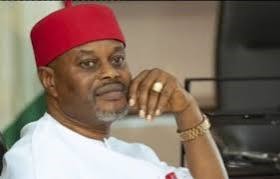
In a dramatic turn of events, operatives of the Department of State Services (DSS) have arrested former Minister of Science, Technology and Innovation, Chief Uche Nnaji, and formally handed him over to the Independent Corrupt Practices and Other Related Offences Commission (ICPC) for further investigation.
The arrest and transfer, which sources described as part of an ongoing investigation, marks a significant development in efforts by the country's anti-corruption agencies to hold public officials, past and present, accountable for their stewardship in office.
Details surrounding the specific allegations that led to the arrest and handover remained sketchy at the time of filing this report, with authorities yet to issue an official statement outlining the nature of the case.
However, sources close to the matter indicated that the arrest may be linked to ongoing investigations into alleged irregularities during Nnaji's tenure as a minister in the immediate past administration.
The ICPC, upon taking custody of the former minister, is expected to commence formal interrogation and investigative procedures in line with its statutory mandate of tackling corruption within the public service.
The commission has, over the years, been at the forefront of investigating and prosecuting cases of corruption, bribery, and abuse of office involving public officials, contractors, and other stakeholders in the country's public sector.
The DSS, on its part, has continued to play a critical role in national security operations, including intelligence gathering, counter-terrorism efforts, and the arrest of individuals suspected of engaging in activities that undermine the country's security and democratic order.
The arrest of Nnaji is being viewed as part of the broader effort by the Federal Government to strengthen accountability, transparency, and the fight against corruption within the public sector.
The Tinubu administration has consistently maintained its commitment to promoting good governance, prudent management of public resources, and holding officials accountable for their actions while in office.
The Economic and Financial Crimes Commission (EFCC), the ICPC, and other anti-corruption agencies have continued to intensify investigations into various cases involving former and serving public officials, contractors, and other stakeholders.
In recent months, several high-profile individuals, including former ministers, state officials, and top executives of government agencies, have been subjected to investigation, arrest, and prosecution over alleged corruption and financial mismanagement.
The arrest of Nnaji is expected to attract significant public attention, with stakeholders closely monitoring the developments and the actions of the ICPC in the coming days.
Civil society organisations, anti-corruption advocates, and members of the public have continued to call for sustained action against corruption, urging the country's anti-graft agencies to remain professional, impartial, and diligent in their operations.
They have also called for the prosecution of corruption cases to be handled with diligence, transparency, and adherence to due process, stressing that public confidence in the justice system depends on the effective handling of such matters.
Chief Uche Nnaji served as Minister of Science, Technology and Innovation during the earlier phase of the current administration, before he stepped down from the position amid controversies over his academic credentials.
His tenure at the ministry drew mixed reactions from stakeholders, with some highlighting policy initiatives aimed at driving innovation and technology development in the country, while others raised concerns about specific aspects of his stewardship.
Nnaji, who hails from the South-East, had been a prominent figure in the country's political and public service landscape, having been involved in various political and business engagements before his ministerial appointment.
His arrest and handover to the ICPC represent a significant moment in the ongoing anti-corruption drive, particularly given the profile of the individual involved and the political implications of the case.
The former minister is expected to cooperate with the ICPC during the investigation, with his legal team likely to engage the commission to ensure that his rights are protected throughout the process.
Sources indicated that the ICPC would conduct thorough investigations into the allegations, gather evidence, and, if the findings warrant it, file appropriate charges against the former minister in a competent court of law.
The commission has consistently emphasised that its investigations and prosecutions are guided by evidence, professionalism, and adherence to due process, stressing that no individual, regardless of status or position, is above the law.
The Federal Government, through the Office of the Attorney-General of the Federation and Minister of Justice, has continued to reaffirm its commitment to supporting the country's anti-corruption agencies in carrying out their statutory responsibilities.
The government has also called on the general public to support anti-corruption efforts by providing useful information, cooperating with investigators, and reporting suspected cases of corruption through the established channels.
The development involving Chief Uche Nnaji is expected to reignite public conversations about the state of accountability in Nigeria's public sector, the effectiveness of the country's anti-corruption institutions, and the wider implications for governance and public trust.
Civil society organisations, political observers, and legal experts are expected to closely monitor the case and offer perspectives on its implications for the ongoing anti-corruption drive.
The arrest and handover of a former minister to the ICPC also send a strong signal about the current administration's stated commitment to holding public officials accountable, regardless of their political affiliations or connections.
Stakeholders have called for the ICPC to conduct its investigations diligently, transparently, and in line with the principles of natural justice, stressing that the credibility of the country's anti-corruption efforts depends on the fair treatment of all suspects.
They have also urged the commission to ensure that the case is not politicised, stressing that political interference could undermine public confidence in the anti-corruption drive and compromise the integrity of the process.
The ICPC is expected to release official statements in the coming days, providing further details about the case, the specific allegations against the former minister, and the next steps in the investigation.
The Department of State Services (DSS) has, similarly, remained tight-lipped on the specifics of the arrest, with observers expecting the agency to work closely with the ICPC in advancing the investigation.
The Tinubu administration has, in recent times, taken various steps to strengthen the country's anti-corruption framework, including reforms in public financial management, procurement processes, and asset recovery mechanisms.
The government has also continued to emphasise the importance of prevention, education, and public engagement in the fight against corruption, working closely with civil society organisations, international partners, and other stakeholders.
The latest development involving Chief Uche Nnaji is expected to further test the resolve of the country's anti-corruption institutions and the government's commitment to holding public officials accountable for their actions.
As the ICPC advances its investigation, attention will be firmly fixed on the process, the outcomes, and the broader implications for the fight against corruption in Nigeria.
The developments will also serve as an important test case for the country's anti-corruption architecture, particularly in dealing with high-profile individuals who have held positions of authority in the public service.
Related stories
 News
News
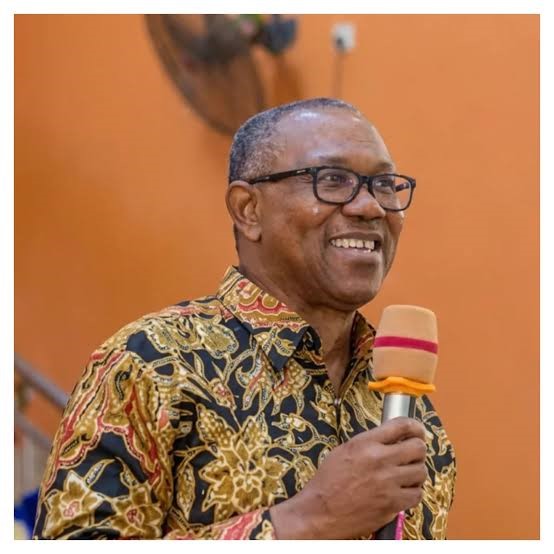
2027: Peter Obi Unveils Vision for Education, Industrialisation, National Unity
The 2027 presidential candidate of the Nigeria Democratic Congress (NDC), Peter Obi, has unveiled a vision focused on transforming education, driving industrialisation, and strengthening national unity.
 News
News
Nigerian Army Declares 104 Soldiers Missing, Says They Absconded, Are Deserters
The Nigerian Army has officially declared 104 of its personnel missing, describing them as deserters who allegedly absconded from their duty posts without authorisation
 News
News
Oyo Schools to Reopen Thursday as NUT Suspends Strike
The Nigeria Union of Teachers (NUT), Oyo State Chapter, has suspended its ongoing strike action, paving the way for the reopening of public schools across the state on Thursday, July 2, 2026
 News
News
Natasha Commends Air Peace Over Evacuation of 533 Nigerians from South Africa
Kogi Central Senator, Natasha Akpoti-Uduaghan, has commended Air Peace and its Chairman, Chief Allen Onyema, for successfully evacuating 533 Nigerians stranded in South Africa amid the ongoing migrants crisis.
Comments (0)
Leave a comment
All comments are moderated before publishing. Your email is never published.