
Diplomatic Hurdles, Regional Volatility Strain Initial Progress of Newly Signed U.S.-Iran Interim Accord
High-level implementation talks between the U.S. and Iran in Bürgenstock, Switzerland, have been officially postponed immediately following the signing of a landmark Middle East peace memorandum.
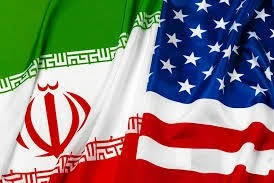
The highly anticipated follow-up technical talks between the United States and Iran, originally scheduled to commence in Switzerland, have been abruptly postponed. The diplomatic delay comes less than 48 hours after U.S. President Donald Trump and Iranian President Masoud Pezeshkian separately endorsed a memorandum of understanding (MoU) intended to halt months of intense Middle Eastern hostilities and reopen the strategically vital Strait of Hormuz.
The Swiss Foreign Ministry confirmed on Friday morning that the planned multilateral sessions at the Bürgenstock mountaintop resort, which were also set to include representatives from Qatar and Pakistan, will no longer take place as scheduled.
While the ministry reaffirmed its active readiness to facilitate future dialogues and noted that preparatory technical work remains ongoing in the Alpine country, authorities declined to provide a rescheduled calendar date for the negotiations.
The diplomatic pause was initially triggered on Thursday evening when the White House announced that U.S. Vice President JD Vance had canceled his departure for the European summit. A presidential spokesperson attributed the decision to fluid logistical challenges, remarking that "the logistics of these negotiations have never been simple or predictable."
Concurrently, Tehran displayed its own administrative hesitation, with the semi-official Tasnim news agency reporting that nothing had been formally locked in regarding the departure of the Iranian delegation. Iranian officials explicitly signaled that Washington must demonstrate concrete, practical implementation of the initial truce before subsequent structural rounds can proceed.
Geopolitical analysts point out that the implementation of the fragile 60-day interim agreement is facing immense pressure from renewed battlefield friction. Although the accord technically mandates a comprehensive cessation of hostilities across all regional fronts, including Lebanon, violent clashes have immediately flared up again.
Israel, which was excluded from the direct negotiations and has openly distanced itself from the Washington-Tehran roadmap, launched a series of heavy retaliatory airstrikes in southern Lebanon and the Bekaa Valley following a localized encounter that claimed the lives of four Israeli soldiers.
Compounding the diplomatic friction are the highly contrasting domestic political undercurrents driving both administrations. In Iran, Supreme Leader Ayatollah Mojtaba Khamenei, who assumed ultimate authority following his father’s death in an airstrike on the opening day of the conflict on February 28, issued a written statement revealing he holds a "different view" on the concessions made in the document.
While Khamenei ultimately granted his official authorization to respect the commitments made by President Pezeshkian's cabinet, Iran's chief negotiator, Mohammad Bagher Ghalibaf, issued a stern public warning on social media, threatening a decisive retaliation should Western actors breach the treaty.
Under the current terms of the interim agreement, the United States military has already executed its first core requirement by officially lifting its naval blockade of Iranian ports, though American warships are confirmed to be maintaining a watchful presence in the broader territorial waters.
The upcoming 60-day diplomatic window is structurally designed to pave the way for long-term technical talks regarding Tehran’s contested nuclear program, though international observers remain highly skeptical about the prospects of securing a permanent treaty amid ongoing cross-border violence.
Related stories
 News
News
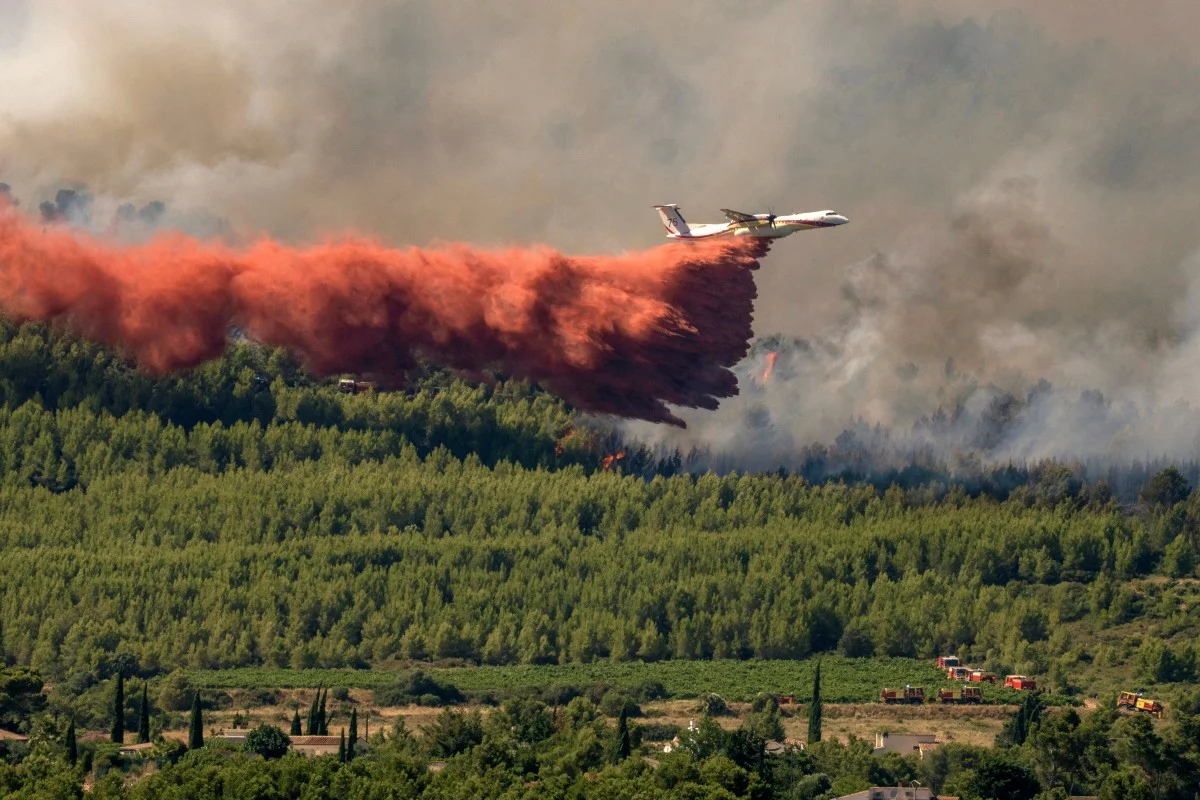
Wildfires Rage in France, 3,000 People Evacuated
Nearly 3,000 people have been evacuated in southern France as wildfires spread through coastal communities, forcing authorities to deploy hundreds of firefighters and water-bombing aircraft to contain the flames.
 News
News
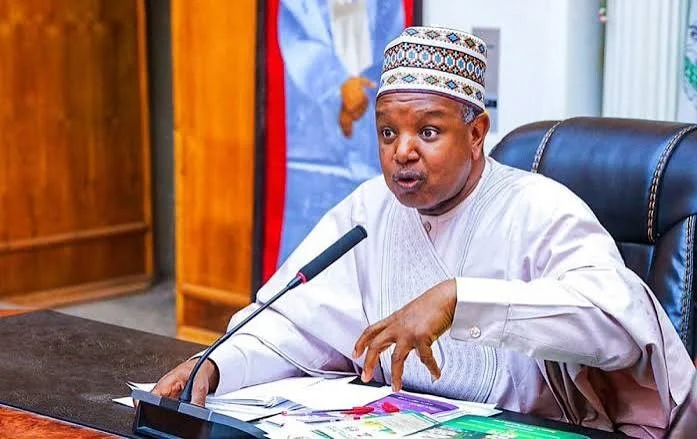
Tinubu’s Reforms Have Made Nigeria Africa’s Investment Hub — Bagudu
Budget Minister Abubakar Bagudu says President Bola Tinubu’s economic reforms have improved macroeconomic stability, boosted investor confidence and positioned Nigeria as Africa’s leading destination for long-term investment.
 News
News
Minister Backtracks, Says Adire Not Approved for NYSC
Youth Development Minister Ayodele Olawande has clarified that Adire has not been approved as the new NYSC uniform, saying the fabric remains one of several proposals under consideration.
 News
News
FCT: I Won’t Slow Down, Join Me in Developing Nigeria — Tinubu to Citizens
President Bola Tinubu has assured Nigerians his administration will sustain infrastructure development, urging citizens to support ongoing projects as he commissioned the rehabilitated Old Keffi Road in Abuja.
Comments (0)
Leave a comment
All comments are moderated before publishing. Your email is never published.