
Desertification Fight: NAGGW Raises 500,000 Seedlings for Jigawa Tree Planting Project
In a major push to combat desertification and environmental degradation, the National Agency for the Great Green Wall (NAGGW) has raised over 500,000 seedlings of various tree species for planting across Jigawa State in the 2026 season. The agency's Director-General, Alhaji Sale Abubakar, disclosed this during a field inspection of project sites, revealing ambitious targets that include 50 hectares of refilling, 50 hectares of new plantations, and a 10-kilometre shelter belt to protect communiti

The National Agency for the Great Green Wall (NAGGW) has raised over 500,000 seedlings of various tree species for planting across Jigawa State in a determined effort to combat environmental degradation and push back the encroaching desert, the agency's Director-General, Alhaji Sale Abubakar, has announced.
Abubakar disclosed this to newsmen during a one-day field visit to project sites across the state, where he inspected the progress of ongoing restoration activities. He said Jigawa is among the northern states implementing the Great Green Wall project, in line with President Bola Ahmad Tinubu's Renewed Hope Agenda for environmental protection. The seedlings raised for the 2026 planting season will be deployed at NAGGW project sites and also distributed to communities, as well as private and public institutions, for onward planting.
The Director-General outlined ambitious targets for the season, stating, "In this 2026 season, we are targeting 50 hectares for refilling across our project sites, 50 hectares at new plantation fields, and also a 10km shelter belt site." He expressed satisfaction with the progress observed at sites including Maigari and Yarda Kangiwa, describing the development as "very encouraging and promising in our determination to fight against desertification, erosion, global warming, and other related environmental degradation."
The project has already begun to transform the landscape in several communities across the state. In Fari, the agency has established 10 hectares of gum Arabic and 20 hectares of woodlots, while another 10 hectares of cactus and gum Arabic have been planted at Yarda Kangiwa in Kaugama Local Government Area. Five hectares of woodlots have also been established in Balangu, Kafin Hausa Local Government Area, while approximately 10 kilometres of neem trees have been planted along the Kamataraye shelterbelt in Maigatari. These plantations represent a critical line of defence for communities increasingly exposed to the effects of climate change, offering protection against wind erosion while providing potential sources of energy and economic benefits.
Speaking to newsmen, the NAGGW field officer for Jigawa State, Mr Kabiru Abubakar, explained that the project has multiple targets, including planting economic trees that produce food, trees that produce raw materials such as gum arabic, trees for woodlots, and many traditional trees for conservation. "So, besides tackling desertification, erosion, and environmental degradation, the project also targets enhancing community nutrition and the provision of tree-related items in a guided method," he said. He emphasised that community involvement was central to the project's success, with residents engaged in protecting plantations and educated on environmentally friendly sources of power and sustainable environmental practices.
The significance of the gum arabic component of the project cannot be overstated. NAGGW has been actively promoting the cultivation of gum arabic in ecologically suitable areas to combine environmental restoration with sustainable livelihood opportunities for rural communities. The crop, which is derived from acacia trees native to the Sahel region, is a valuable export commodity with growing global demand. By integrating gum arabic production into its restoration efforts, NAGGW is creating a model that addresses both environmental degradation and rural poverty simultaneously.
The Great Green Wall programme is being implemented across Nigeria's 11 frontline states, including Borno, Yobe, Jigawa, Kano, Katsina, Zamfara, Sokoto, Kebbi, Bauchi, Gombe, and Adamawa. In 2025, the agency announced a five-year strategic plan to plant 50 million date palm trees across these states, beginning with five million seedlings. The initiative is designed not only to restore degraded land and strengthen climate resilience but also to generate economic opportunities for millions of vulnerable Nigerians. NAGGW has also been implementing complementary interventions, including solar-powered boreholes and sustainable land management practices, to address the root causes of environmental degradation and improve living conditions in affected communities.
The Bulama of Yarda Kangiwa community, Alhaji Ibrahim Shehu, expressed gratitude to the federal government for the intervention, which he said has already begun making a tangible difference in the area through the provision of shade, roofing wood, and other resources. He pledged the community's continued support for the project, recognising its potential to secure the future of generations to come.
However, officials have cautioned that planting the trees is only the beginning. The Jigawa State Field Officer urged residents to protect the plantations and take ownership of the projects, particularly against vandalism and other forms of damage. He linked changing rainfall patterns and deforestation to some of the environmental challenges confronting the state, stressing that the success of the Great Green Wall initiative depends not only on planting trees but also on ensuring that they survive and benefit communities.
For the people of Jigawa and the broader Sahel region, the 500,000 seedlings represent far more than trees. They are a shield against the advancing desert, a source of livelihood for rural families, and a symbol of hope in the fight against climate change. As the 2026 planting season gets underway, NAGGW's intervention stands as a powerful testament to what can be achieved when environmental restoration is combined with community empowerment and economic opportunity.
Sponsored

Related stories
 Agriculture
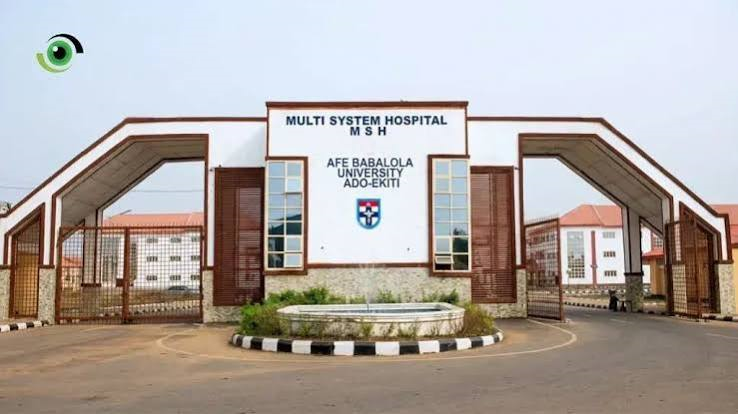
Babalola’s Farmer Support Hits N98m
Legal icon Aare Afe Babalola has disbursed N11.2 million to 81 outstanding farmers across Ekiti State's 16 local government areas, bringing total awards under his annual agricultural scheme since 2015 to N98 million.
 Agriculture
FG Launches African Swine Fever Control Campaign in Southwest
The Federal Government has launched a major African Swine Fever control and biosecurity campaign at the Oke-Aro Pig Farm Estate, distributing protective kits to farmers and pledging comprehensive training to prevent future outbreaks. The intervention by the Livestock Productivity and Resilience Support Project (L-PRES) targets one of Nigeria's largest pig production clusters, which has suffered devastating losses from the highly contagious disease in the past.
 Agriculture
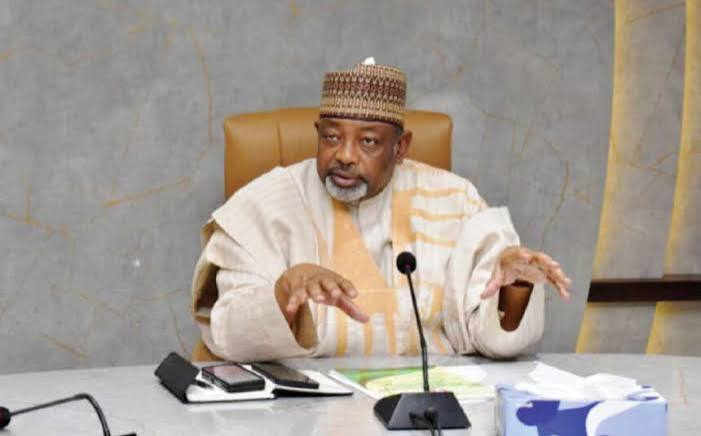
Kyari: More Farmland Won’t Feed 400 Million Nigerians
Agriculture Minister Abubakar Kyari says Nigeria must treat agricultural extension as critical infrastructure, disclosing that over 100,000 farmers already receive weekly digital advisories as the country's population heads toward 400 million by 2050.
 Agriculture
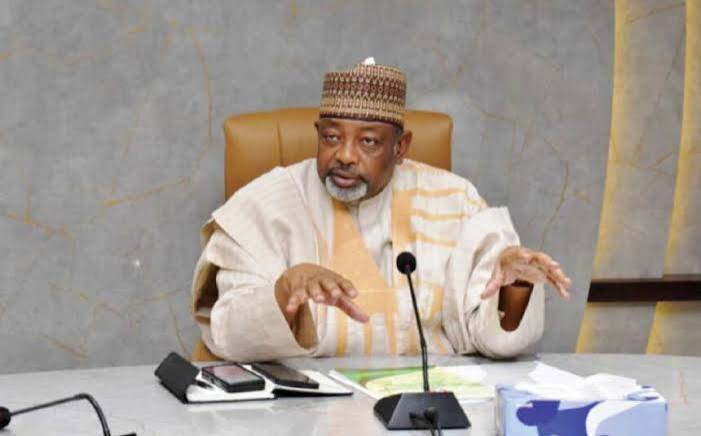
Farmland Expansion Alone Won’t Feed Nigeria
Agriculture Minister Abubakar Kyari says Nigeria must shift to demand-driven, AI-enabled agricultural extension services to boost farm yields, warning that expanding farmland alone can no longer feed the country's growing population.
Comments (0)
Leave a comment
All comments are moderated before publishing. Your email is never published.