
Defensive Wall: NCDC Shuts Down Viral Ebola Rumors, Activates Mandatory Airport and Border Screenings Amid Central African Outbreak
Defensive Wall: NCDC Shuts Down Viral Ebola Rumors, Activates Mandatory Airport and Border Screenings Amid Central African Outbreak
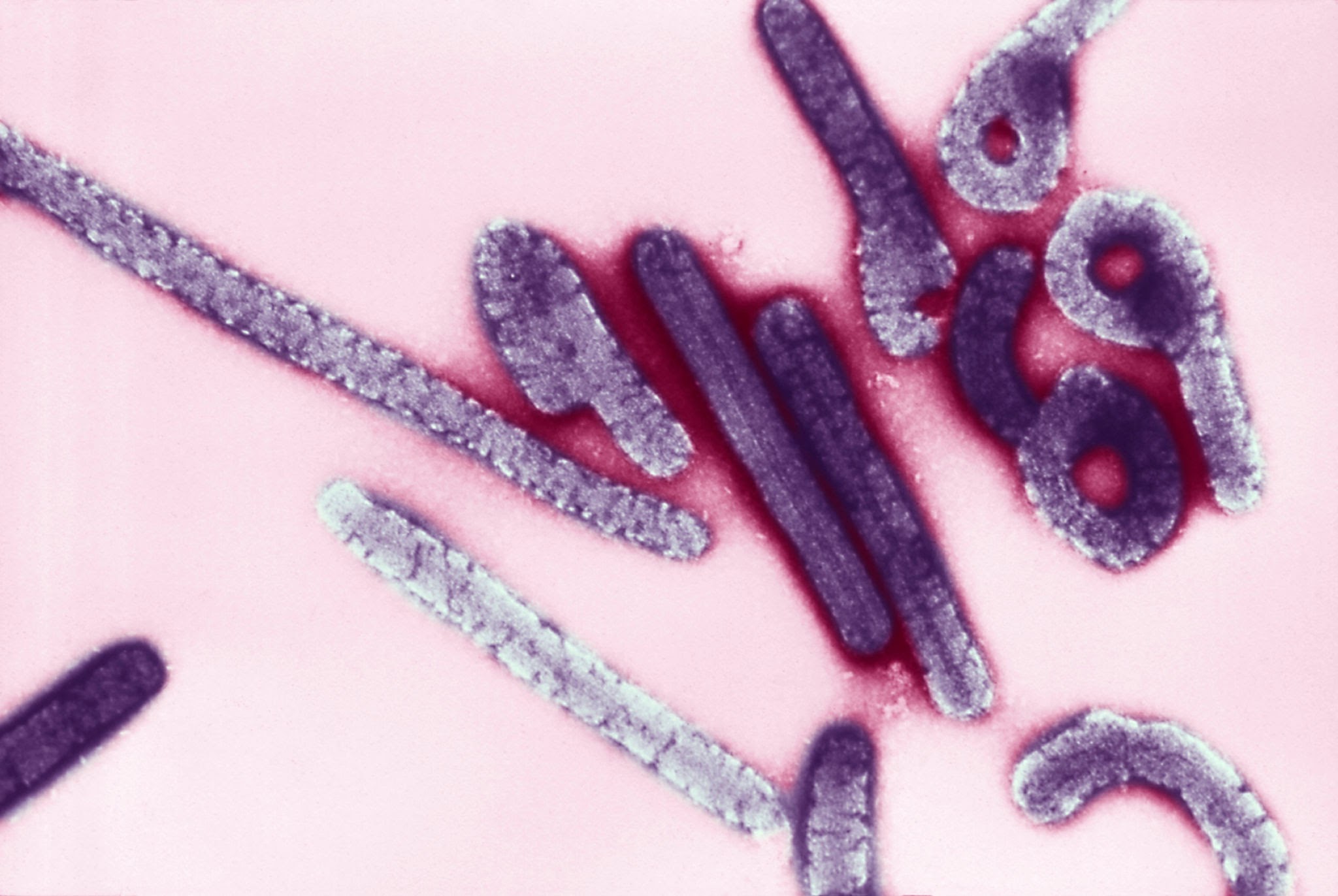
The Nigeria Centre for Disease Control and Prevention (NCDC), in coordination with the Federal Ministry of Health and Social Welfare, has launched an aggressive public health campaign to counter an escalating wave of public anxiety and viral social media rumors. In an official public advisory released from its headquarters in Abuja, the apex health agency firmly reiterated that Nigeria currently maintains zero confirmed or suspected cases of Ebola Virus Disease (EVD).
The emergency intervention follows an official declaration by the World Health Organization (WHO), which designated a rapidly expanding outbreak of a rare Ebola strain in Central Africa as a Public Health Emergency of International Concern. The epidemic—fueled by the Bundibugyo virus variant—has swept through several health zones in the Democratic Republic of the Congo (DRC) and recently crossed international borders into Kampala, Uganda. According to verified international metrics, the regional outbreak has already resulted in 246 suspected infections and at least 139 fatalities.
Unlike the more common Ebola-Zaire strain, which was successfully contained during historic outbreaks, the Bundibugyo variant poses a severe challenge to global virologists. There are currently no approved vaccines or targeted clinical therapeutics available specifically for this variant, forcing global health networks to rely entirely on strict containment and early supportive care. Because of high regional migration patterns and cross-border trade across sub-Saharan routes, the NCDC has moved swiftly to fortify Nigeria's entry networks.
NCDC Director-General Dr. Jide Idris confirmed that the agency has fully activated its event-based surveillance systems and emergency response pipelines. Working in direct partnership with Port Health Services, medical teams have established mandatory health declaration protocols, thermal temperature screenings, and rapid-isolation holding centers across all international airports, land borders, and seaports.
Appearing on national television to reinforce calm, the NCDC’s Head of Health Emergency Preparedness, Dr. Biodun Ogunniyi, urged the public to completely ignore sensationalized internet hoaxes. He reminded citizens of Nigeria's proven medical infrastructure, citing the country's historic 2014 eradication of Ebola in less than 70 days, which earned global commendations.
The NCDC's newly published 'Ebola Virus Disease: Myths vs. Facts' manual completely dismantles dangerous online health myths. The agency warned that home remedies currently trending on platforms like Facebook and WhatsApp—including bathing in saltwater, consuming large amounts of bitter kola, taking local herbal mixtures, or drinking boiled seasoning cubes—possess zero scientific validity and can cause severe internal toxicity.
Furthermore, public health officials corrected a trending misconception conflating Ebola with Hantavirus, clarifying that Hantavirus is a distinct respiratory illness primarily spread by inhaling dust contaminated by rodent waste, whereas Ebola spreads exclusively through direct contact with the bodily fluids of an infected, symptomatic person or dead wildlife.
"Early reporting of unusual symptoms to the nearest certified health facility remains our absolute best line of defense," the NCDC stated. The public is advised to watch for early symptoms, which include sudden high fever, profound physical weakness, muscle pain, severe headache, and sore throat, followed by vomiting, diarrhea, and, in advanced stages, unexplained internal or external bleeding. Healthcare workers nationwide have been formally instructed to maintain a high index of suspicion for patients exhibiting these symptoms, especially those with recent international travel history.
Sponsored

Related stories
 Health
Diri Orders Free Quarterly Health Checks for All Bayelsa Residents at Secondary Facilities
Governor Douye Diri has directed Bayelsa's Ministry of Health to begin free quarterly medical check-ups across all eight local government areas, aimed at helping residents who cannot afford routine screening and promoting early detection of diseases.
 Health
‘Priceless Gift of Sight’ Reaches 400,000 Beneficiaries
FCMB and the Tulsi Chanrai Foundation say their 15-year eye care partnership has reached over 400,000 Nigerians, as a World Sight Day roundtable in Abuja pushes for private-sector funding to sustain and expand care.
 Health
FUNAAB Launches Africa’s First AI Disease Surveillance System
Researchers at the Federal University of Agriculture, Abeokuta, have developed IDS-Master, a groundbreaking AI-powered surveillance system that detects infectious disease outbreaks in real time by analysing reports from community leaders, health agents, and ordinary residents. Described as Africa's first fully AI-driven event-based surveillance platform, the innovation promises to bridge critical gaps in outbreak detection across underserved rural communities where delays in reporting can cost l
 Health
NAFDAC Seeks Global Partners for Local Vaccine Production
The Director-General of the National Agency for Food and Drug Administration and Control (NAFDAC), Prof. Mojisola Adeyeye, has called on international partners to support the establishment of vaccine manufacturing facilities in Nigeria, saying local production is the missing link in the agency’s push to attain World Health Organisation Maturity Level 4 for vaccine lot release. She spoke at the 8th Nigeria Pharma Manufacturers’ Expo in Lagos, where she commended President Bola Tinubu’s Executive
Comments (0)
Leave a comment
All comments are moderated before publishing. Your email is never published.